
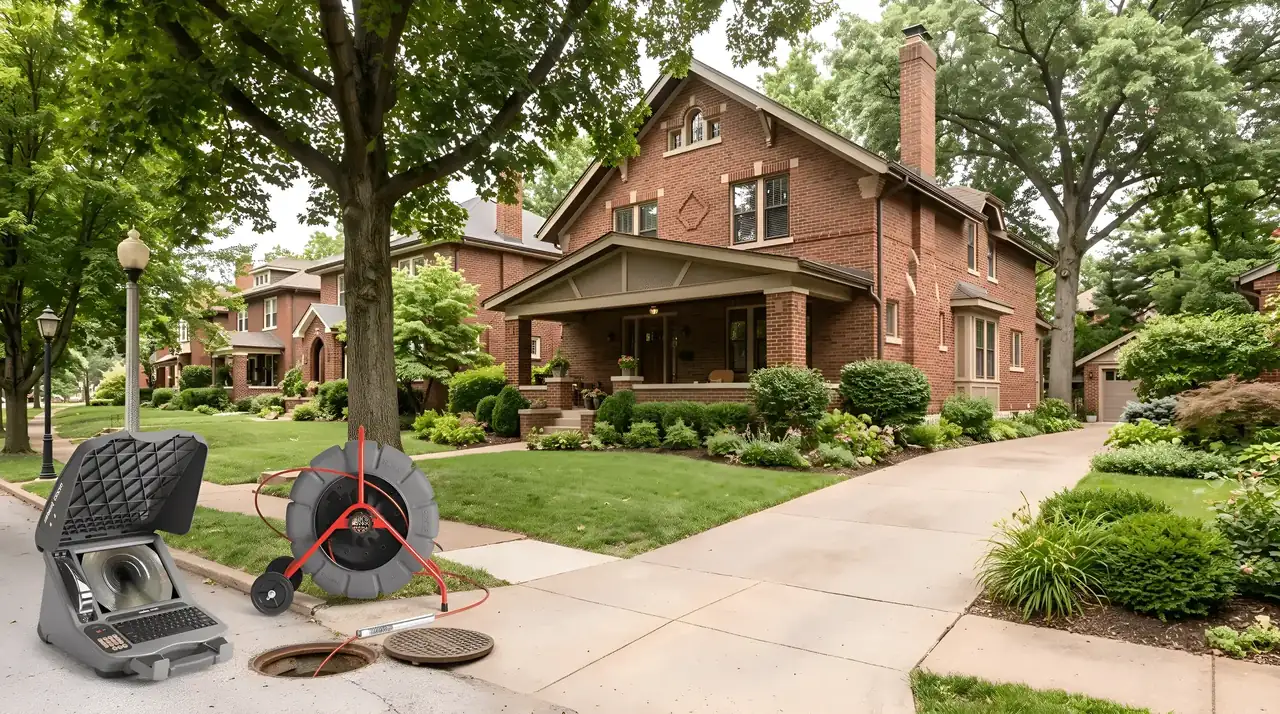
Sewer Inspection & Cleaning in St. Louis City, MO
Independent sewer camera inspection, diagnostics, line locating, hydro jetting and sewer cleaning for St. Louis City properties. Get clear evidence of what is happening inside your sewer line before you make a major decision.
- Camera inspection with documented findings
- Cleaning and hydro jetting when the evidence supports it
- Locally owned and family-operated since 2011
Request a Sewer Inspection
Tell us what is going on. We will follow up during business hours.
Step 1 of 4
What happens next
- Send your request or call us
- We schedule your inspection
- You review the recorded findings
For sewage backing up into your home or any problem with the public sewer, contact MSD first at (314) 768-6260.
Key takeaways
- MSD maintains the public sewer main. The lateral from your building to that main is private property and is normally the owner’s responsibility.
- St. Louis City is mostly served by combined sewers, so heavy rain can affect the public system. Only an inspection shows the condition of your own line.
- A sewer camera inspection gives you recorded evidence before you clean, buy, or approve major work.
Services in St. Louis City
Sewer Inspection, Diagnostics & Cleaning Services in St. Louis City
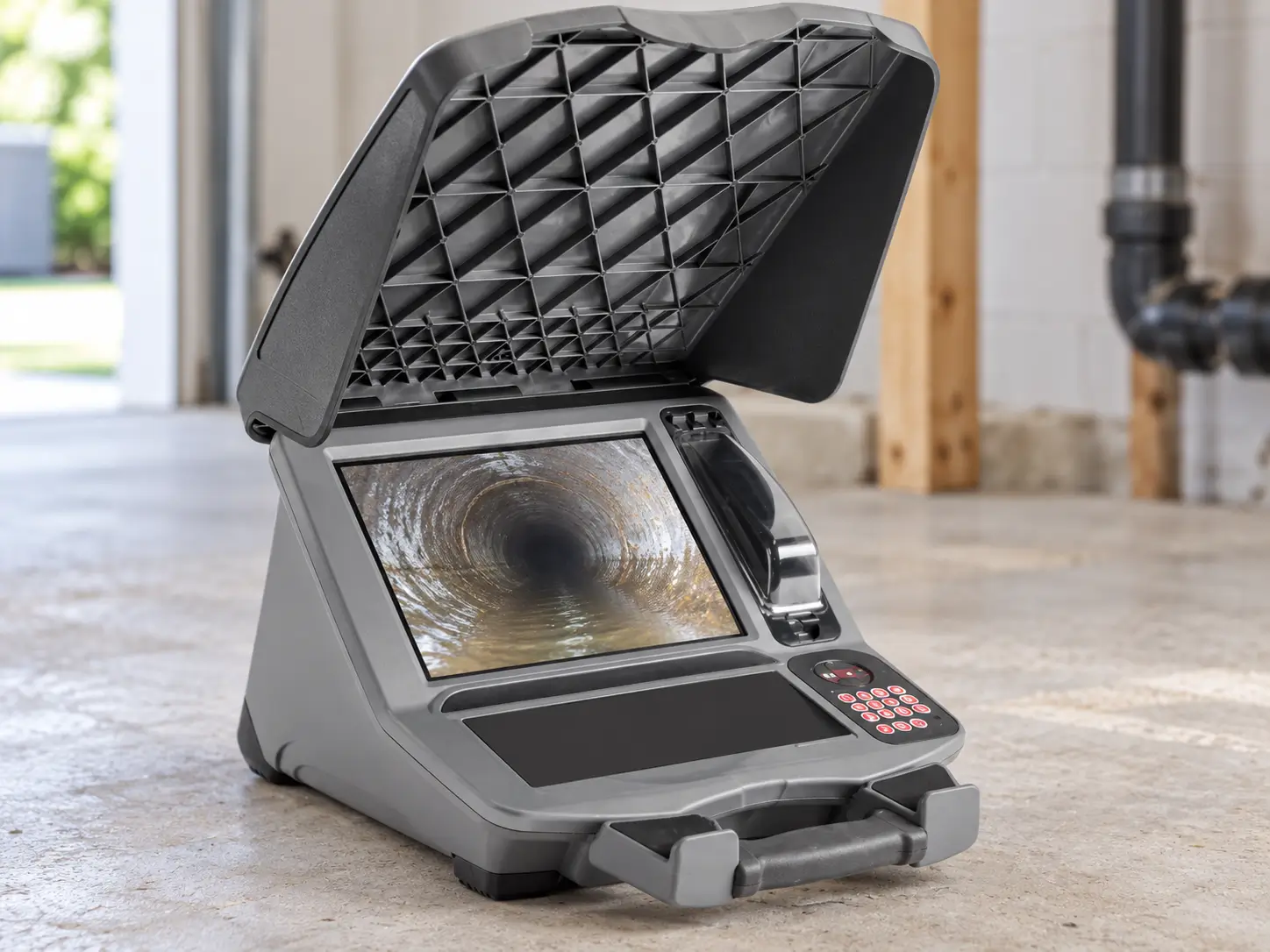
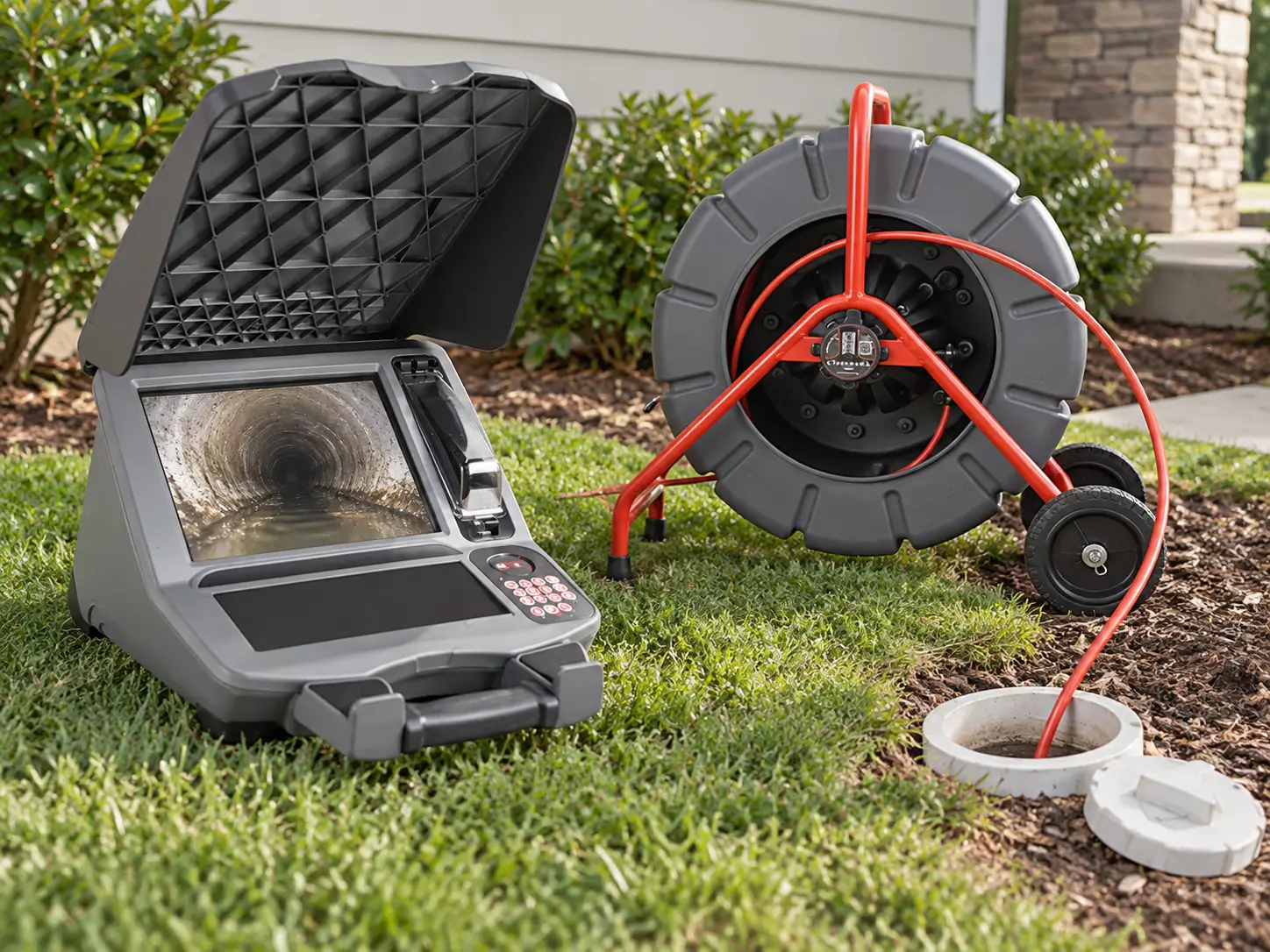
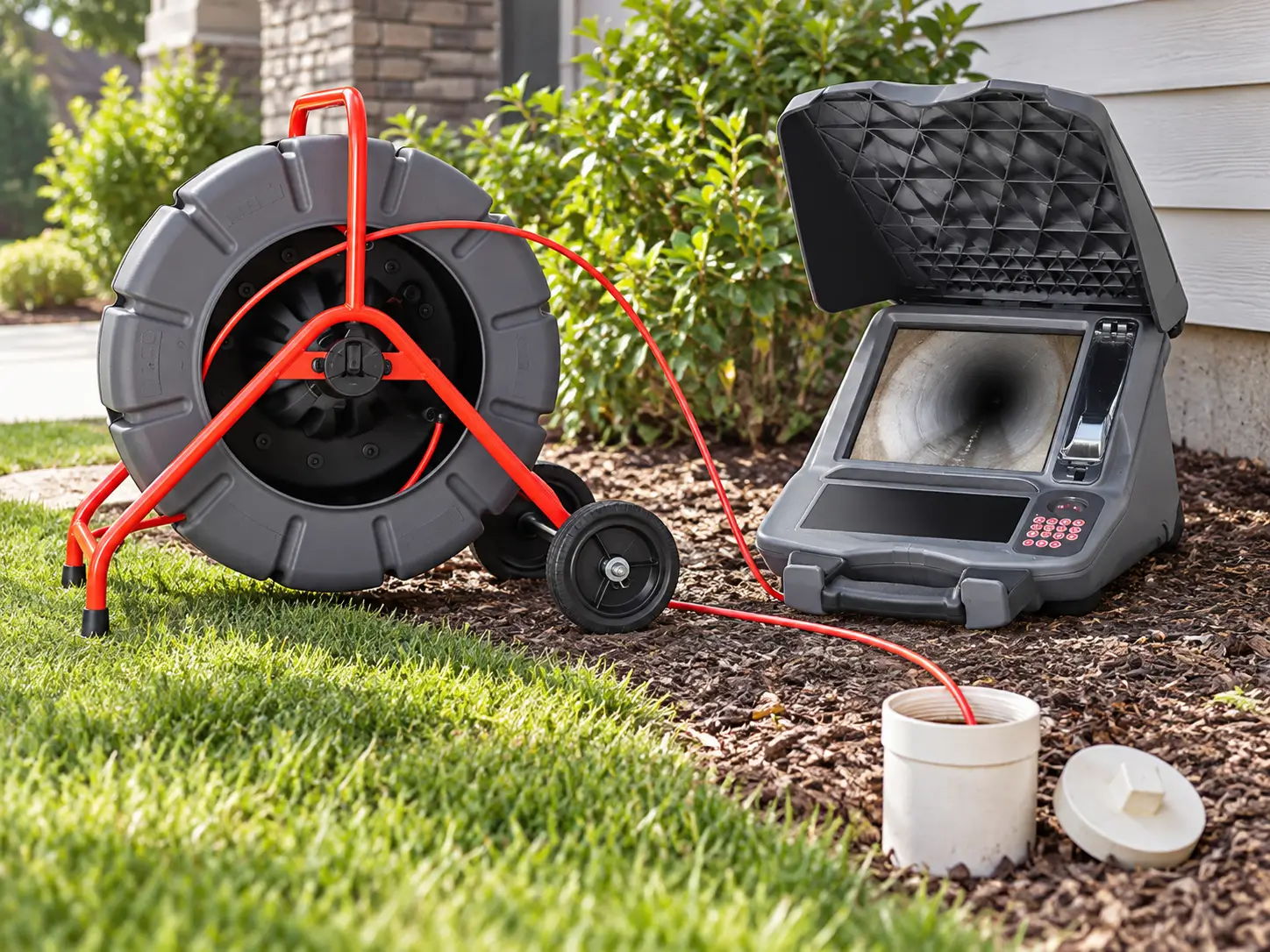
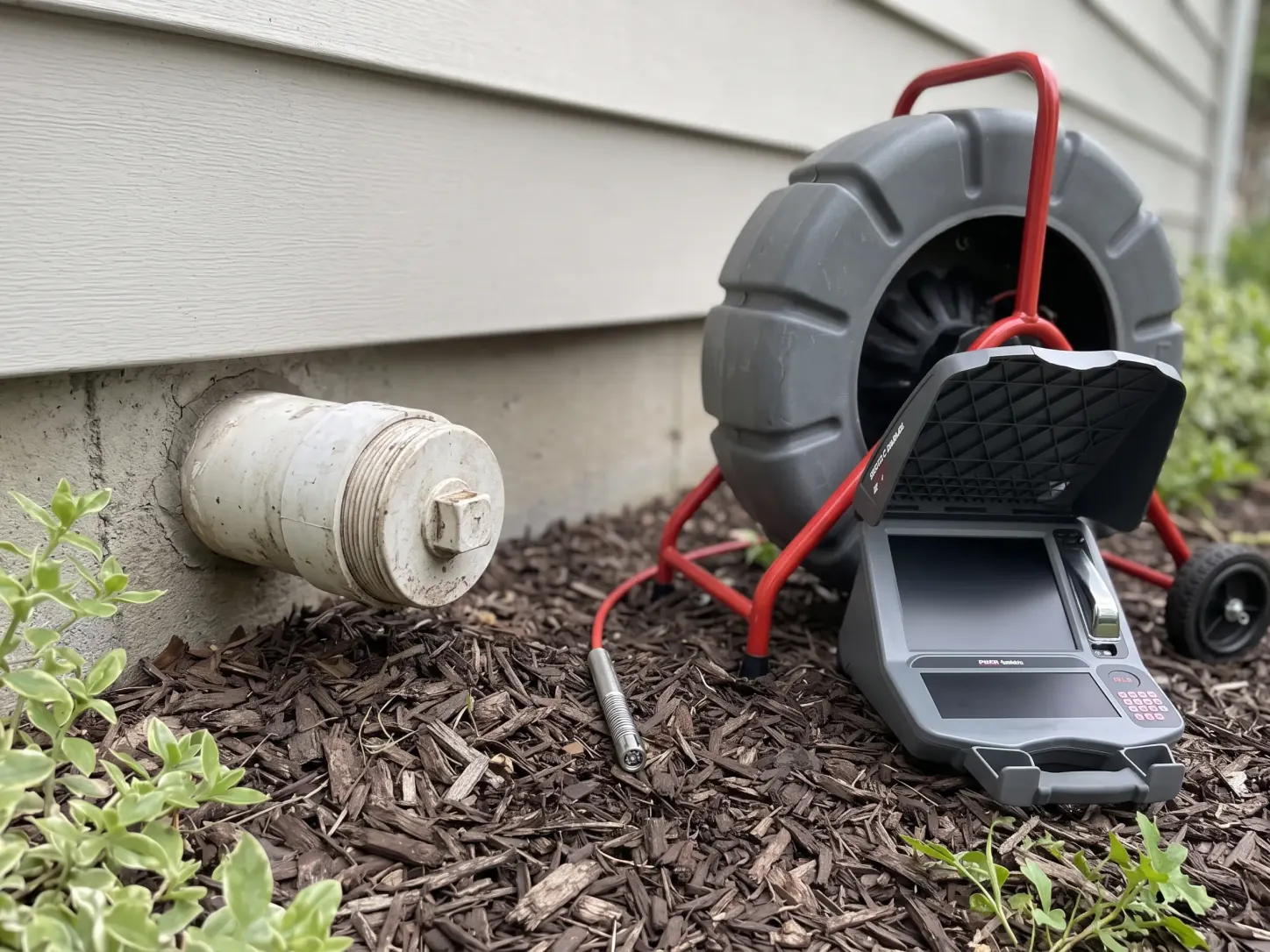
Sewer Camera Inspection
See recorded video of the accessible sewer line. An inspection can help identify observed conditions and support an informed next-step decision.
Best when you want to see what is inside the line.
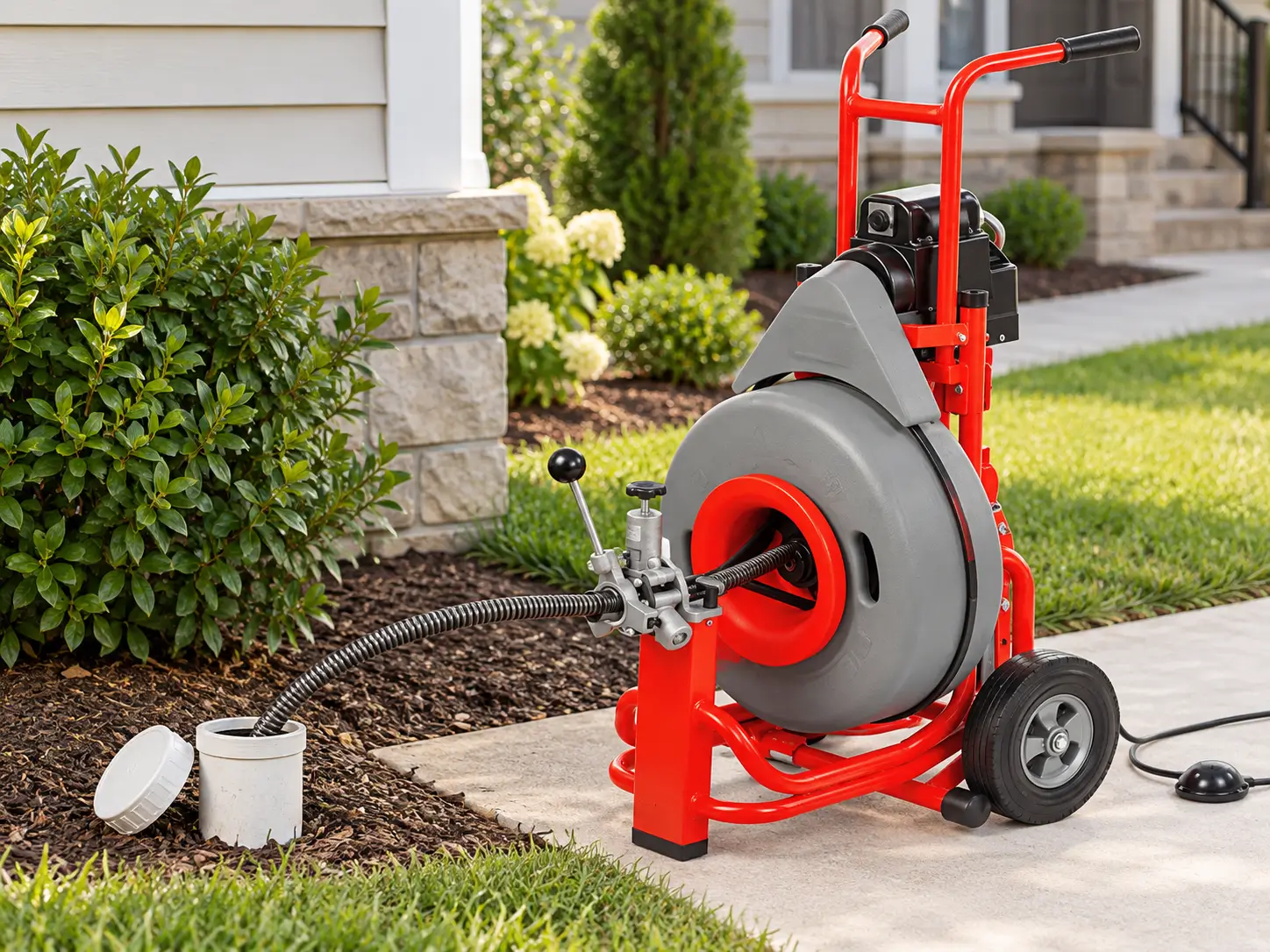
Sewer Cleaning
Remove buildup and obstructions from sewer lines when cleaning is appropriate. A camera inspection can help document line conditions before or after cleaning.
Best when a line is slow or partly blocked.
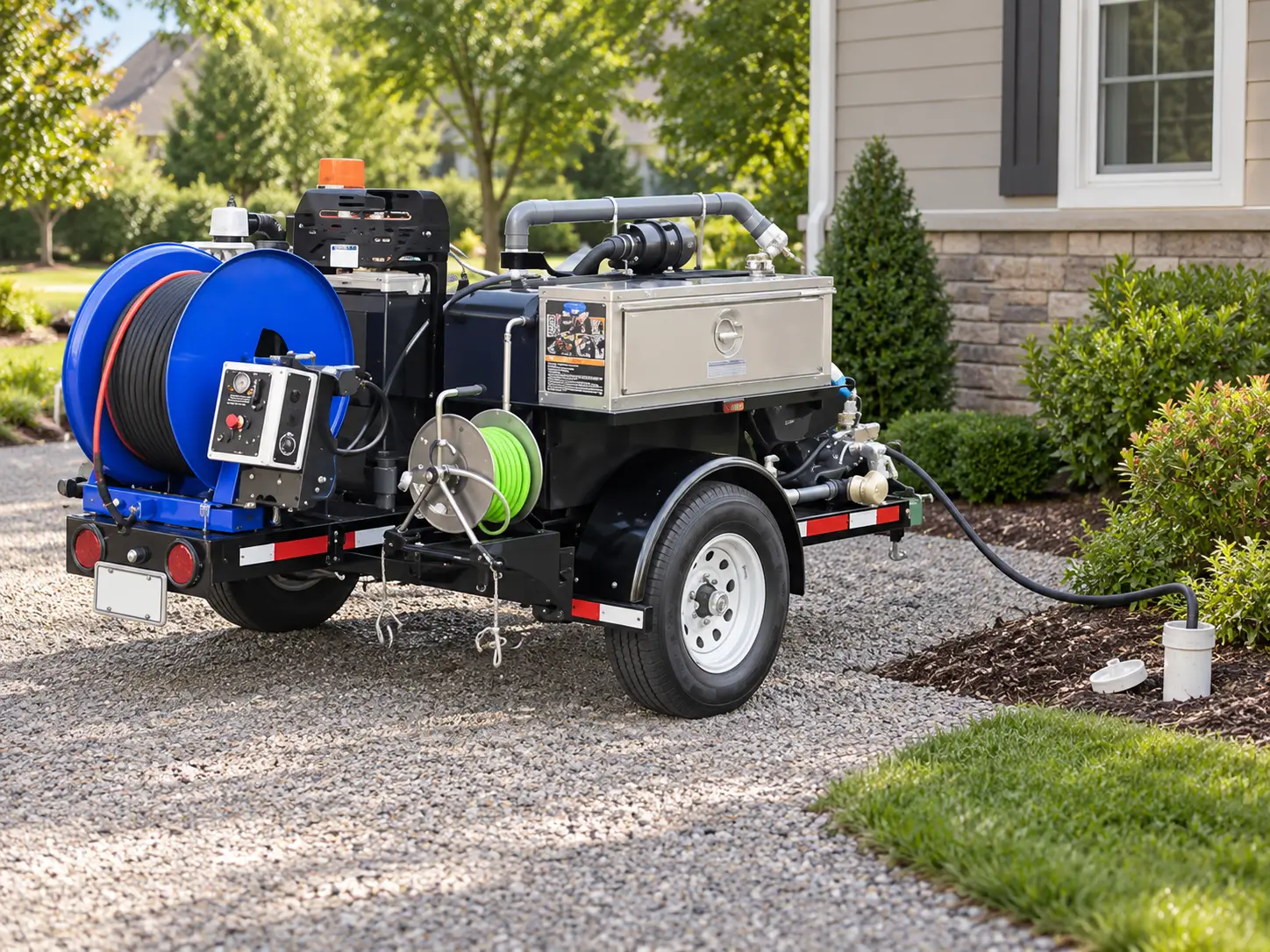
Hydro Jetting
Use high-pressure water to clear eligible sewer lines. Whether jetting is appropriate depends on the line’s observed condition.
Best when buildup keeps returning.
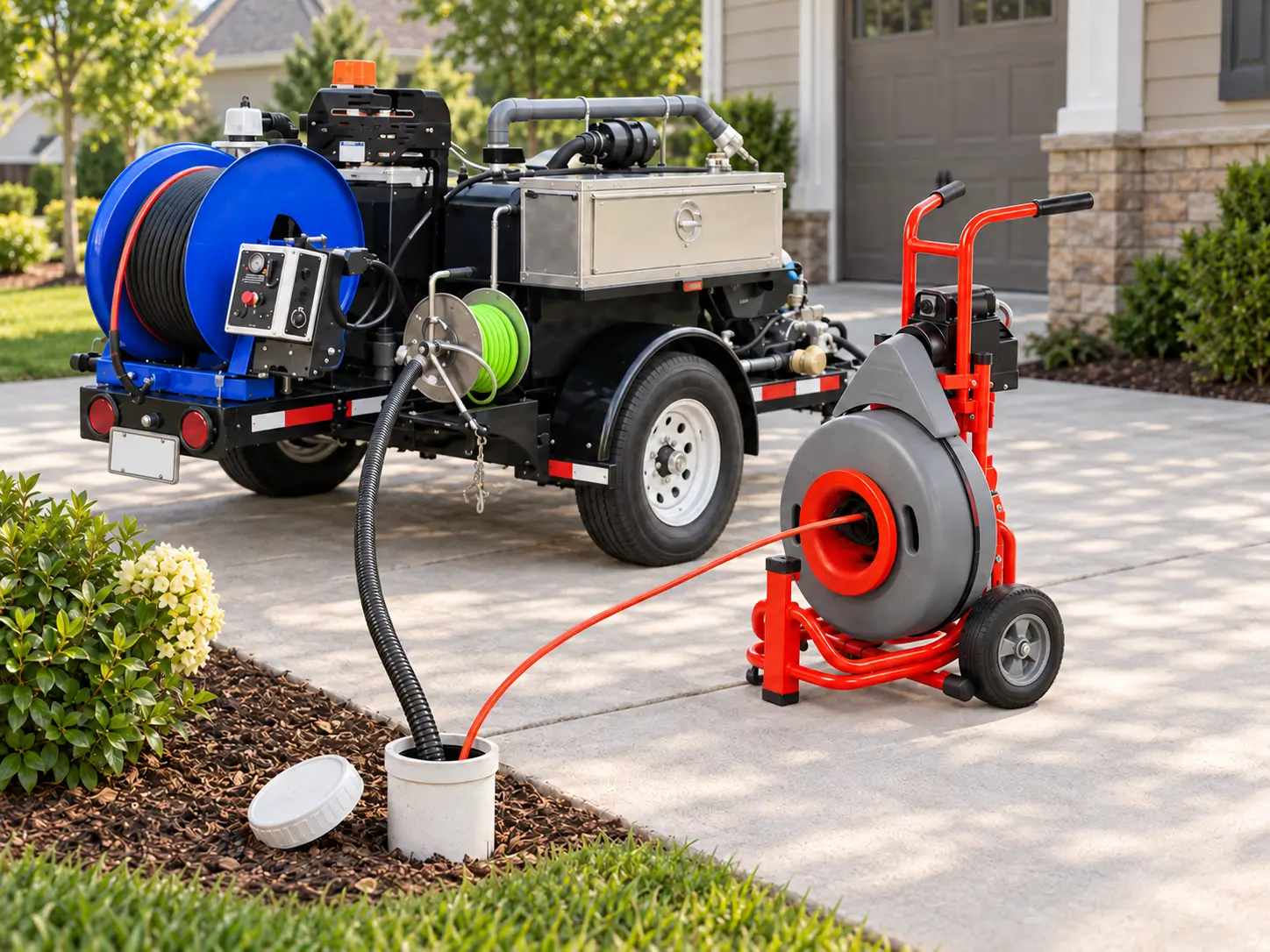
Sewer Cleaning & Camera Inspection
Combine cleaning with visual documentation of the line. See what was observed and whether cleaning changed the conditions visible on camera.
Best when you want proof of what cleaning changed.
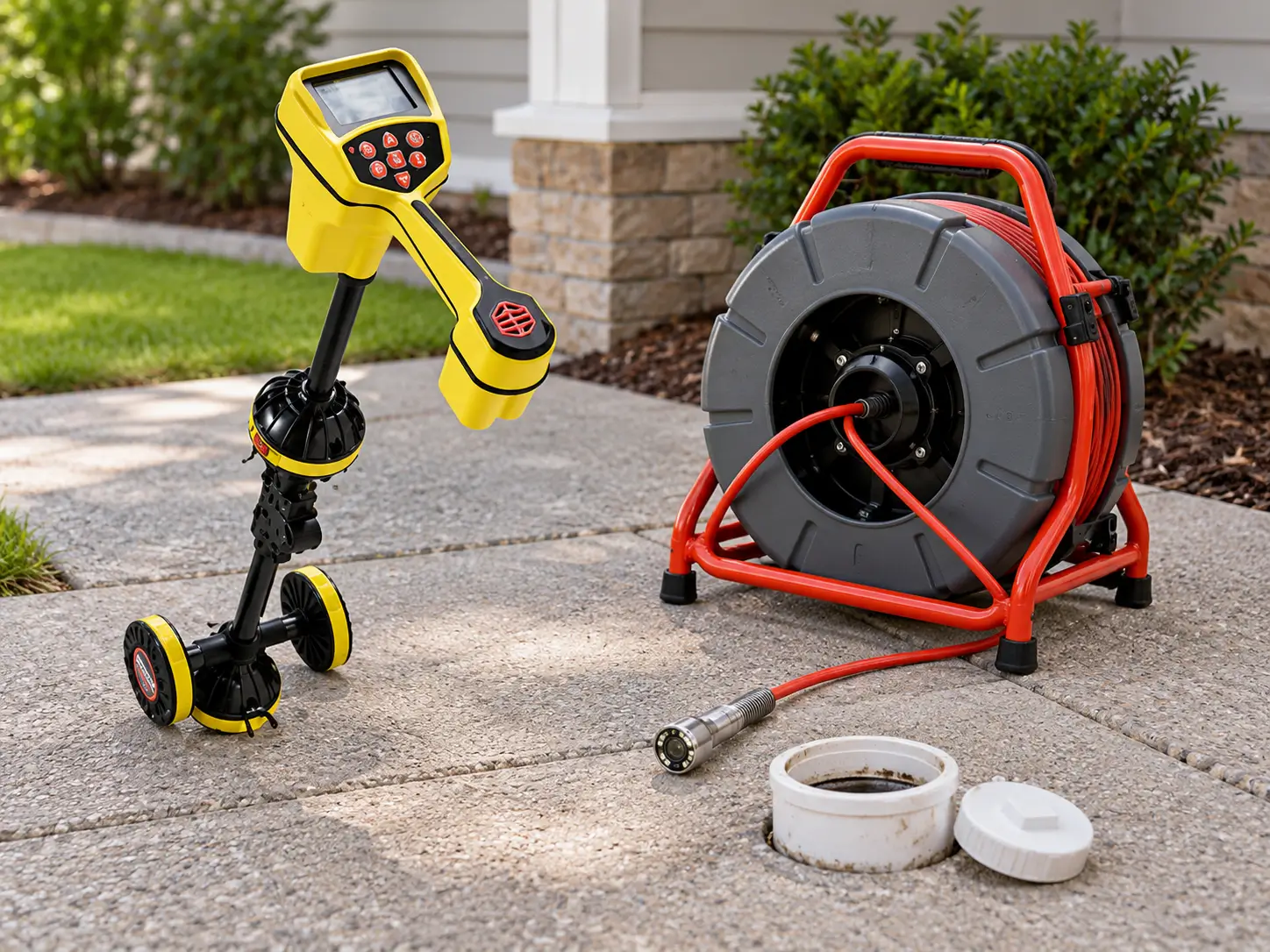
Sewer Line Locating
Help identify the route of an accessible sewer line and locate a specific area when conditions allow. Useful when planning evaluation or work.
Best when you need to know where the line runs.
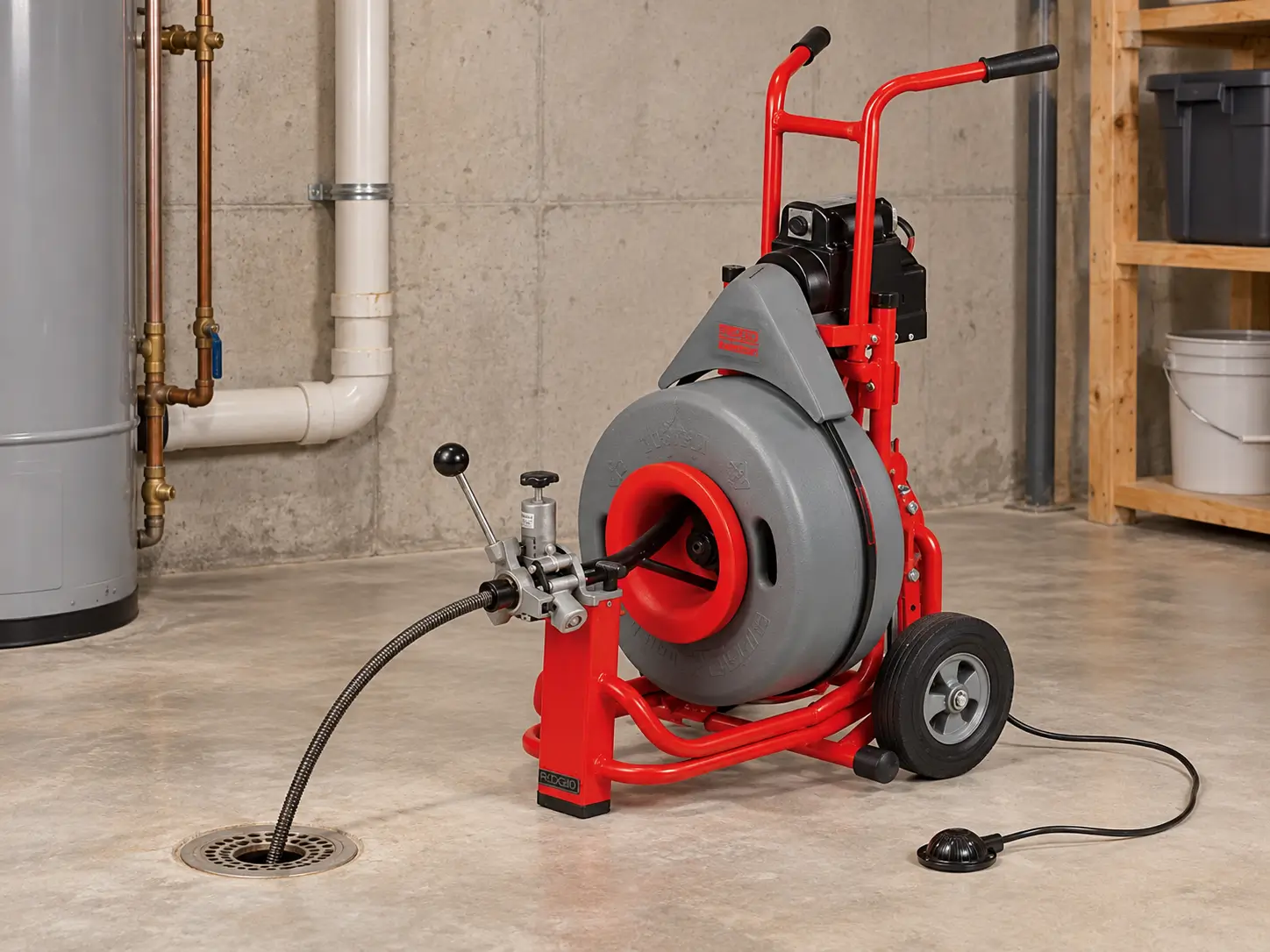
Drain Cleaning
Address buildup or blockages in drain lines, sinks, tubs and fixtures. The service focuses on the affected drain and the reported symptoms.
Best when one sink, tub or fixture is clogged.
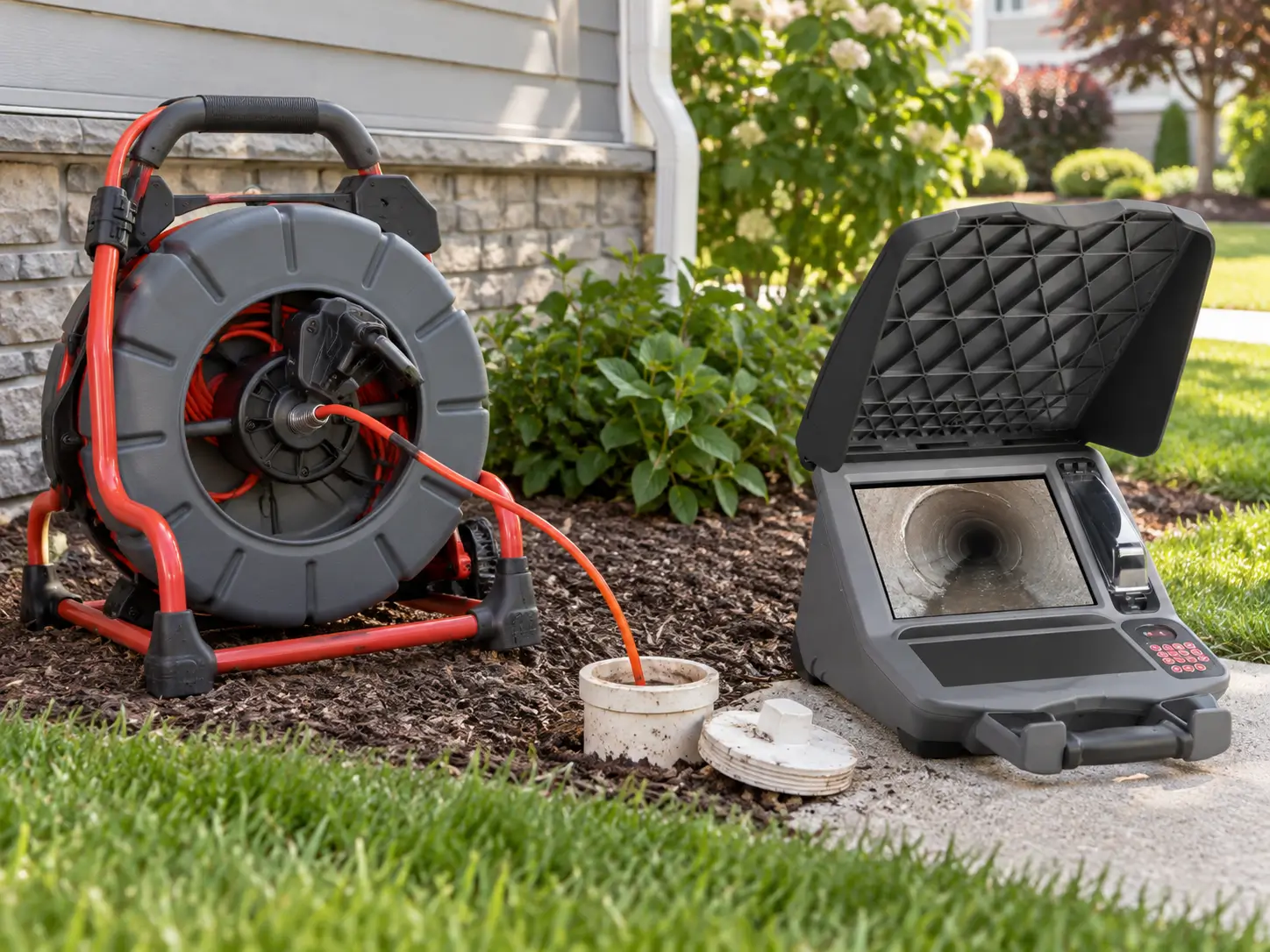
Pre-Purchase Sewer Inspection
Get a visual assessment of accessible portions of the sewer line before buying a property. The findings can help inform your due diligence.
Best when you are buying a home.
Recurring Sewer Backup Diagnosis
Investigate recurring backups and document conditions observed during the inspection. Findings can help clarify what may be contributing to the problem.
Best when backups keep coming back.
Preventative Sewer Maintenance
Arrange sewer inspection or cleaning based on the line’s condition and needs. Recommendations should be guided by observed evidence.
Best when you want to stay ahead of problems.
Not sure which service you need?
Tell us what is happening and we will point you to the right inspection or cleaning.
Who is responsible for what
Who is responsible for the sewer line at a St. Louis City property?
The Metropolitan St. Louis Sewer District (MSD) maintains the public sewer main. The lateral line that connects your building to that main, including its connection, is private property and is normally the owner’s responsibility to maintain and repair, even where it runs under the street or alley.
Public - MSD
The public sewer main
MSD operates the public sewer system serving all of St. Louis City. MSD is an independent regional utility, not a City department. If a backup is caused by the public sewer, MSD makes that repair.
Private - Owner
The lateral line
The pipe from your building to the main is private, including the portion under the public right-of-way. Clogs, roots, grease and damage on it are the property owner’s to address.
Scroll horizontally to see the full table.
| Question | Public sewer main | Private lateral line |
|---|---|---|
| Who owns it | MSD operates the public sewer system | The property owner. The lateral and its connection are private property, including under the street or alley. |
| Who maintains and repairs it | MSD, including repairs when the public sewer caused a backup | The property owner |
| Who to contact first | MSD at (314) 768-6260 for backups, overflows, raw sewage and missing manhole covers | MSD investigates reported backups. If the cause is your lateral, you arrange inspection or cleaning. |
| What help exists | MSD crews for public sewer problems | The City’s Sewer Lateral Repair Program may help eligible residential properties of six or fewer units with severe damage under the right-of-way. It does not cover clogs or roots. |
| Where an inspection helps | Not applicable | A camera inspection documents the line’s condition and where a problem sits. |
This is general information from MSD and City of St. Louis sources, not legal advice. Contact MSD or the City to confirm how it applies to your address.
How the City’s system works
Why St. Louis City sewers behave differently from the rest of the metro
Most of St. Louis City is served by a combined sewer system, where one set of public pipes carries both wastewater and stormwater.
MSD describes the City’s combined sewers as among the oldest in the country, including large brick tunnels beneath historic neighborhoods and downtown. Much of the rest of MSD’s territory, including most of St. Louis County, uses separate wastewater and stormwater pipes.
During intense rain, MSD says combined-sewer capacity can be overwhelmed, which can cause wet-weather backups in basements in affected areas. MSD also notes that many City buildings connect gutters, sump pumps and yard drains to the wastewater sewer, and runs its Get the Rain Out initiative to reroute them.
These are system-level facts. They do not tell you the condition of any individual property’s lateral. Only an inspection of your line can show that.
Home age and your lateral
How the age of a St. Louis City home can affect its sewer lateral
About 58% of St. Louis City’s housing units were built in 1939 or earlier, so some City laterals may be very old. Older laterals were commonly made of materials with known long-term wear patterns.
Lateral pipe materials changed over the decades. The ranges in the table are general industry timelines, not a statement about any specific home, and many laterals have been repaired or replaced since they were first installed.
Only an inspection shows what your line is made of and how it is holding up. Housing-age figure: U.S. Census Bureau, American Community Survey 2019-2023 5-year estimates, as reported by Point2Homes.
Scroll horizontally to see the full table.
| Material | Common era (general) | Typical wear pattern |
|---|---|---|
| Vitrified clay | Roughly 1900s to 1970s | Joint separation, root intrusion |
| Cast iron | Roughly 1900s to 1980 | Internal corrosion and scale that narrows the pipe |
| Orangeburg (bituminized fiber) | Roughly 1945 to the early 1970s | Ovaling or flattening under soil weight |
| PVC / ABS | Standard from the 1970s onward | Rarely material failure; bellies or joint separation from ground movement |
Know who to call
Public problem or private line? Start with the right contact.
If sewage is backing up through a floor drain, you smell sewage outside, you see an overflow or a missing manhole cover, MSD asks you to report it right away. MSD investigates whether the cause is the public sewer or your private lateral.
If MSD or a plumber points to your lateral, or you want proof of its condition, that is where an independent camera inspection helps.
MSD Sewer Repair Services and emergency line
(314) 768-6260Published by MSD for public sewer problems, building backups and overflows. This is MSD’s number, not ours.
The Sewer Pros
Inspection, locating and cleaning for your private lateral. (314) 821-1600, Monday - Friday, 8:00 am - 4:00 pm.
City lateral repair program
Using an inspection with the Sewer Lateral Repair Program
The City program is aimed at severe damage under the public right-of-way, not routine clogs or roots.
Eligibility is limited to residential properties with six or fewer units and fully paid real-estate taxes. The City says back taxes must be paid before a property is eligible.
Replacement of a sewer lateral in the City also requires a plumbing permit and inspection, issued to City-certified licensed plumbing contractors.
Terms shown are from the Street Division’s program page, which is dated 2014. The City says owners of residential property with six or fewer units pay a $28 fee on their real-estate property taxes, which funds repairs under the public right-of-way. Confirm current terms and funding with the Street Division before you apply.
What the City program covers
- Severe lateral damage under the public right-of-way that causes a cave-in or a backup into the home
- Residential properties of six or fewer units with fully paid real-estate taxes
What it does not cover
- Clearing clogs or tree roots on any part of the lateral
- Problems outside the public right-of-way, including breaks under private property
How the City program works, in three steps
Step 1
Report the problem
The City asks residents to report a cave-in in the right-of-way through its street problem service request page.
Step 2
Have the line inspected
The City’s page says to hire a licensed City plumber to inspect the line. An independent inspection from The Sewer Pros is separate from this step.
Step 3
Send the statement and video
Submit the plumber’s statement and video to the Street Department by mail, email or fax. The City’s page lists its mailing address, email address and fax number.
Contact the City of St. Louis Street Division to confirm eligibility and what documentation it requires.
See our sewer lateral inspection & reporting service for the St. Louis area.
Independent sewer inspection & second opinions
Before You Approve an Expensive Sewer Repair, Get an Opinion With Nothing to Sell
A sewer backup or major repair recommendation can make a costly decision feel urgent. The Sewer Pros inspects and documents the condition inside your sewer line so you can understand what is actually happening before you approve cleaning, excavation, lining, or replacement.
Because we do not perform sewer repairs or replacements, we do not profit from selling you the work. Our role is to give you clear video evidence, straightforward findings, and an honest opinion you can use to make the next decision.
Already received a repair recommendation? Bring us in for an independent second opinion before you sign off on major work.
Step 1
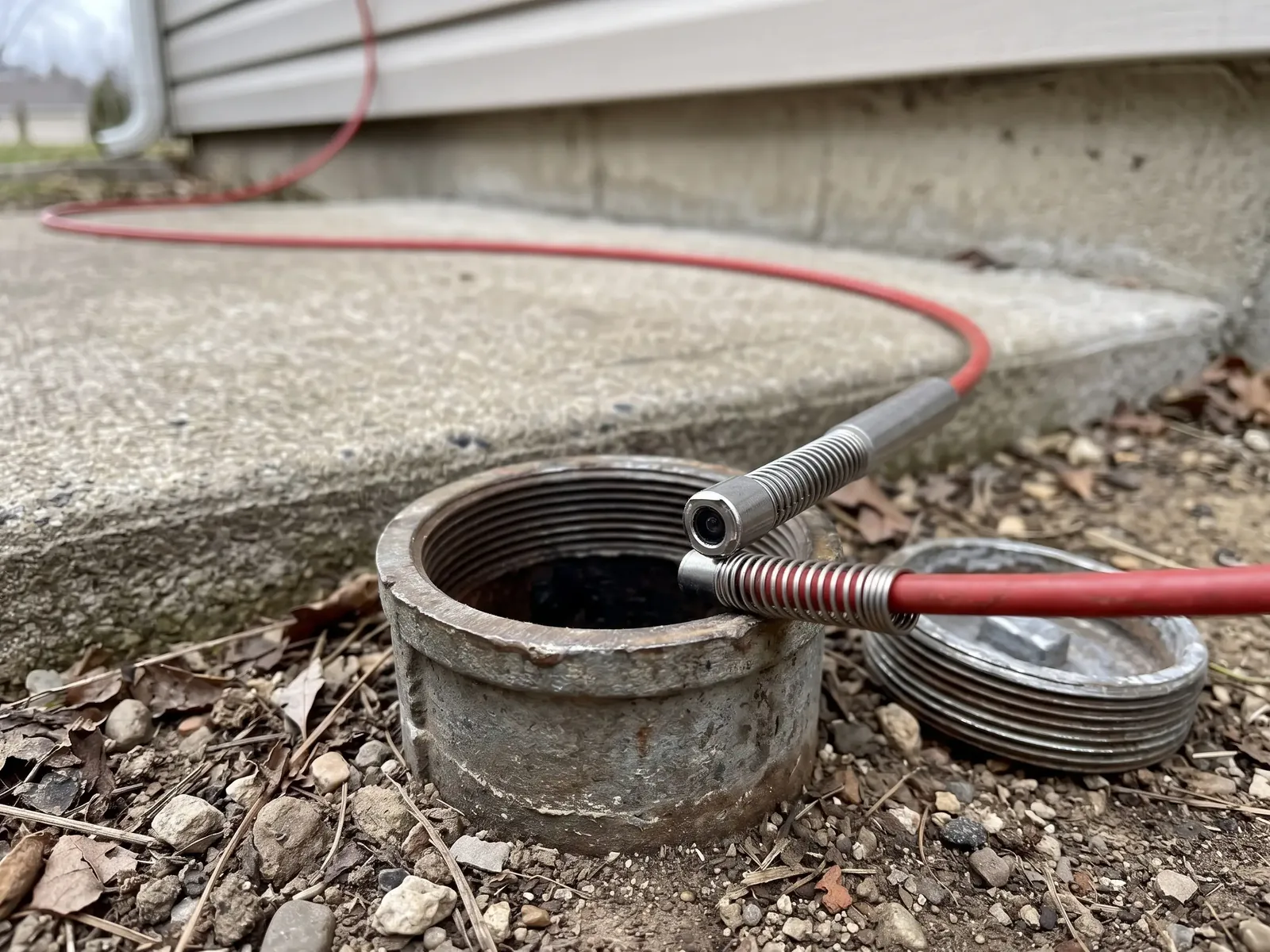
Inspect
We use a sewer camera to examine the line for blockages, roots, damage, offsets, standing water, and other visible conditions.
Step 2
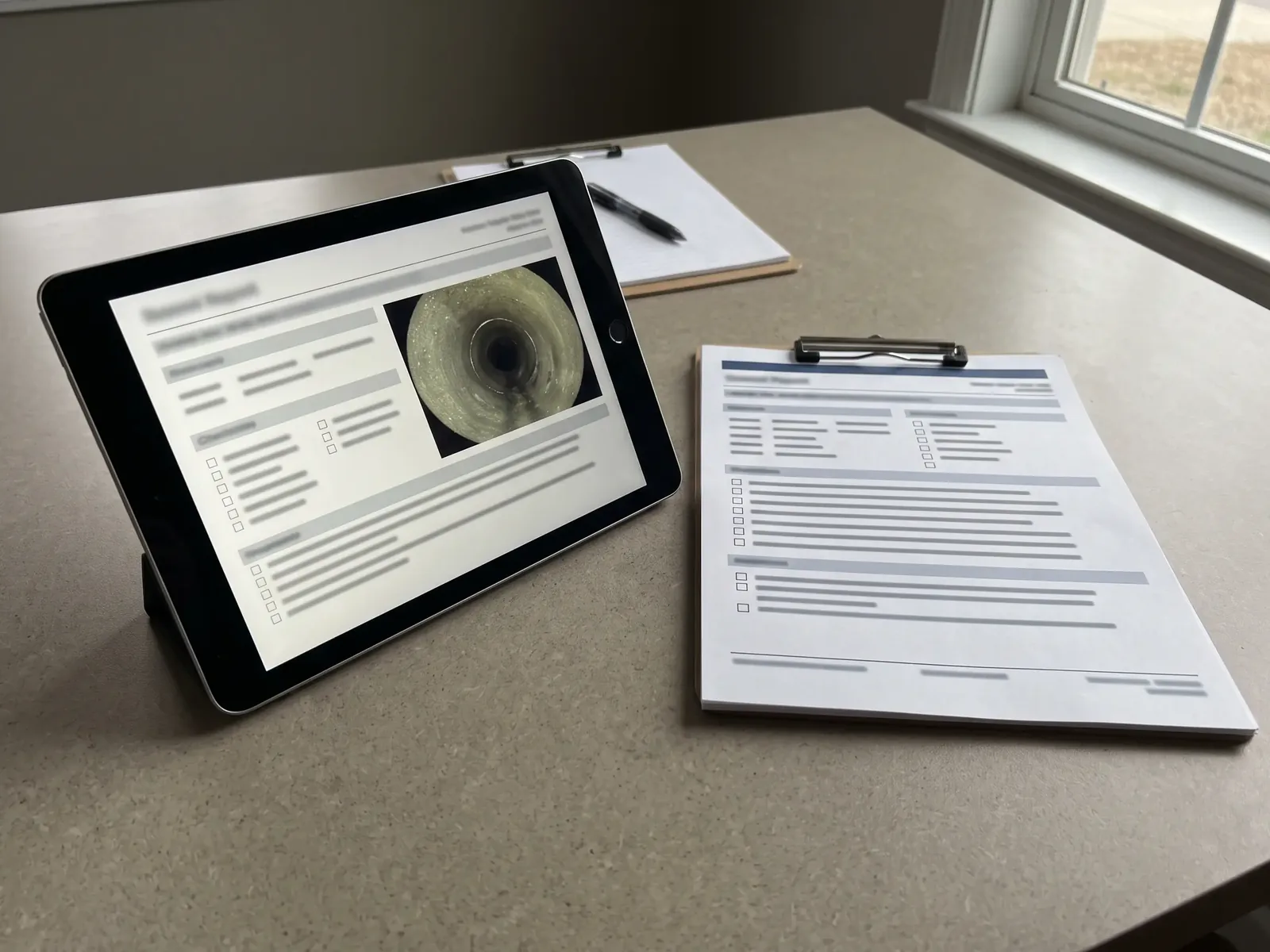
Document
Receive video evidence and clear findings that show what was observed inside the line, so you are not forced to rely only on a verbal repair recommendation.
Step 3
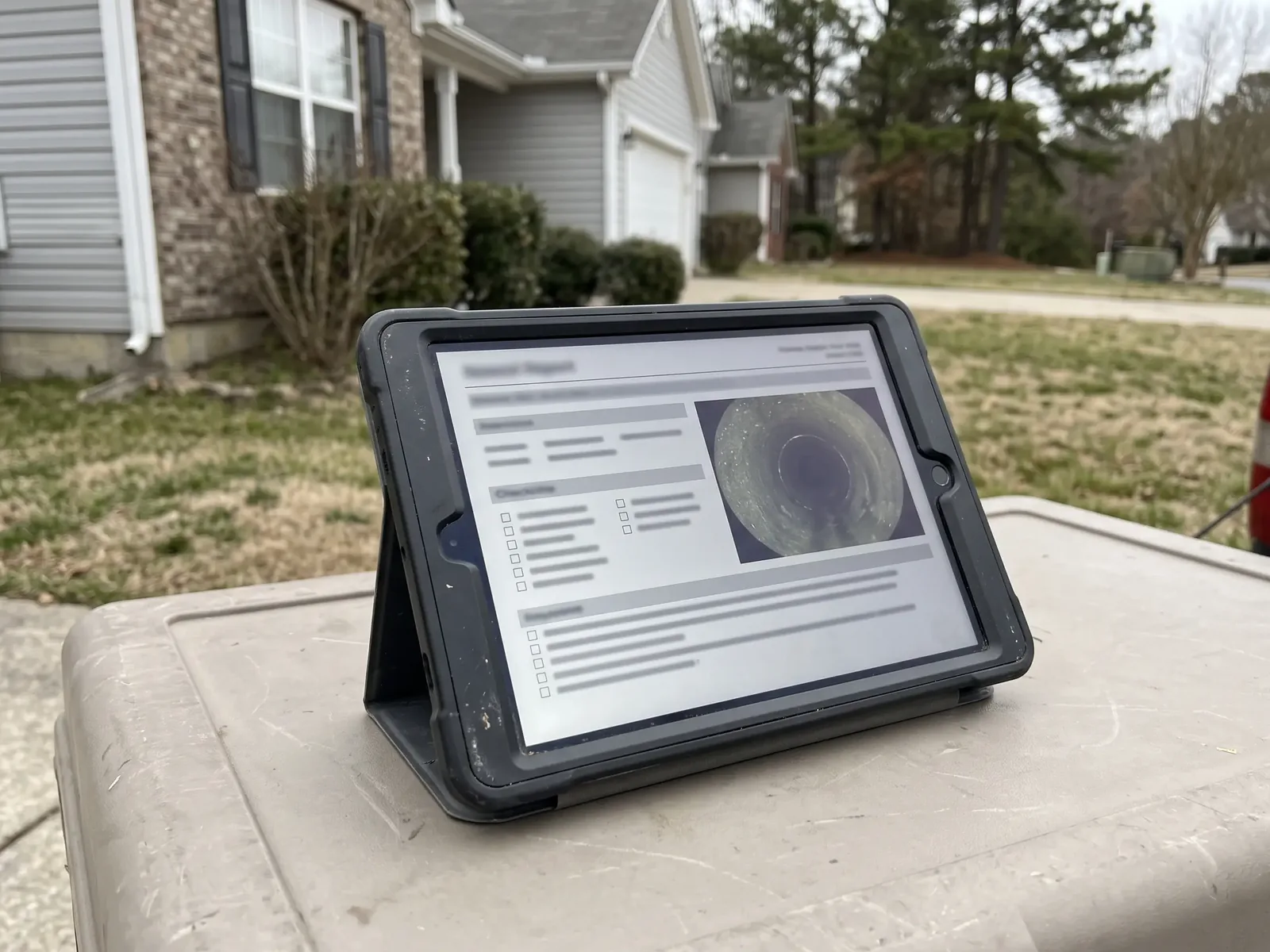
Decide
Use the findings to determine whether the issue calls for cleaning, monitoring, a repair estimate, or another qualified opinion, without pressure to buy a repair from us.
Buying in the City
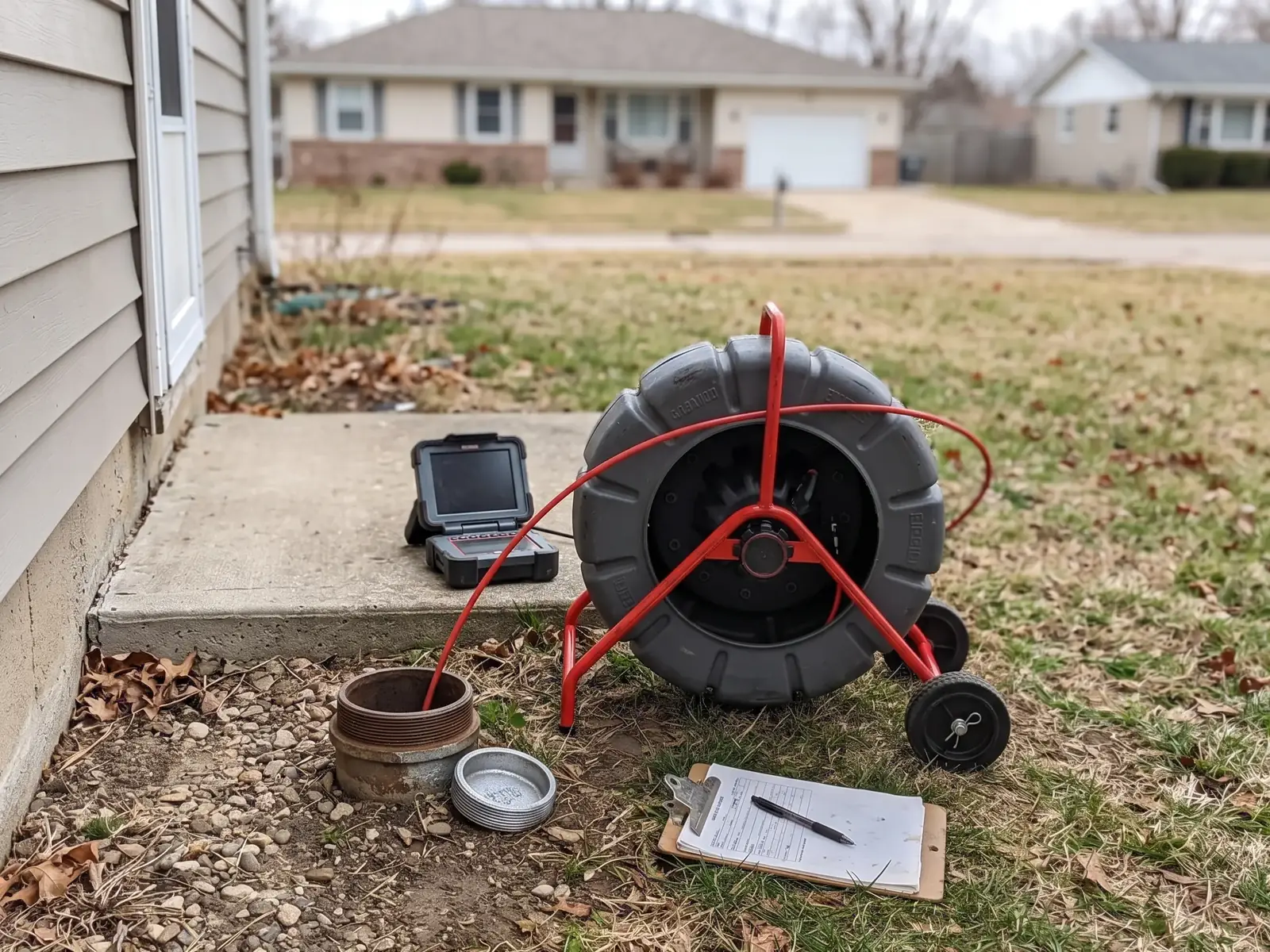
Sewer inspection before buying a St. Louis City home
A sewer camera inspection shows the visible condition of the lateral before you close. Ask your home inspector what their inspection covers. A sewer scope is a separate, focused inspection of the sewer line.
Older City properties are served by older infrastructure, and the lateral is the buyer’s responsibility after closing. Recorded findings give you and your agent something concrete to review during your due diligence period.
For agents and inspectors
Working with real estate professionals
We are affiliated with the St. Louis Association of Realtors, ASHI, the Women’s Council of Realtors and St. Charles Realtors. We provide video when a camera is used, and written findings. Findings are informational and not legal advice.
Nearby service areas
Serving the wider St. Louis area
Sewer rules differ across the St. Louis area. The City is mostly combined sewers, much of St. Louis County has separate wastewater and stormwater pipes, and many municipalities run their own lateral repair programs, so terms and costs change from place to place.
What our customers say
4.9 out of 5from 595 Google reviews · as of
Common questions
St. Louis City sewer questions, answered
Who is responsible for a sewer blockage on private property in St. Louis?
MSD states that property owners are responsible for maintaining and repairing their lateral line. MSD identifies a blockage in the private lateral as a common cause of sewer backup and says private lateral issues are not MSD issues.
Does MSD fix the sewer line between my house and the street?
No. MSD maintains the public main. The lateral from your building to the main, including its connection, is private property and is normally the owner’s responsibility. MSD repairs the public sewer if it caused a backup.
What does a sewer camera inspection show?
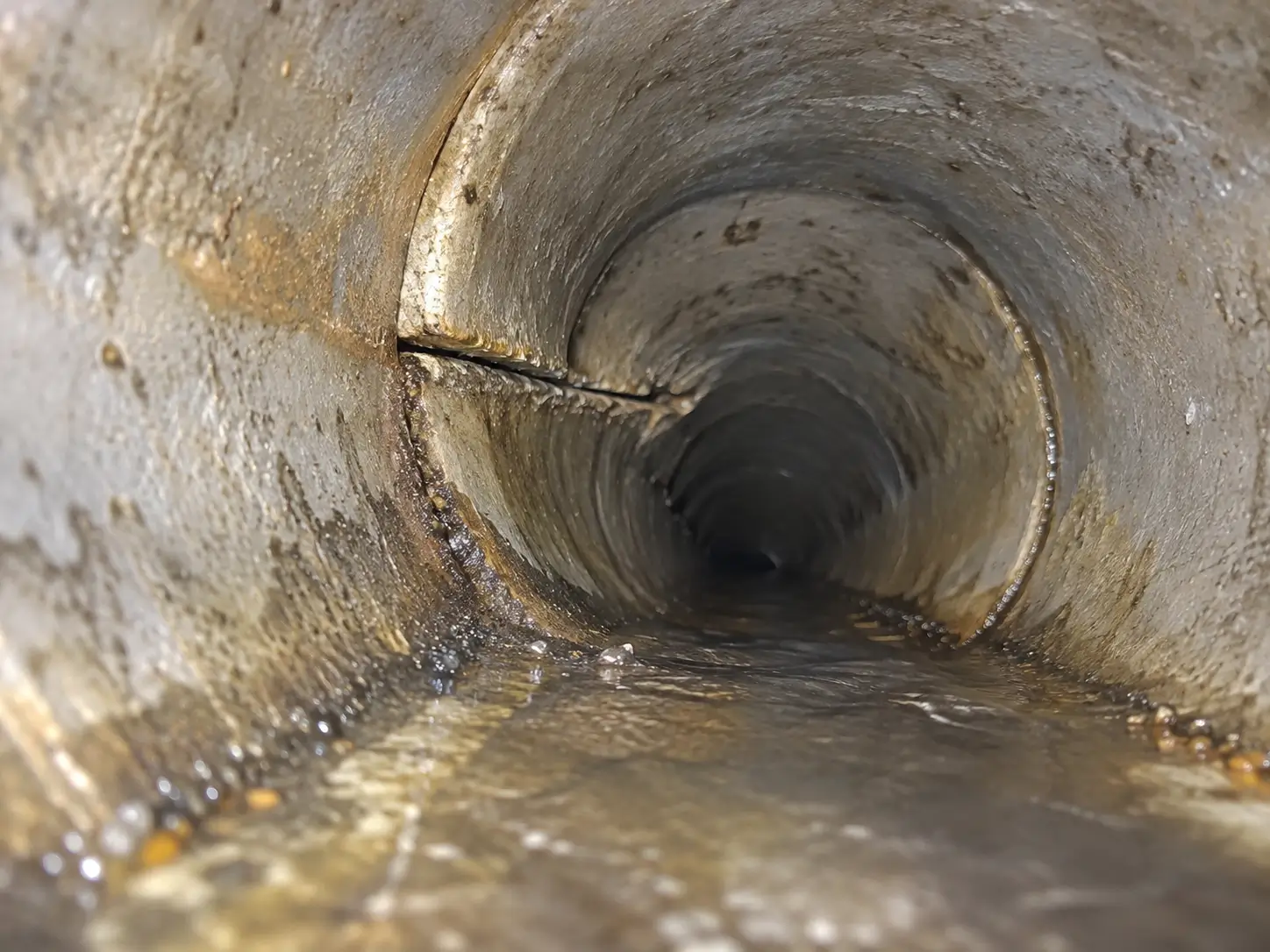
It can reveal blockages, root intrusion, separated joints, offsets, cracks, standing water and other observable conditions in accessible sewer piping, recorded on video.
Can a sewer line be cleaned instead of replaced?
Often, when the problem is roots, grease or debris and the pipe is structurally sound. A camera inspection shows which situation you have, so cleaning or hydro jetting is chosen on evidence rather than assumption.
Should I inspect the sewer before buying a house in St. Louis City?
It is a smart step for most purchases, especially older homes. The lateral becomes your responsibility at closing, and an inspection documents its condition first.
What are possible signs of a blocked or damaged private lateral?
MSD lists slow drains, water pooling around basement floor drains, sewage odor inside or outside the building, wastewater leaking from a cleanout, and wet ground in the yard. A camera inspection can document what is actually happening inside the line.
Why can heavy rain contribute to sewer backups in St. Louis City?
MSD says the City is largely served by combined sewers, which carry stormwater and wastewater in the same public pipes. Excess stormwater can overload the system and contribute to basement backups. This is a system-level explanation, not a finding about any one property.
Does the City repair every private lateral under a street or alley?
No. The City states the entire lateral from a home to the MSD main is private property. Its Sewer Lateral Repair Program may assist eligible residential properties of six or fewer units when qualifying severe damage is beneath the public right-of-way, but it does not cover every lateral condition, and the City states it does not cover clearing clogs or tree roots anywhere on the lateral.
How does a St. Louis City owner apply for the Sewer Lateral Repair Program?
The City’s program page says to report a cave-in in the right-of-way through its street problem service request page, hire a licensed City plumber to inspect the line, and send the plumber’s statement and video to the Street Department by mail, email or fax. The program covers only qualifying damage under the public right-of-way, and the City decides eligibility.
Do you repair or replace sewer lines?
No. We inspect, locate, diagnose and clean. That independence is the point: our recommendations are not built around selling a repair.
Evidence before expensive decisions
Schedule a sewer camera inspection in St. Louis City.
Schedule a camera inspection when you are dealing with recurring backups, slow drains, unexplained blockages, or a St. Louis City property you plan to buy. You get video evidence of visible conditions inside the accessible line.
We document what the camera shows and explain the findings in plain language, so you can decide whether the evidence points to cleaning, monitoring, or further evaluation.
- See the visible condition of the line on video
- Receive documented findings you can review
- Choose your next step without a repair sale
Request service
Step 1 of 4
Sources
- MSD Project Clear: Lateral line (last modified August 19, 2025)
- MSD Project Clear: Report an issue (last modified August 19, 2025)
- MSD Project Clear: Building backup (last modified August 19, 2025)
- MSD Project Clear: How our sewer system works (last modified August 19, 2025)
- MSD Project Clear: Service area (last modified February 10, 2020)
- U.S. Census Bureau: American Community Survey 2019-2023 5-year estimates (City housing age, as republished by Point2Homes; primary table check pending)
- City of St. Louis Street Division: Sewer Lateral Repair Program (page created April 3, 2014)
- City of St. Louis Building Division: Plumbing permits (created March 3, 2026; updated March 20, 2026)
Last reviewed: October 3, 2026. Official guidance can change, so confirm details with MSD or the City for your address.