
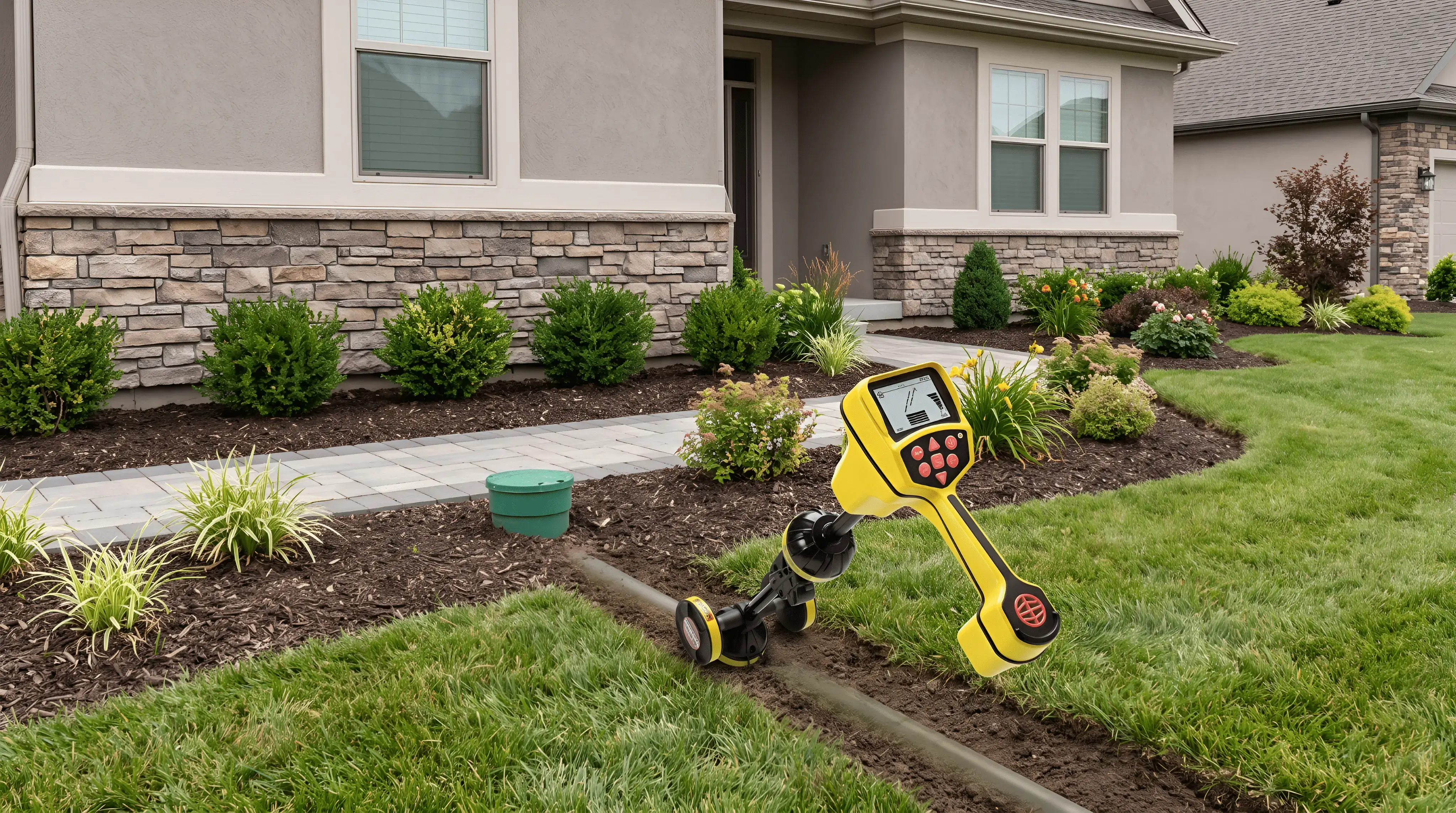
Locate
We estimate where an accessible line runs, within what the equipment can trace.
Residential sewer line locating
Sewer line locating estimates where an accessible underground sewer line runs, so you can plan work around it. A technician uses compatible locating equipment to trace the line from the surface and estimate its path.
We provide cleaning, camera diagnostics, and line locating only. We do not provide sewer repair, replacement, lining, excavation, or pipe installation.
Service
Sewer Line Locating
Tell us what you are planning near the line. We will help you choose between locating, a camera inspection, or both.
Step 1 of 4
The short answer
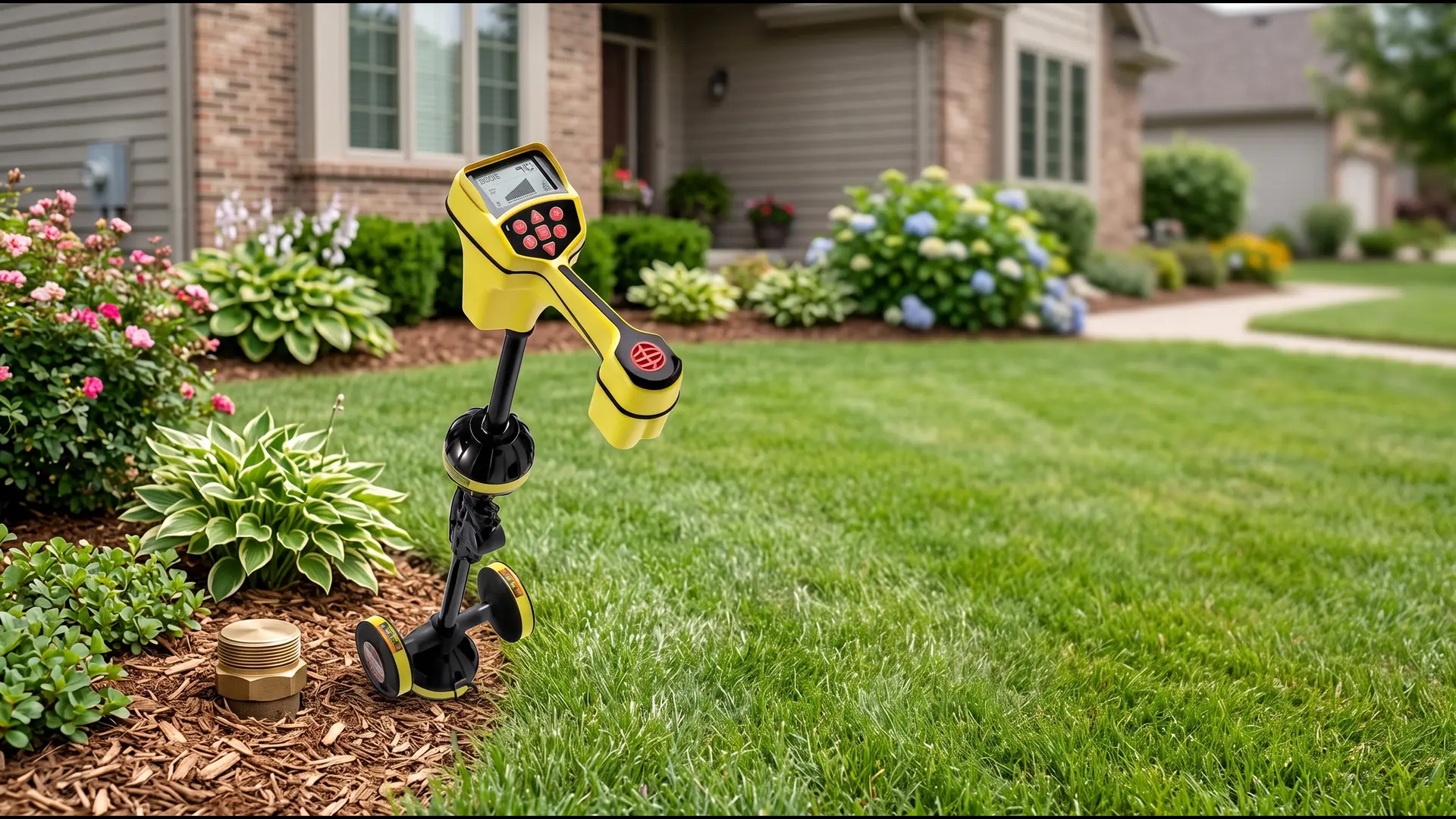
Sewer line locating uses a transmitter inside the line and a receiver at the surface to estimate where an underground sewer line runs. A common setup is a camera with a built-in sonde, a transmitter near the camera head that a compatible receiver can detect from above ground. Depth readings are approximate.
Knowing the approximate route can help you plan landscaping, fencing, or other property work near the line. Locating shows where a line runs. A sewer camera inspection shows what is inside it. They answer different questions and can be useful together. This page covers accessible private-property sewer lines, not public sewer mains.
This service is designed for accessible residential sewer and drain lines. Equipment selection and available service depend on the entry point, pipe size, line condition, and scope of work. We provide cleaning, camera diagnostics, and line locating only. We do not provide sewer repair, replacement, lining, excavation, or pipe installation.
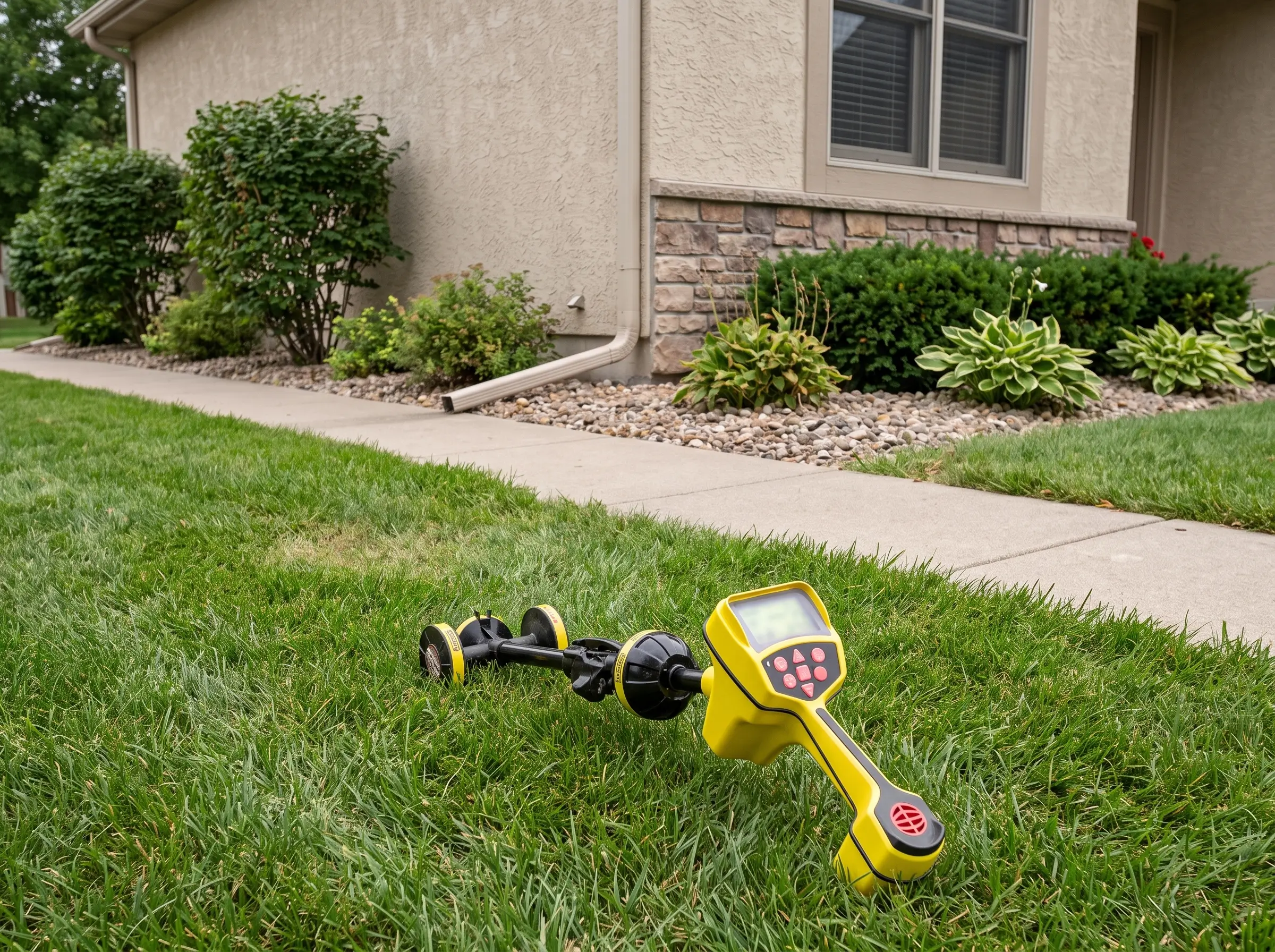
Why people ask
The approximate path of a private sewer line can help you coordinate site planning before anyone digs nearby. It does not replace required utility marking, permits, or planning by the people doing the work.
An approximate route can help you plan where to put work that involves digging. Results depend on access and site conditions.
Approximate route information may help you describe where the line runs to whoever is doing work on your property.
Knowing where the line runs can help when you are weighing what could be built or changed on a property. It does not show the condition of the line.
When a camera inspection shows a visible condition, locating may help estimate where that point sits at the surface, when the equipment supports it.
These are reasons people ask about locating. They do not mean locating is always needed. If you also need to know what condition the line is in, a sewer camera inspection is the better starting point.
Evidence and its limits
A locate is an estimate for planning. Accuracy varies with the pipe, the signal, the surrounding materials, and the site, and manufacturer specifications vary by model.
An estimate, within what the equipment can trace
Where a locate stops
A mark or measurement is an estimate. Before anyone digs, contact your state one-call program (often reached at 811) or your local utility and follow applicable requirements.
What happens on the day
The steps below describe a typical visit. What yours includes depends on the line, the entry point, and the scope of work.
The technician identifies an accessible entry point, commonly a cleanout.
Compatible locating equipment is matched to the line, the entry point, and the pipe. What can be used depends on the line. Our equipment includes the SeekTech SR-20.
The camera and sonde are advanced through the line in stages, as far as the line allows. Where the camera cannot pass, that part of the line is not traced.
At each stop, a receiver at the surface picks up the sonde's signal to estimate the position of that point and its approximate depth. Repeated points show the observed route of the part of the line that could be traced.
Ask what is recorded, including any marks or notes, and ask what could not be traced and why.
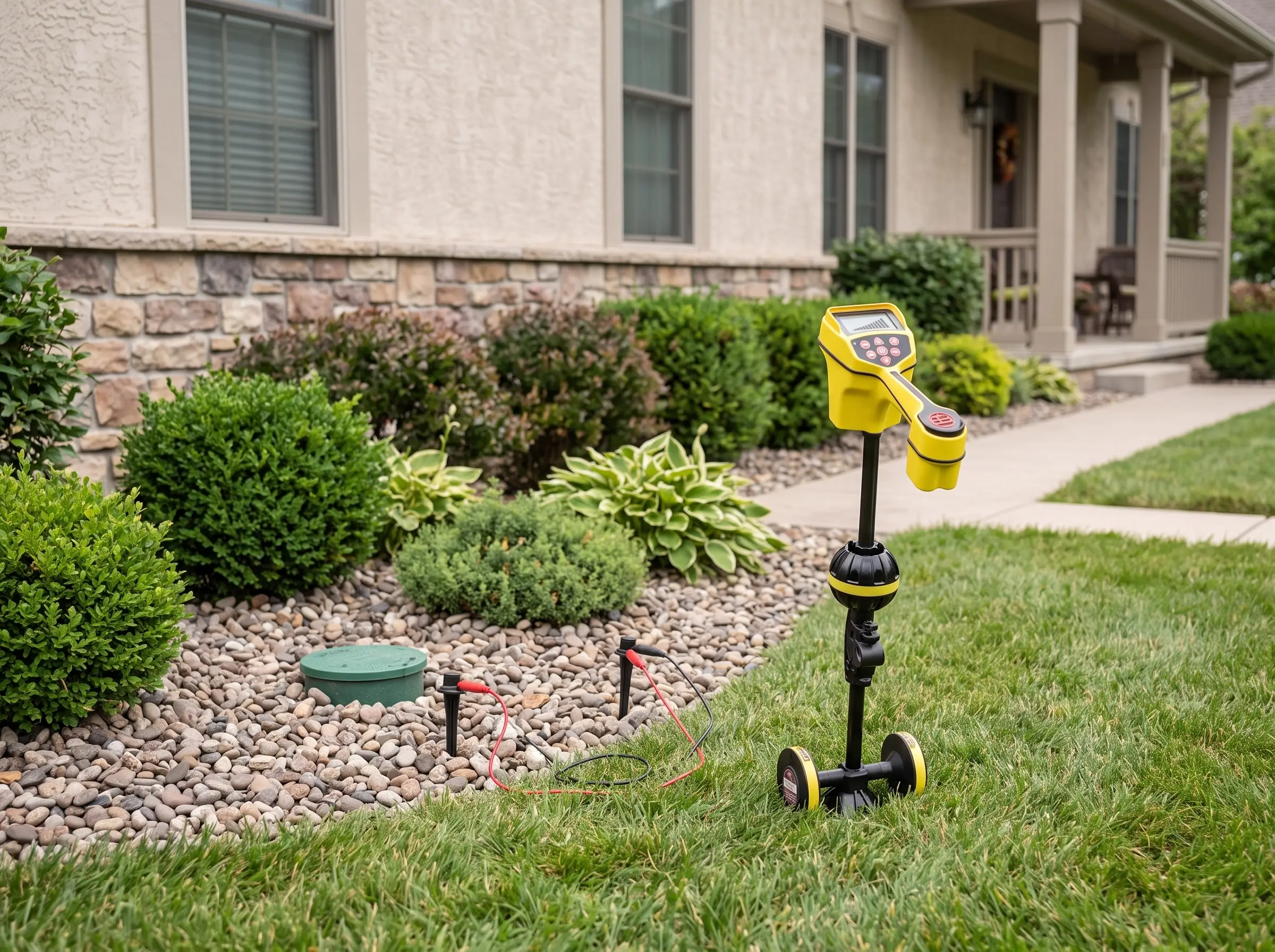
Which service fits
Locating answers where the line runs. A camera inspection answers what is inside it. Some questions need one, and some need both.
A locate does not show the condition of the pipe, and a camera view alone does not tell you where the line sits on your property.
Independent by design
We estimate where an accessible line runs, within what the equipment can trace.
You can ask for the marks or notes, and for what could not be traced.
You plan next steps with that information in hand. The Sewer Pros does not sell repair or replacement.
If someone has recommended costly work near your line, ask for the evidence, get multiple written estimates, and ask for an explanation when they differ.
Which service fits
| Service | What it does | May fit when |
|---|---|---|
| Sewer line locating (this page) | Estimates the route and position of an accessible underground sewer line. It is an estimate, not a survey. | You need to know where the line runs |
| Sewer camera inspection | Shows visible conditions inside an accessible line | The cause or condition of the line is unclear |
| Sewer cleaning | Removes buildup and obstructions that restrict flow in an accessible line | Flow is restricted by grease, roots, debris, or similar material |
| Pre-purchase sewer inspection | A focused look at the visible condition of the line before a purchase | You are buying a home |
| One-call utility notification (811) (Not our service) | A public process for requesting utility marking before digging. Whether private sewer lines are covered depends on your program and utility, so ask. | Before any digging. Private locating does not replace it. |
Before you book
What is included can vary by appointment. Ask before you book, and keep what you receive.
Ask whether marks are provided for your appointment, and what they show.
Ask whether a depth reading is given. Treat any depth as an estimate.
Ask which entry point was used, how much of the line was traced, and whether the camera reached the intended endpoint.
Ask for any part of the line that could not be reached or traced, and why.
When a camera is used, you receive the inspection video. Written findings are included.
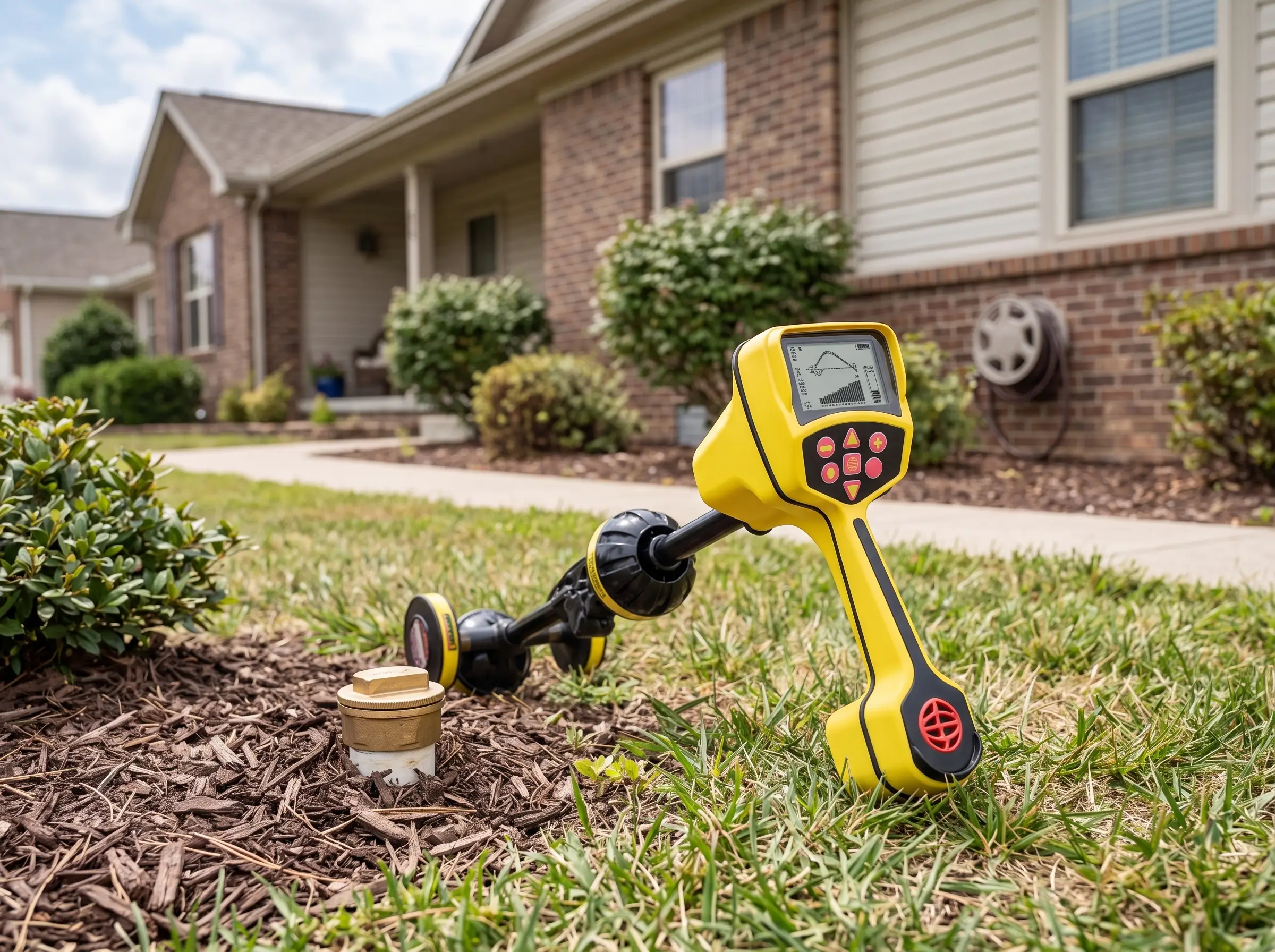
Before authorizing major sewer work, keep the video and written findings, request written scopes and estimates, and consider an independent second opinion. Depending on local program rules or transaction requirements, these records may also help support a property-sale disclosure, a municipal lateral-program review, an estimate comparison, or an insurance inquiry.
A locate is an estimate for planning. It is not a survey, utility clearance, or permission to dig.
Locating shows where a line runs. A camera inspection shows the visible condition inside it. A pre-purchase sewer inspection focuses on condition. Timing follows your purchase contract's inspection period.
Home buyer sewer inspectionsRoute information can support due diligence and project planning on a property. It is separate from the condition of the line.
Transaction supportLocating may help clarify an approximate route when an inspection raises questions about where the line runs.
Working with home inspectorsApproximate route information may support maintenance planning, access coordination, and vendor communication on residential properties. Tenant notice depends on your lease and local law.
Property manager supportService areas
Choose your market for local service details and scheduling options.
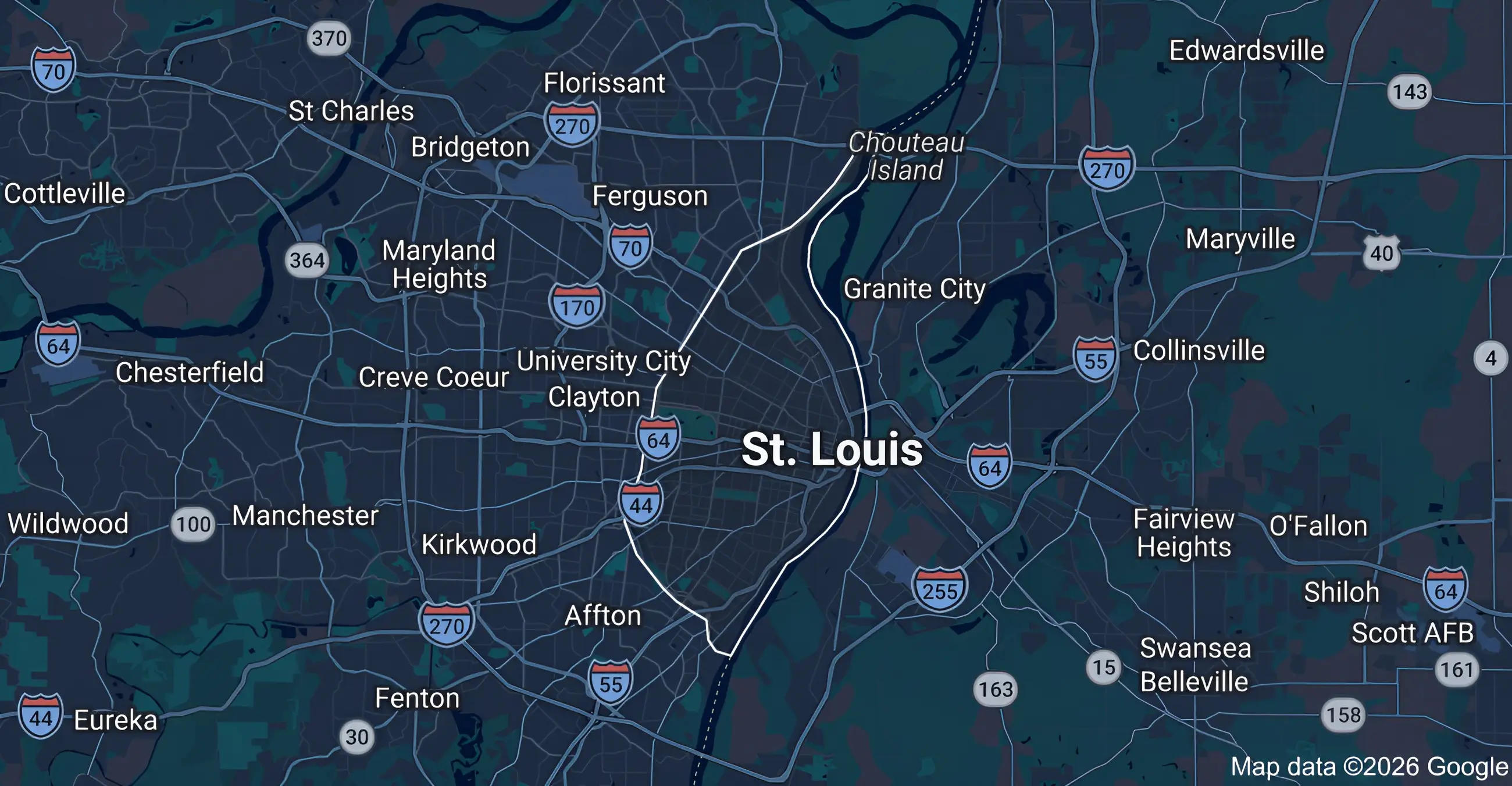
Residential sewer line locating across the St. Louis area.
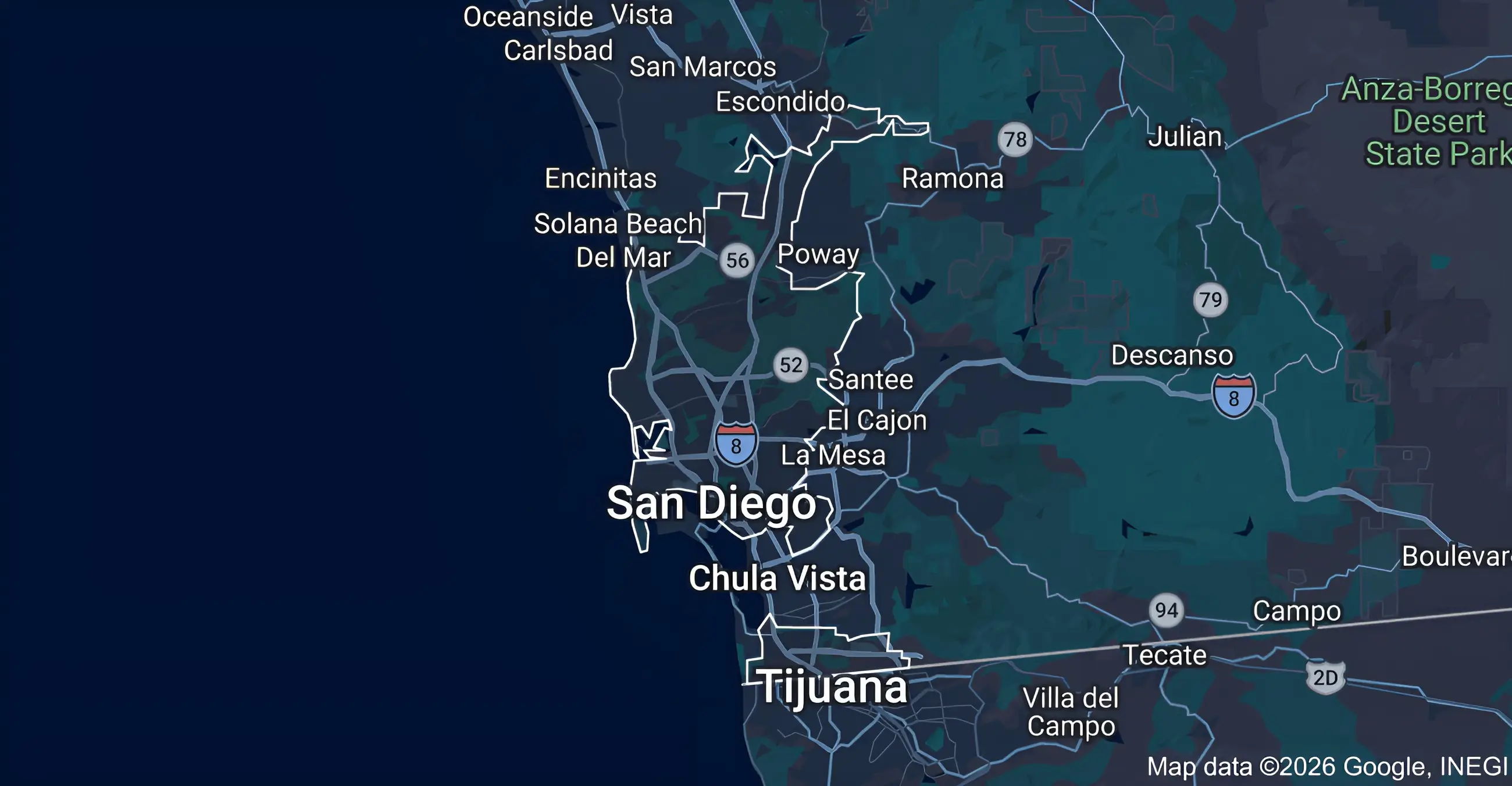
Residential sewer line locating in the San Diego area.
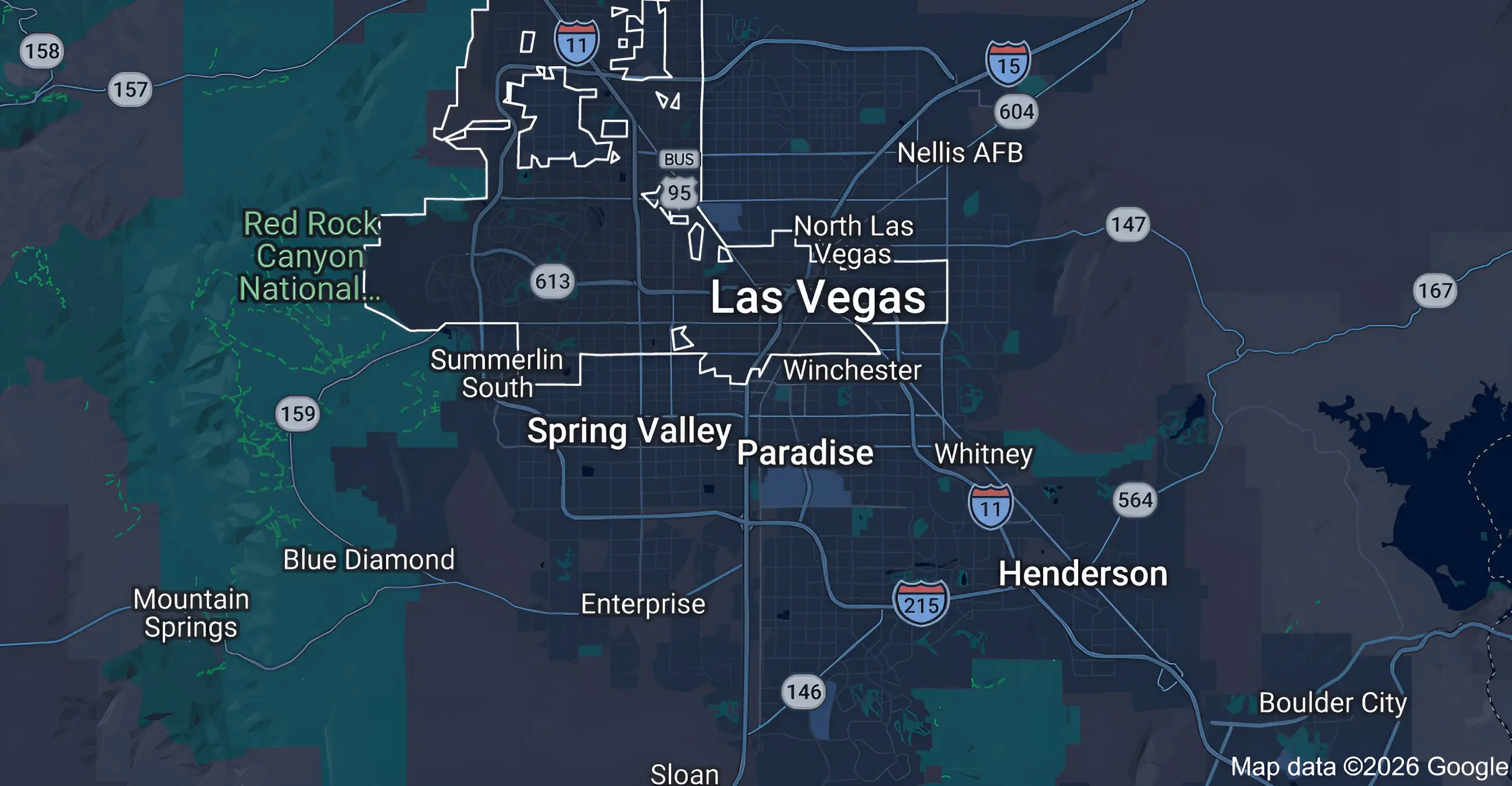
Residential sewer line locating across the Las Vegas Valley.
4.9 out of 5from 595 Google reviews · as of
Questions
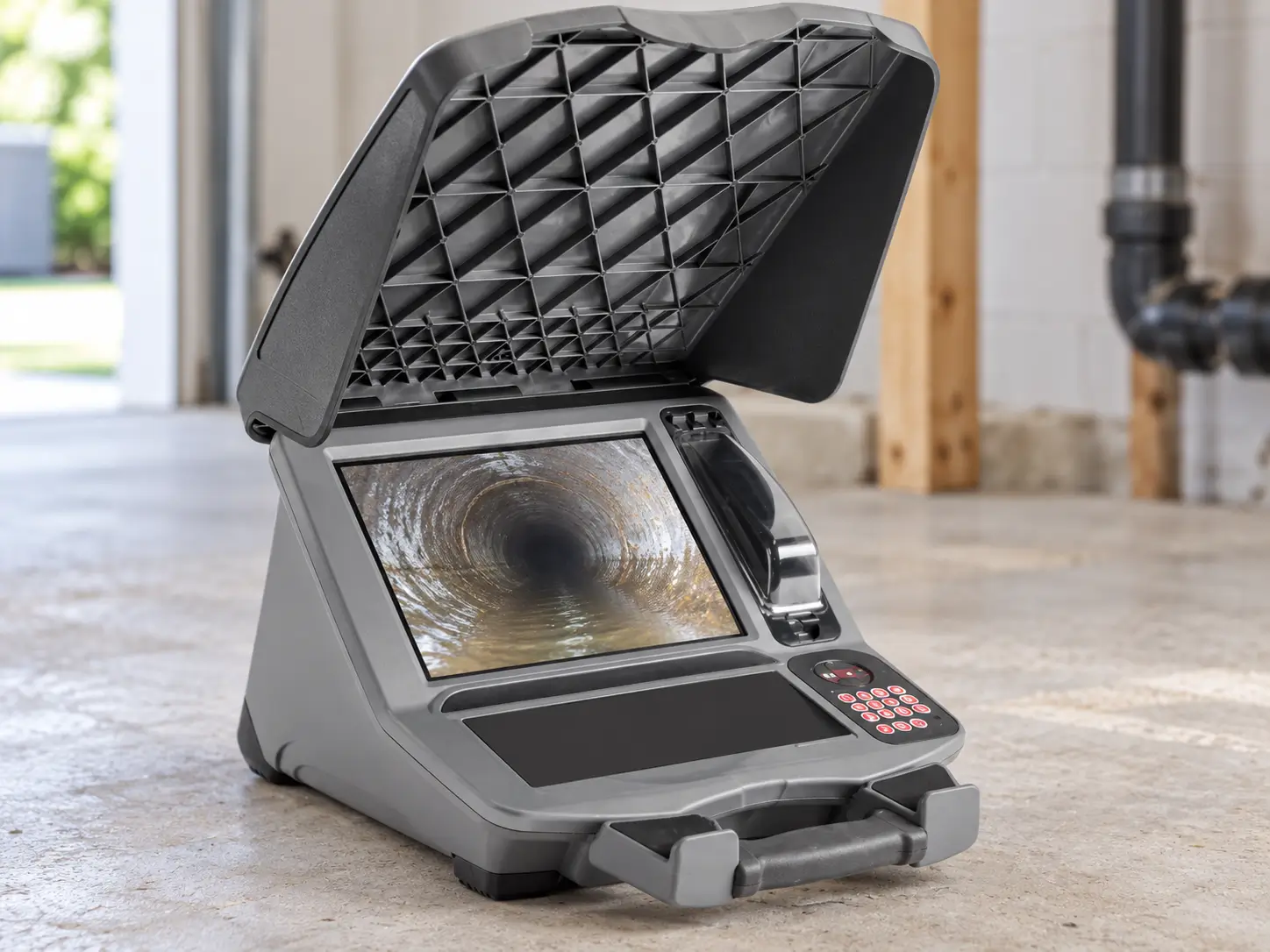
What a camera may show, and what it cannot confirm.
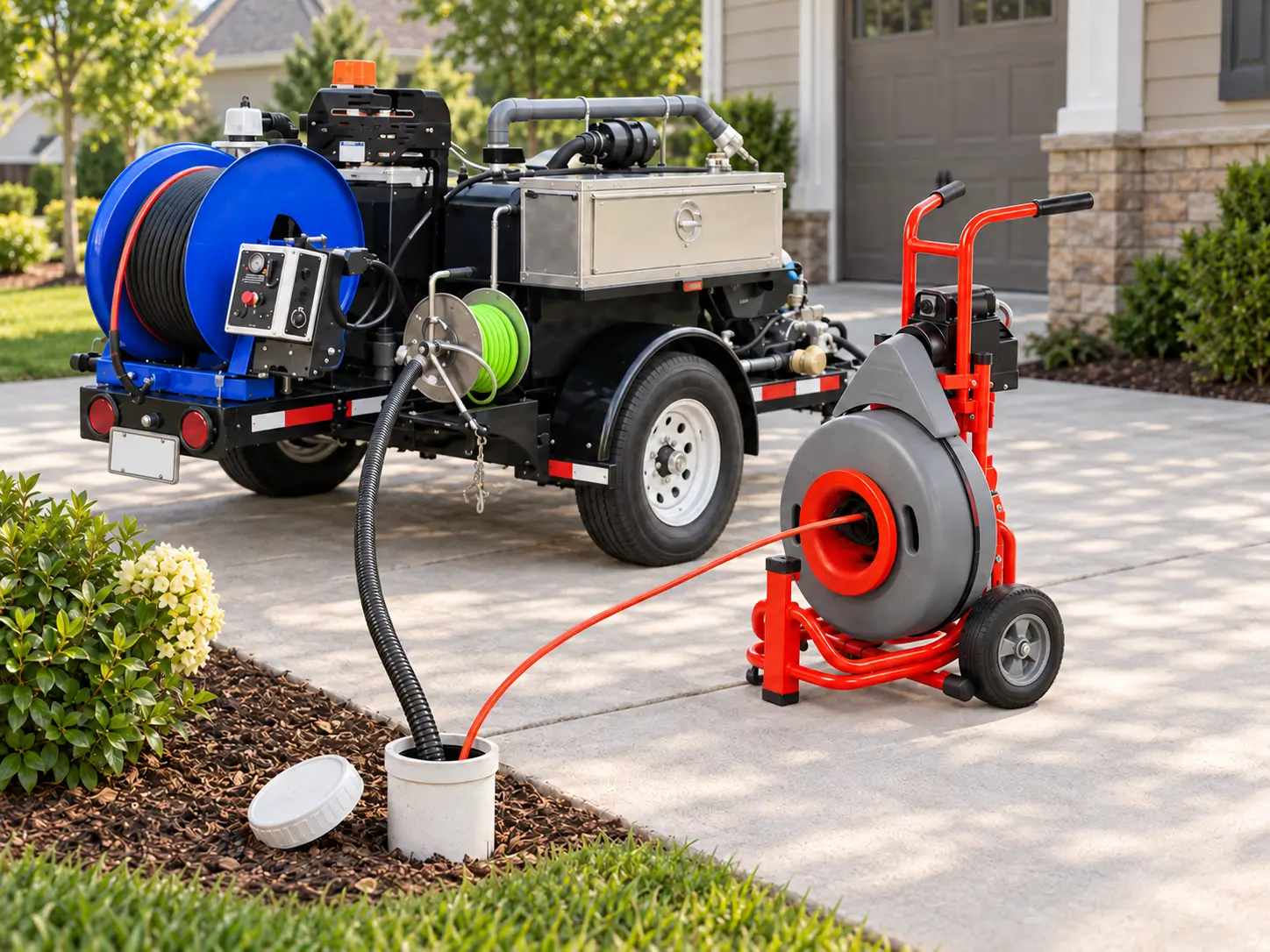
Review visible line conditions and address an appropriate restriction when warranted.
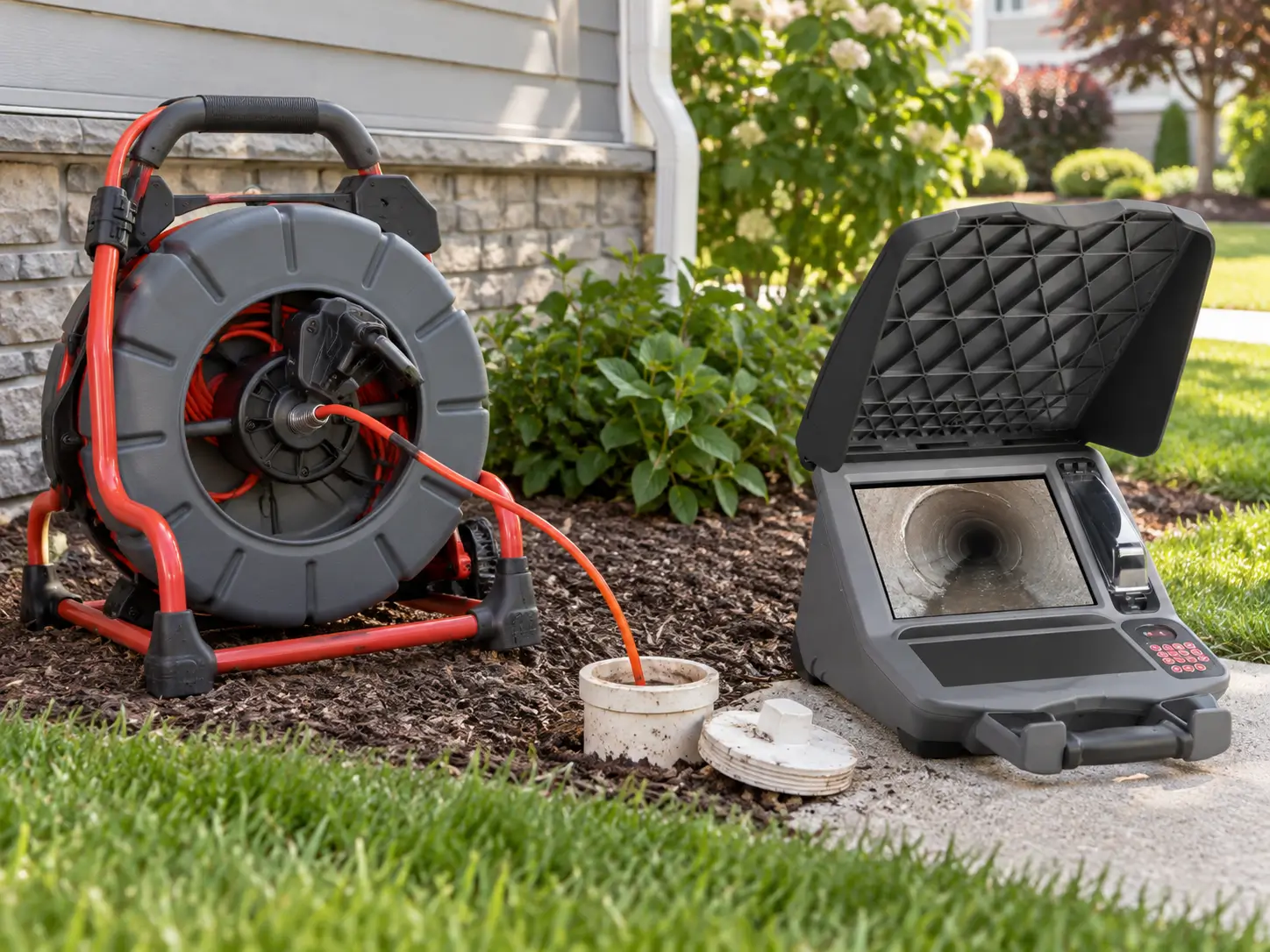
A focused look at the line before you buy.
Request service
Choose your service area, tell us what you are planning near the line, and let us know if you know where a cleanout or other access point is.
This service is designed for accessible residential sewer and drain lines. Equipment selection and available service depend on the entry point, pipe size, line condition, and scope of work. We provide cleaning, camera diagnostics, and line locating only. We do not provide sewer repair, replacement, lining, excavation, or pipe installation.
Step 1 of 4