
Clear
We address the restriction and, where a camera is used, look at what we can of the accessible line.
Residential sewer and drain cleaning
Sewer cleaning removes grease, roots, debris, and other buildup from an accessible sewer line so wastewater can flow, and so the line can be seen more clearly.
We provide cleaning, camera diagnostics, and line locating only. We do not provide sewer repair, replacement, lining, excavation, or pipe installation.
Service
Sewer Cleaning
Tell us what your drains are doing. We will help you choose between cleaning, a camera inspection, or both.
Step 1 of 4
The short answer
Sewer cleaning is the removal of grease, roots, deposits, debris, and other material that restricts flow in a sewer line. It uses hydraulic methods, such as high-pressure water jetting, or mechanical methods, such as a cable machine, chosen to suit the line. It clears and maintains the pipe. It does not repair it.
A camera may be used to document the line before cleaning, after cleaning, or both. What your appointment includes depends on the line and the scope of work. This page covers accessible private-property sewer and drain lines, not public sewer mains.
This service is designed for accessible residential sewer and drain lines. Equipment selection and available service depend on the entry point, pipe size, line condition, and scope of work. We provide cleaning, camera diagnostics, and line locating only. We do not provide sewer repair, replacement, lining, excavation, or pipe installation.
Signs to look into
These signs can be associated with a sewer-line issue. They do not prove a cause, and not every one calls for cleaning. If only one fixture is affected, drain cleaning may be the better fit. If the cause is unclear, a camera inspection may be a better starting point.
When more than one fixture is slow at the same time, the restriction may be farther downstream than a single fixture’s drain.
Gurgling can accompany restricted flow. It can also come from a venting issue, so it does not point to one cause on its own.
A clog that returns after clearing may mean buildup, roots, or debris remain in the line, or that a pipe condition is involved. A camera can help show which.
Persistent odors can be associated with a drainage or sewer-line problem. The source should be assessed rather than assumed.
This can indicate a blockage in the sewer line. If sewage is actively backing up into your home, contact us to discuss the situation.
These can be warning signs, but they do not prove a leak. A camera shows the inside of the pipe, not the soil around it.
What happens on the day
The steps below describe a typical visit. What yours includes depends on the line, the entry point, and the scope of work.
The technician identifies an accessible entry point, commonly a cleanout.
The entry point, pipe size, reported symptoms, and what equipment can be used are considered.
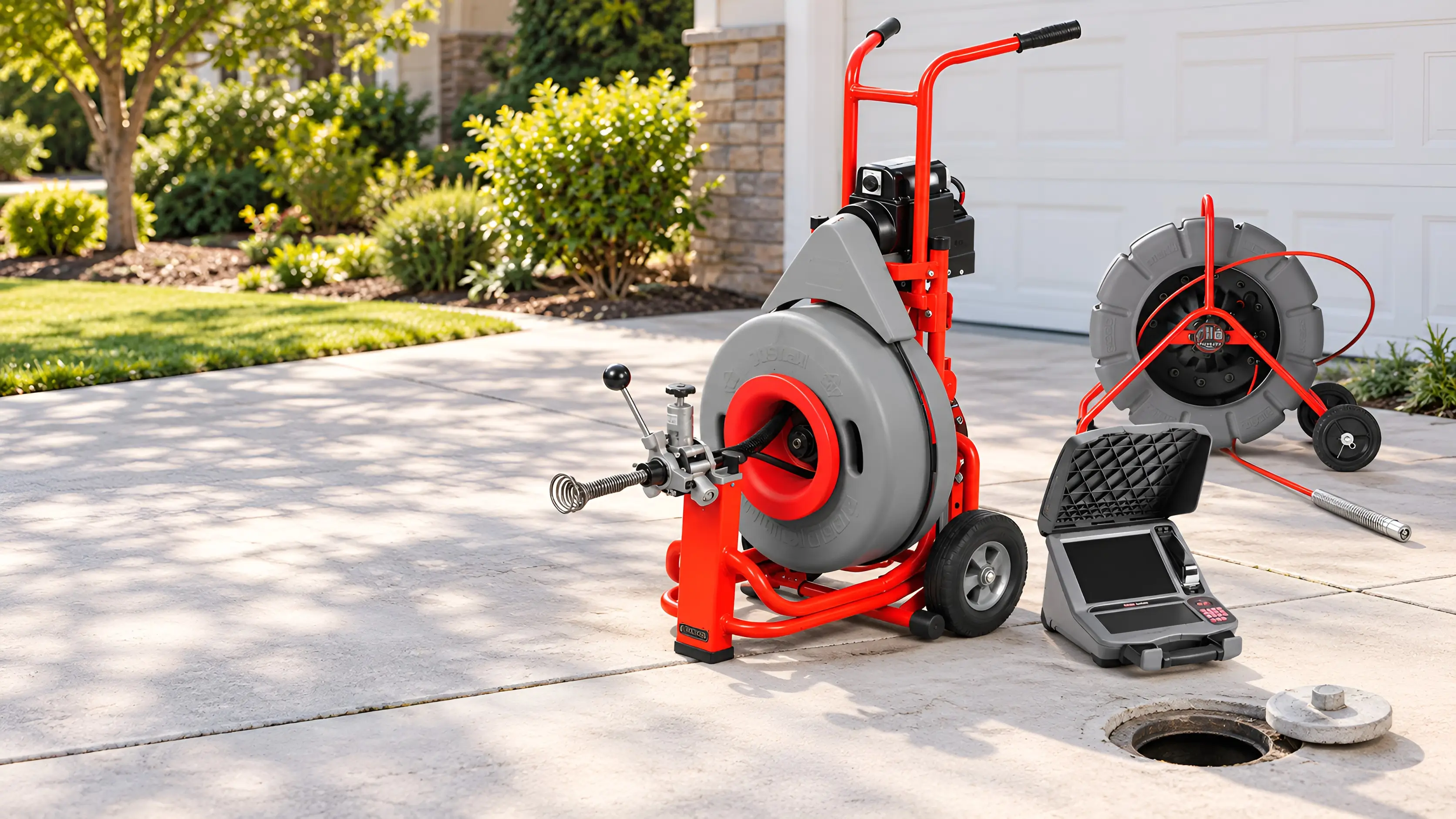
A camera may be used to see the line first, when it can be viewed. If the line is blocked and full of water, cleaning may have to come first. Our equipment includes the SeeSnake CS12x and the SeeSnake Standard Camera Reel with TruSense.
Hydraulic or mechanical equipment is used to address the restriction, in as many passes as the line calls for.
A camera may be used again to see what the cleaning achieved and note conditions in the pipe, including any part it could not reach.
Hydraulic and mechanical
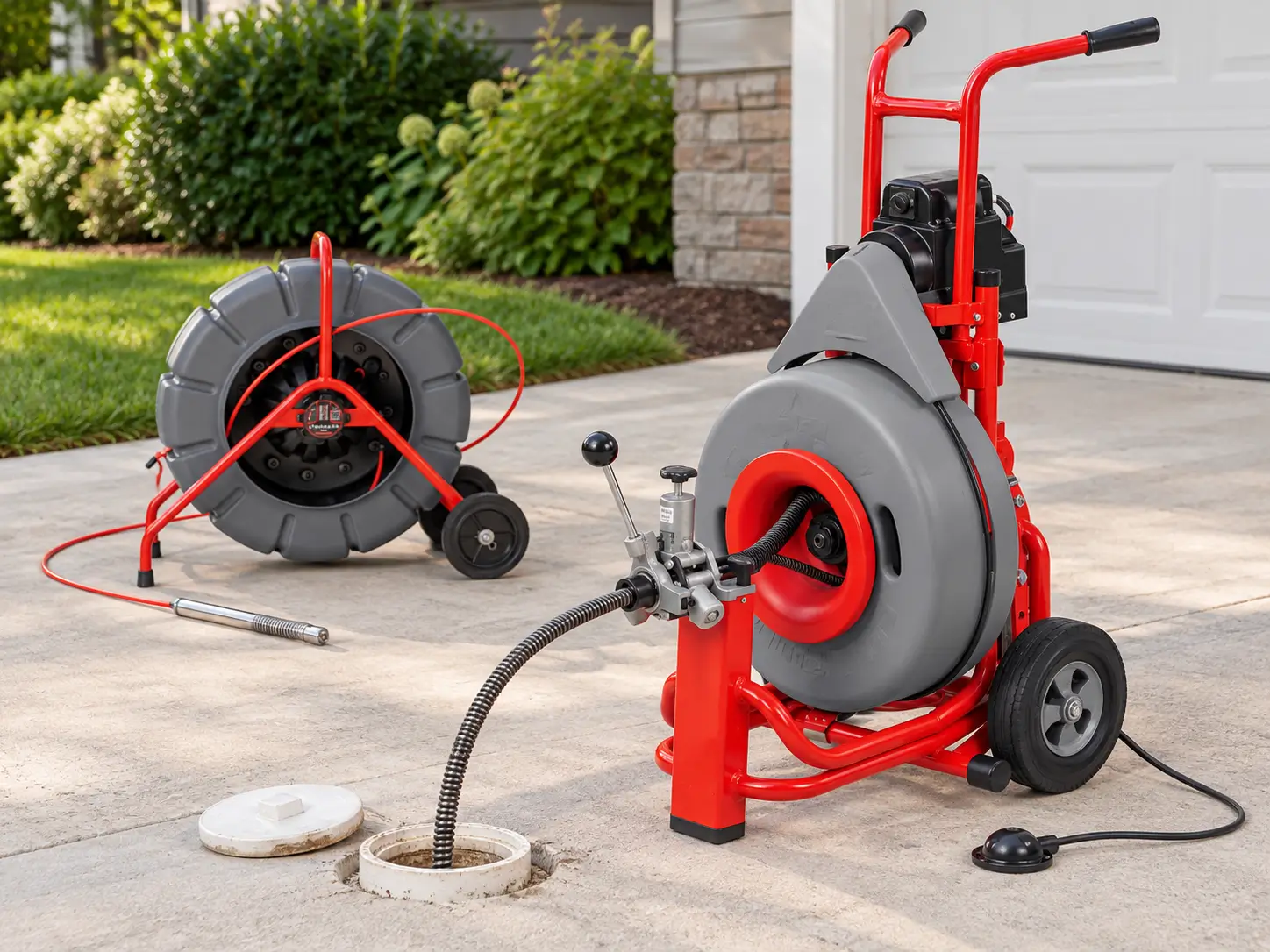
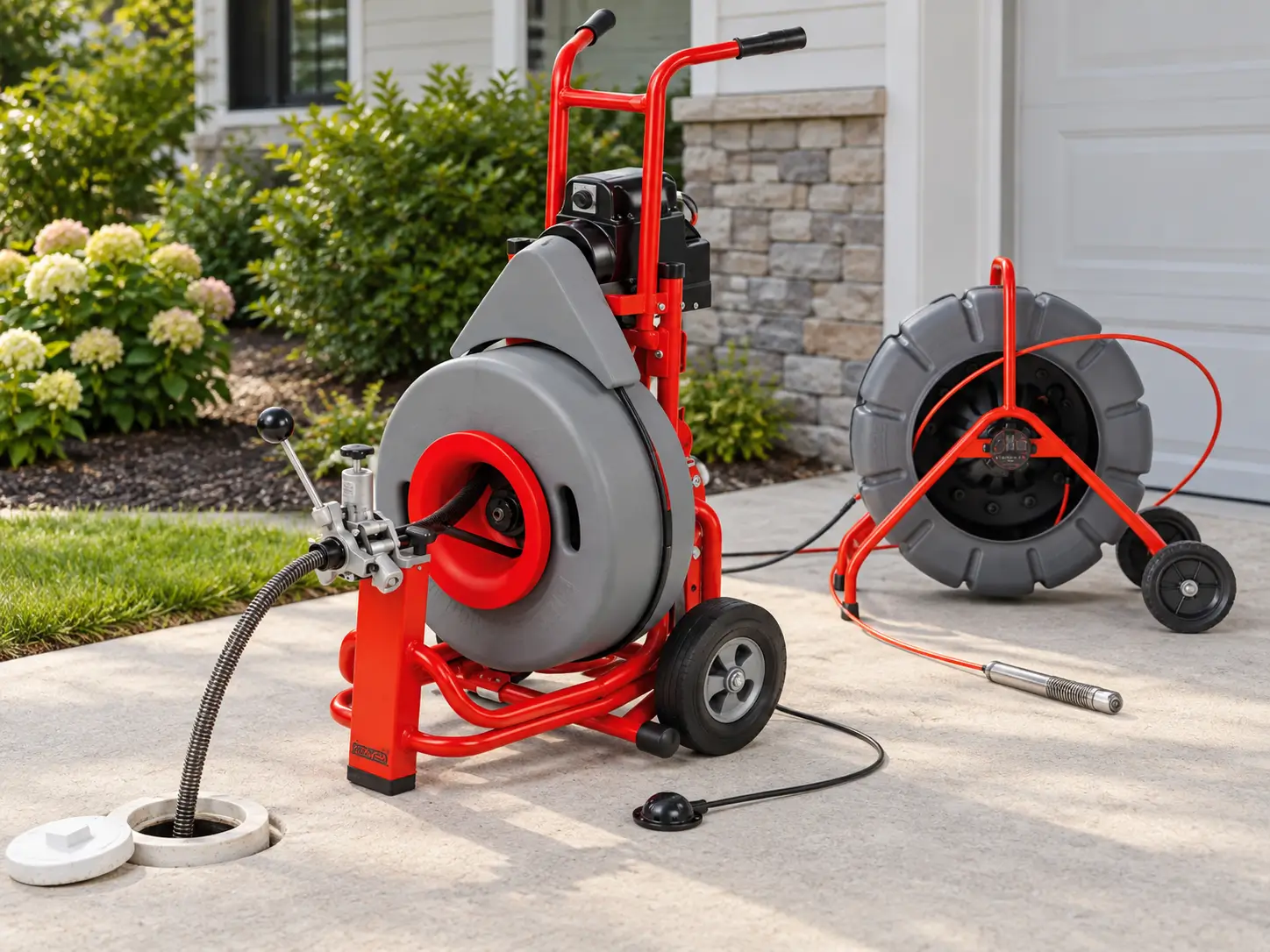
Depending on the line, a technician may use hydraulic cleaning, mechanical cleaning, or both. The amount and type of buildup can change the approach and the number of passes. Which equipment is used on your visit depends on the line and the scope of work.
| Method | How it works | Often considered for | Limits |
|---|---|---|---|
| Hydro jetting | Pressurized water through a hose and nozzle works at buildup on the pipe wall and moves debris toward the access point. | Grease, sludge, sediment, and debris buildup. Some roots, depending on the line. | Depends on pipe condition, size, debris, access, and equipment limits. It is not appropriate for every pipe or blockage. |
| Cable cleaning | A rotating or advancing cable with a tool physically cuts or breaks through an obstruction. | A localized obstruction such as roots or a stoppage. | Tool choice matters. Mechanical tools can score some plastic pipe, so the method and tool are chosen for the line. |
Defects, sags, heavy debris, and limited drainage capacity can raise the risk of a backup during high-pressure cleaning. That is one reason a method is matched to the line. For a fuller comparison, see hydro jetting vs. snaking.
Evidence and its limits
Cleaning can improve what a camera is able to document, because debris and grease can hide pipe-wall conditions and block the camera’s travel. A camera records what is visible in the part of the line it can reach.
Visible conditions in the section the camera reaches
Where a camera view stops
A line that flows again is not proof that the pipe is sound. Cleaning and structural condition are separate questions.
Scope, plainly
Sewer cleaning clears and maintains the line. It does not repair a cracked, offset, separated, or collapsed pipe.
Cleaning also may not stop a problem from returning. Roots can regrow and buildup can reappear, particularly where a pipe condition lets roots or debris in. A camera finding is an observation, not a repair plan.
Independent by design
We address the restriction and, where a camera is used, look at what we can of the accessible line.
You can ask for the observations, including what the camera could not reach.
You decide next steps with evidence in hand. The Sewer Pros does not sell repair or replacement.
If someone has recommended costly work, ask for the inspection video and written findings, get multiple written estimates, and ask for an explanation when they differ.
Which service fits
| Service | What it does | May fit when |
|---|---|---|
| Sewer cleaning (this page) | Removes buildup and obstructions that restrict flow in an accessible sewer line | Flow is restricted by grease, roots, debris, or similar material |
| Hydro jetting | Uses high-pressure water for suitable cleaning applications | More substantial buildup or recurring drainage issues, when the line is a suitable candidate |
| Drain cleaning | Restores drainage at affected fixtures and branch lines | Clogs or slow drains at one fixture |
| Sewer camera inspection | Shows visible conditions inside an accessible line. It does not clear a restriction. | The cause or condition of the line is unclear |
| Cleaning and camera inspection | Reviews visible line conditions and addresses an appropriate restriction when warranted | A problem keeps returning or several fixtures are affected |
| Line locating | Identifies the approximate path of an underground line. A locate is an estimate, not a survey. | You need to know where the line runs |
Before you book
What is included can vary by appointment. Ask before you book, and keep what you receive.
When a camera is used, you receive the inspection video. Ask how it is delivered and how long you can access it.
Written findings are included. Ask whether they note any part of the line the camera could not reach, and why.
Ask which entry point was used and where along the line conditions were seen.
Ask what method was used, and whether a camera review followed the cleaning.
Ask whether the findings use a standardized coding system, and whether locating is part of the visit.
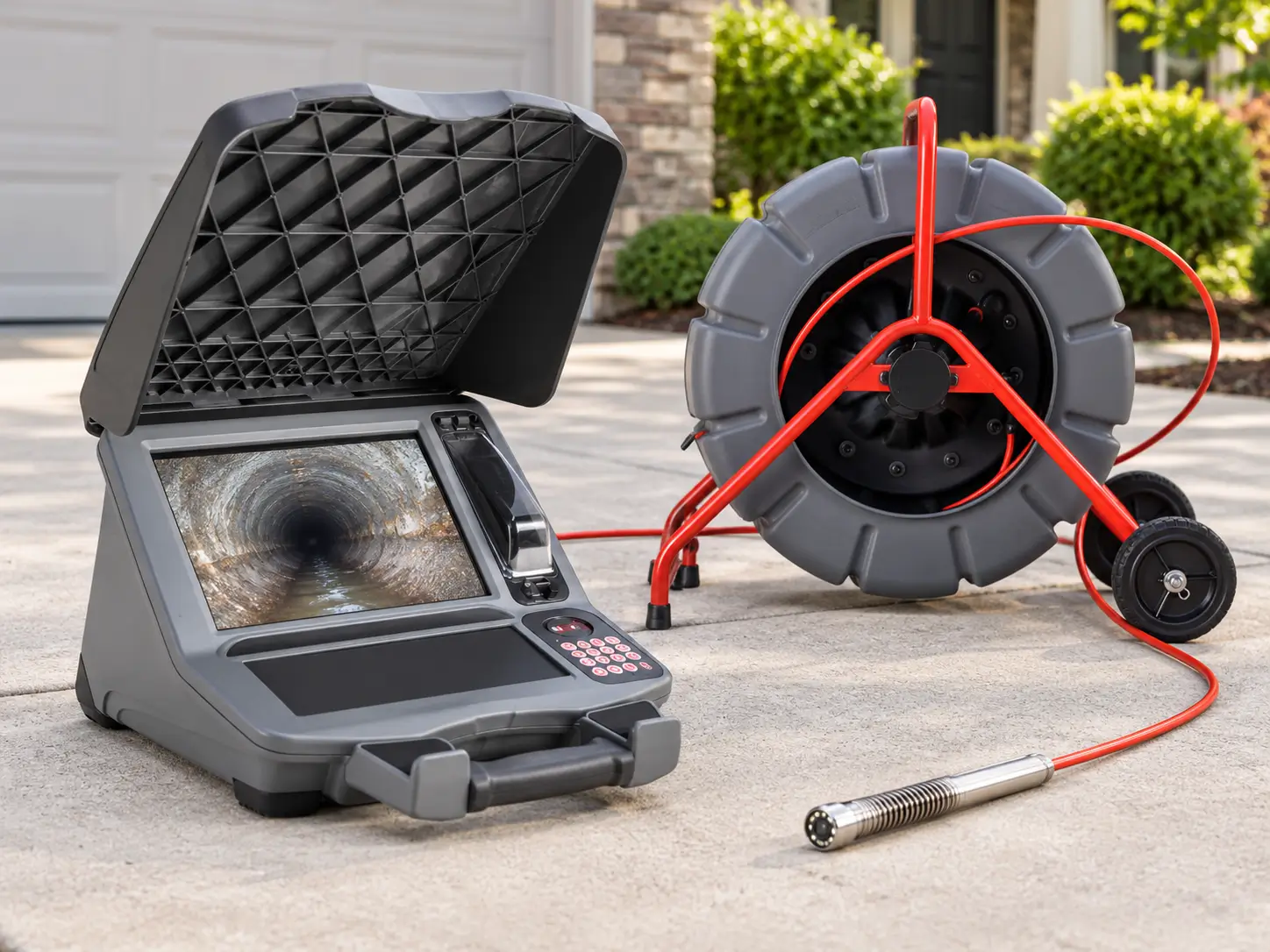
They are useful as a later reference. If someone recommends costly work, you can ask another company to review the video and compare written estimates before you decide.
A camera finding is a visible observation. It is not a repair recommendation, and it does not by itself set a scope of work.
What changes the scope
We do not publish a standard time or price on this page. These factors shape the scope of a visit, so they are the things to describe when you request service.
Whether a cleanout is available and how easily the work area can be reached.
Longer accessible runs can take more cleaning and camera work. Pipe diameter helps determine which equipment can be used.
Light buildup and heavy or encrusted deposits are different jobs and can call for different approaches.
Cleaning may be needed before a camera can clearly document the pipe.
Video and written findings come with a camera inspection, which is separate from the cleaning itself. Ask whether locating is included.
There is no single schedule that suits every property. Public agencies publish different local recommendations.
Tree roots, the age and material of the pipe, and a history of recurring problems can all justify more frequent attention.
Worth knowing
Many utilities advise against flushing wipes, including products labeled flushable, because they can contribute to blockages in a home’s line and in public sewers. Follow your local utility’s guidance and put wipes in the trash.
Public utility guidance says chemical drain cleaners may not help during a sewer backup and can cause additional damage. Hazardous household chemicals should not go down drains.
Pressure ratings describe what a machine can do, not what a pipe can take. The right method and equipment depend on the pipe, the blockage, and the access.
Fats, oils, and grease coat pipes and build up over time, even when poured liquid. Scrape them into the trash instead.
Related situations
If clearing has not held, a camera can help show what is contributing. Cleaning removes the obstruction, not necessarily what is causing it.
Sewer cleaning is maintenance. A pre-purchase sewer inspection is a focused look at the line. Ask your home inspector what their inspection covers. A sewer scope is a separate, focused inspection of the sewer line.
Ask for the evidence, get multiple written estimates, and consider an independent look at the inspection video before you decide.
Service areas
Choose your market for local service details and scheduling options.
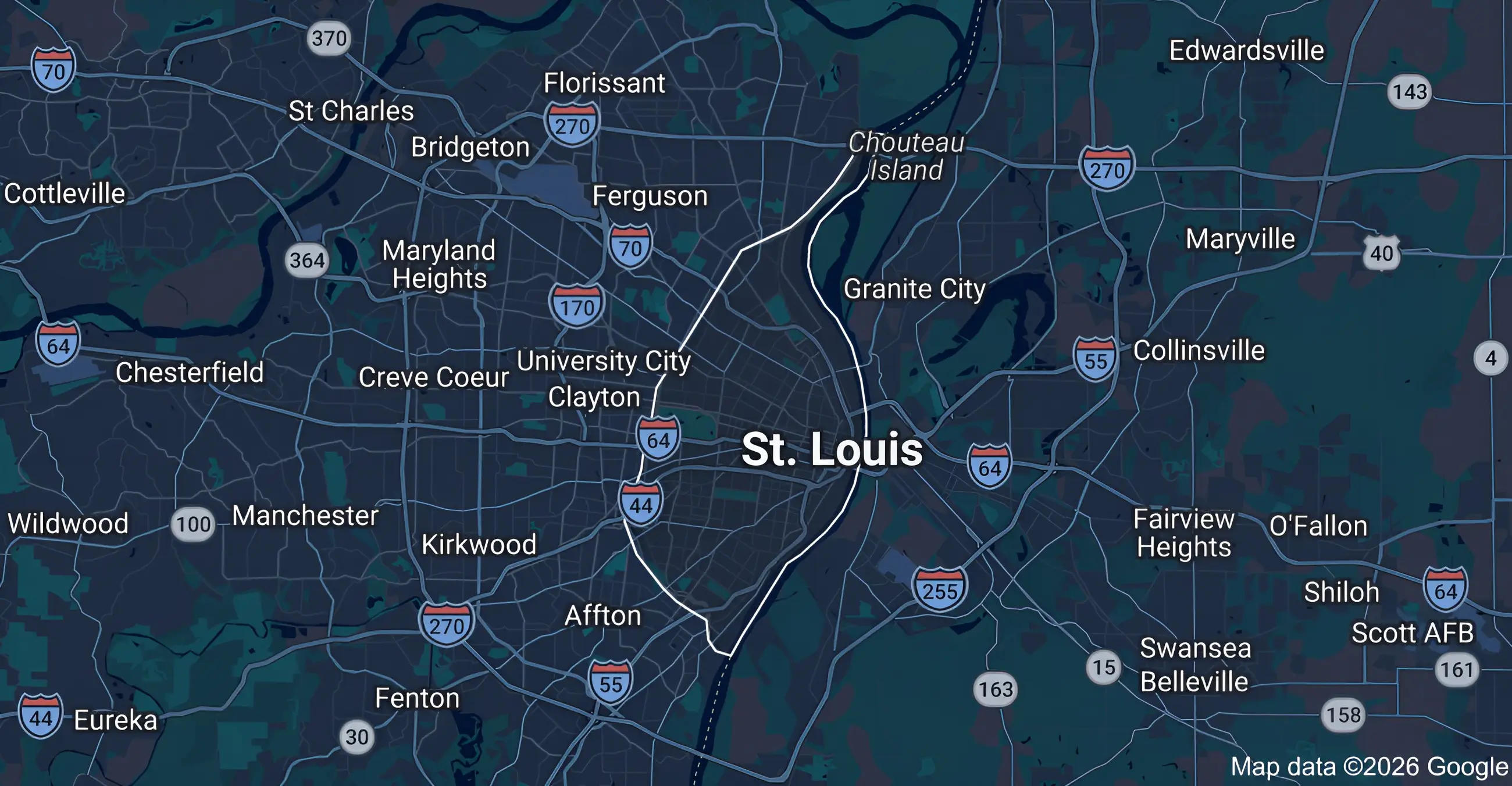
Residential sewer and drain cleaning across the St. Louis area.
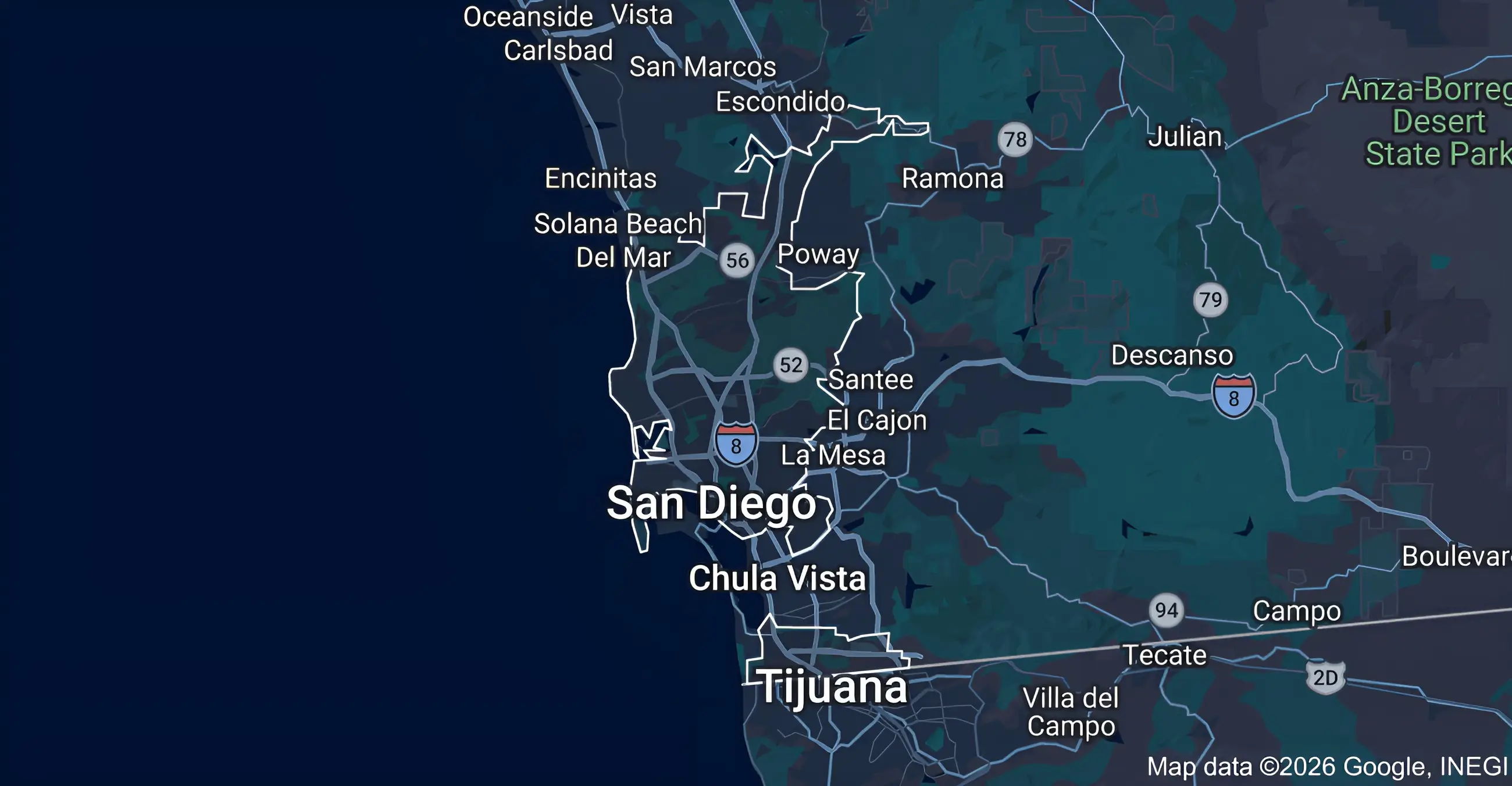
Residential sewer and drain cleaning in the San Diego area.
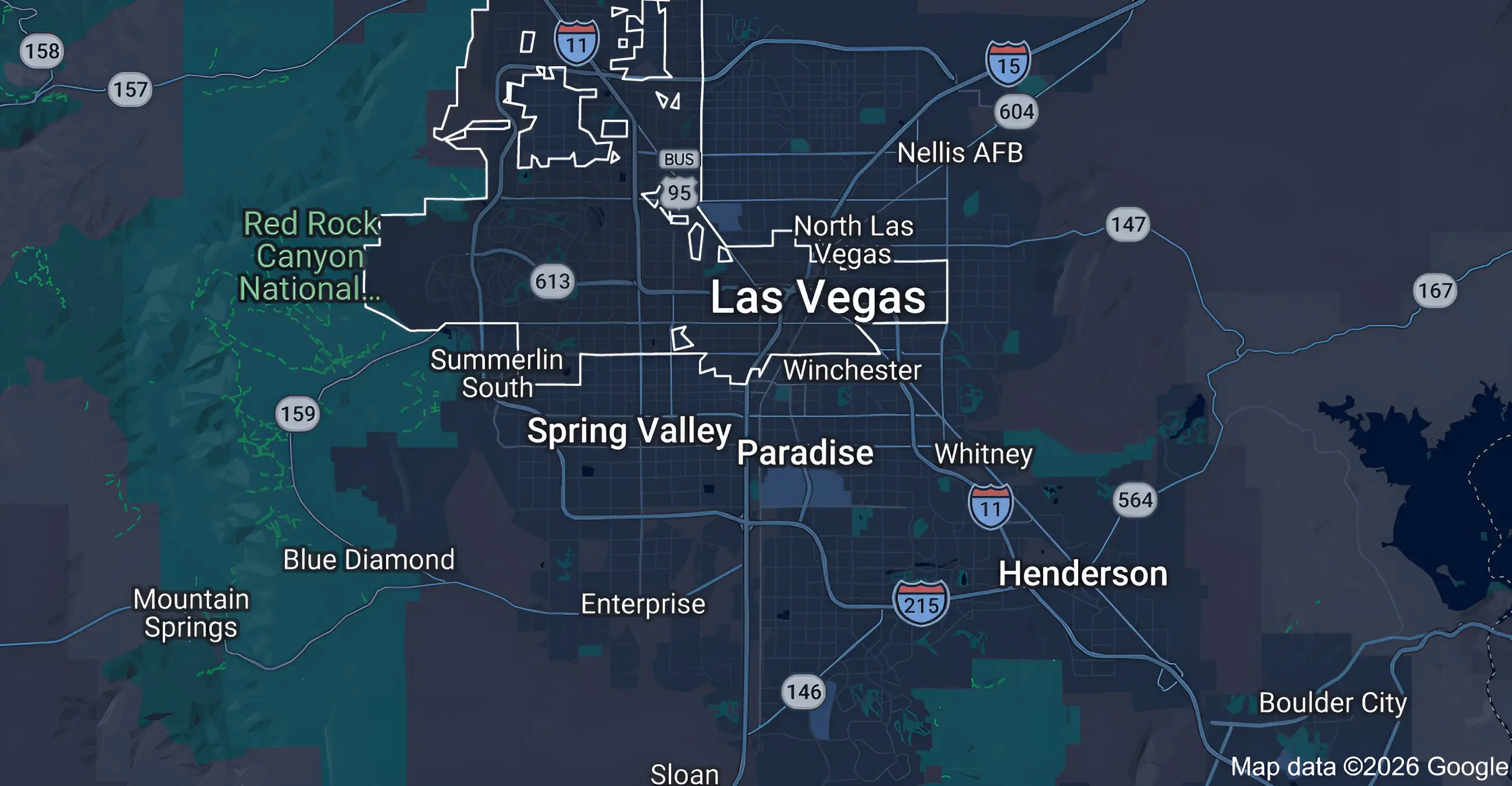
Residential sewer and drain cleaning across the Las Vegas Valley.
4.9 out of 5from 595 Google reviews · as of
Questions
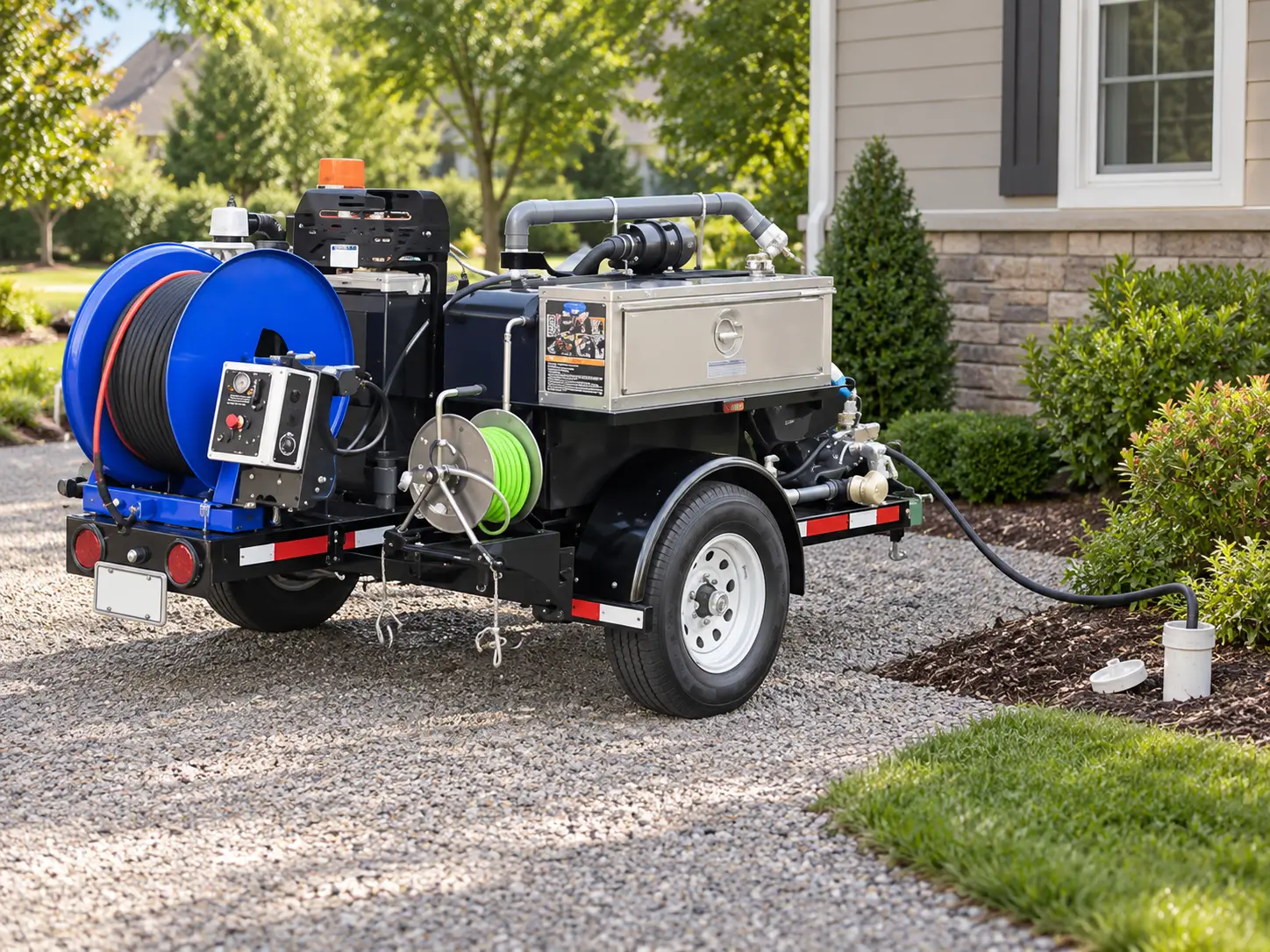
How high-pressure cleaning works and when it may be a fit.
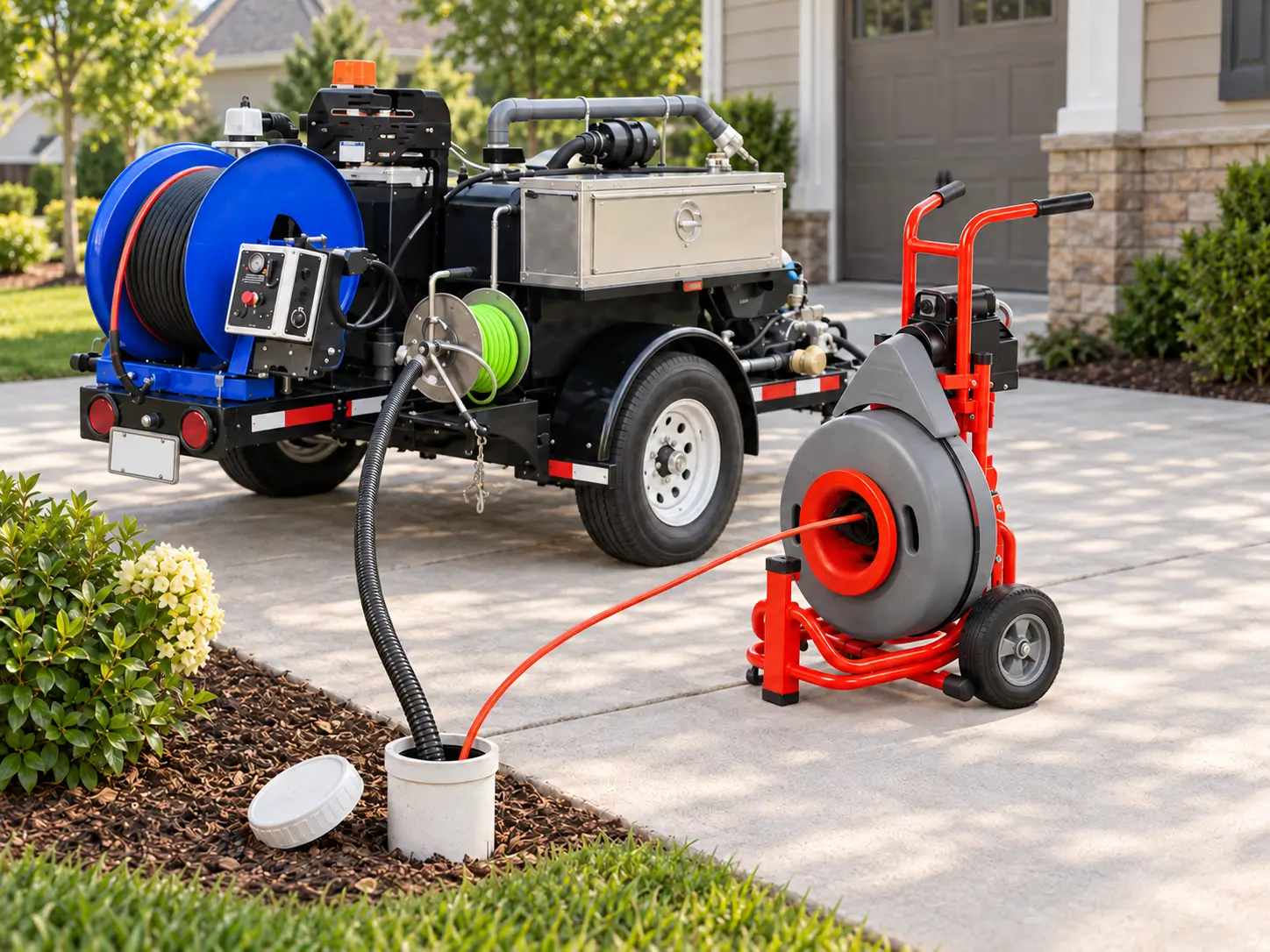
Review visible line conditions and address an appropriate restriction when warranted.
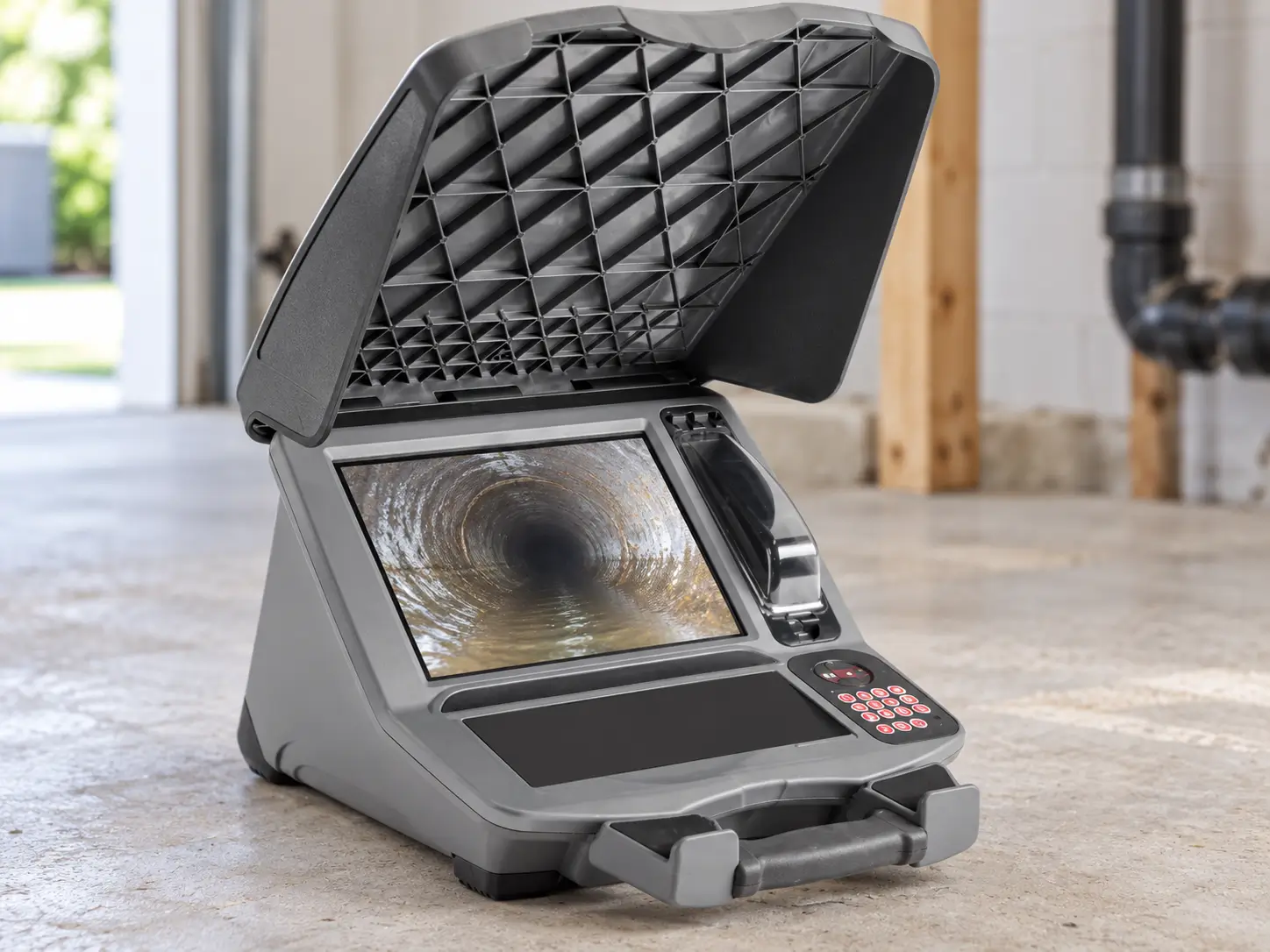
What a camera may show, and what it cannot confirm.
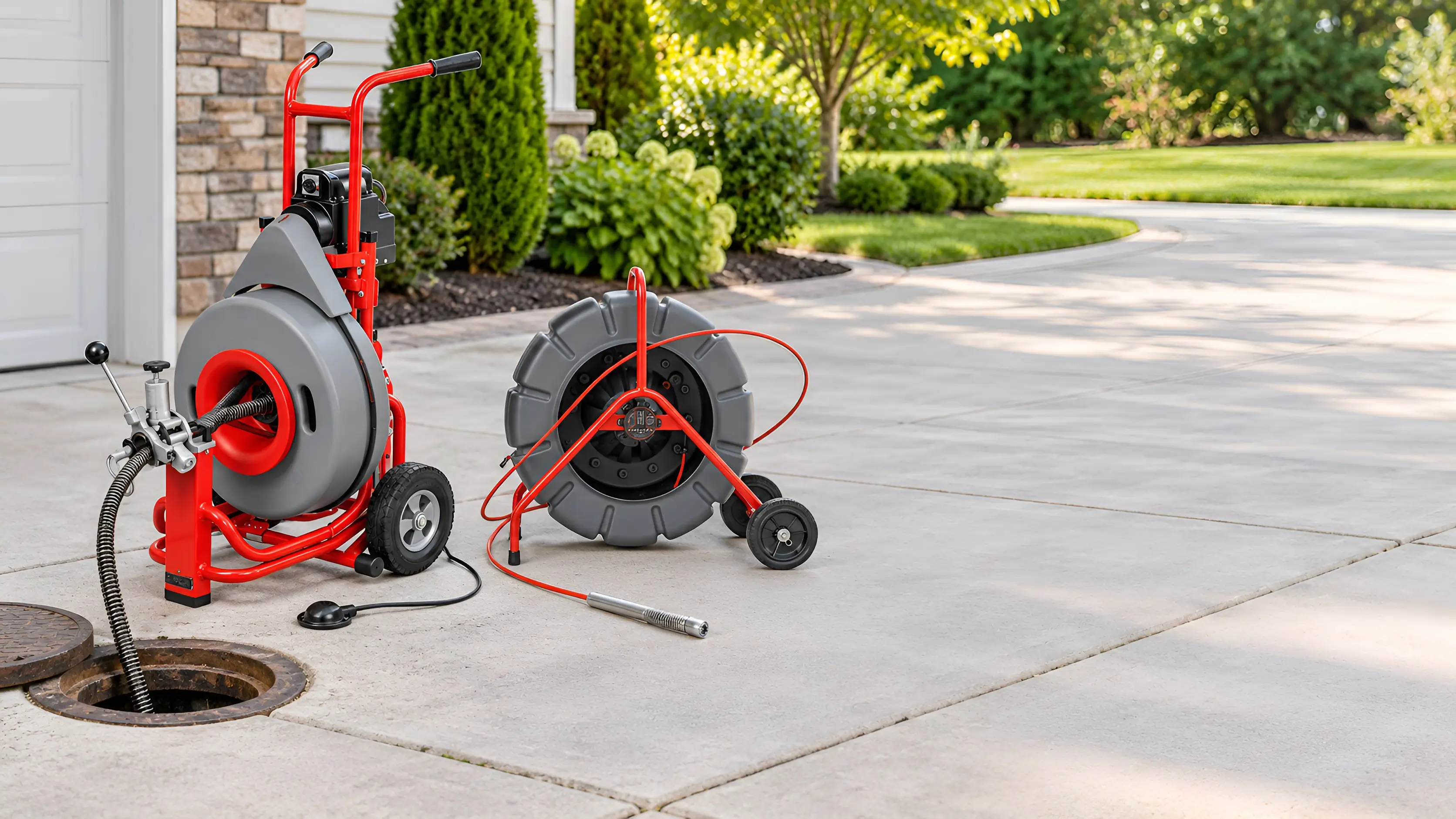
Request service
Choose your service area, tell us what you have noticed, and let us know whether the line has been cleared before or the problem keeps returning.
This service is designed for accessible residential sewer and drain lines. Equipment selection and available service depend on the entry point, pipe size, line condition, and scope of work. We provide cleaning, camera diagnostics, and line locating only. We do not provide sewer repair, replacement, lining, excavation, or pipe installation.
Step 1 of 4