
Clear
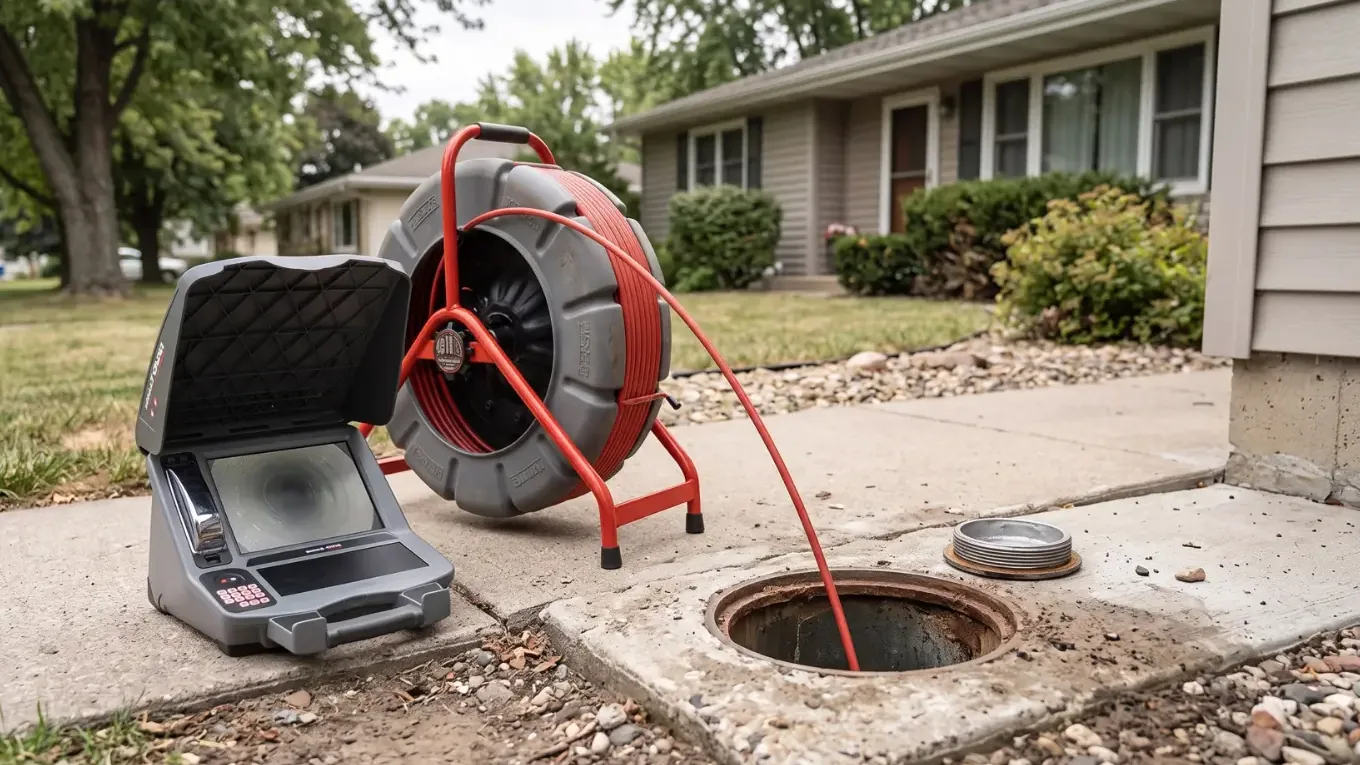
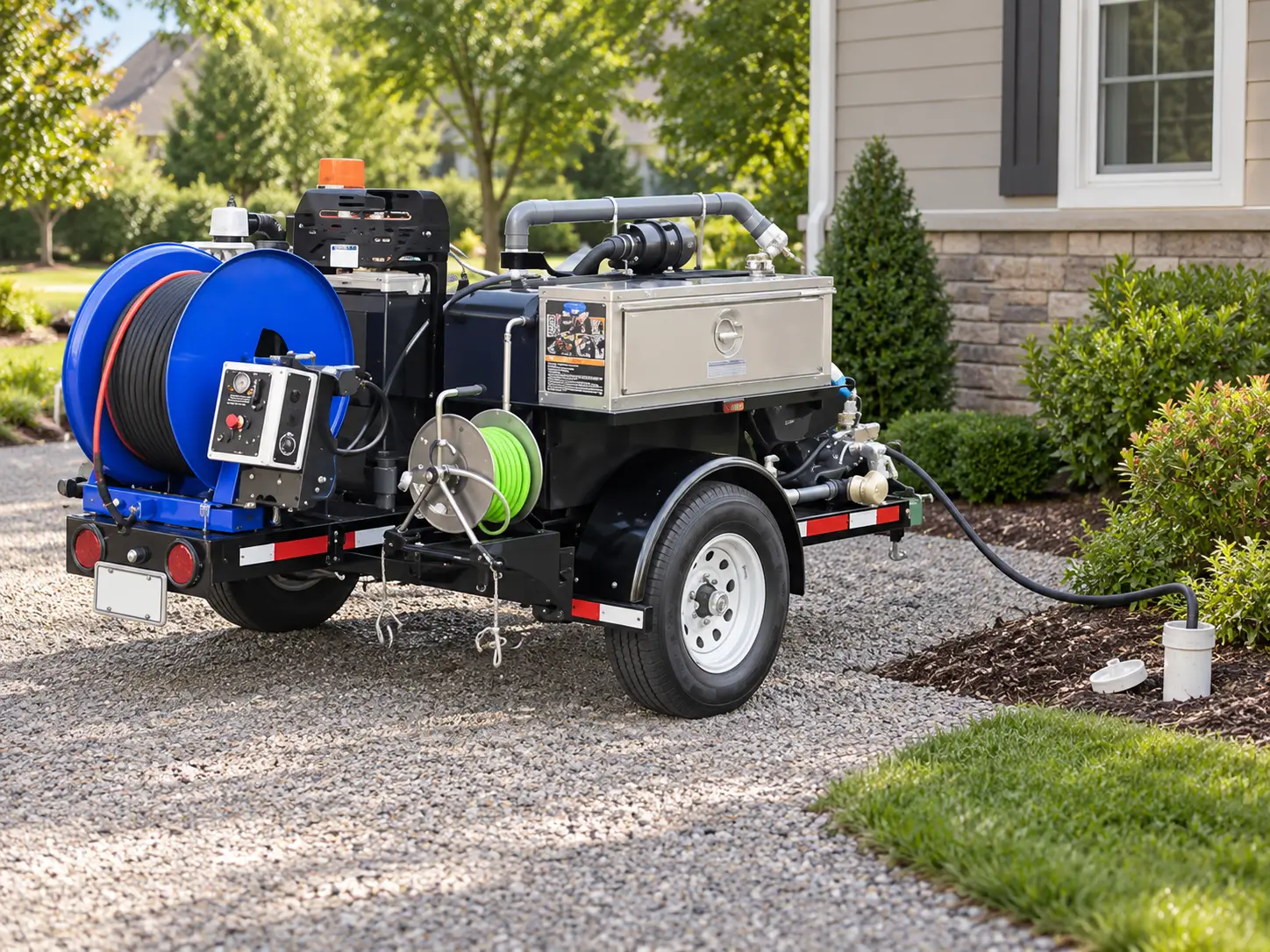
When something blocks the view or the flow, we clear what is accessible and appropriate.
Residential sewer diagnostics
When a sewer backup keeps coming back, clearing it again does not tell you why. Recurring sewer backup diagnosis documents what a camera can see inside the accessible line, with cleaning first when something blocks the view, so you can decide next steps with evidence.
We provide cleaning, camera diagnostics, and line locating only. We do not provide sewer repair, replacement, lining, excavation, or pipe installation.
Service
Recurring Sewer Backup Diagnosis
Tell us what keeps happening. We will help you choose between cleaning, a camera inspection, or both.
Step 1 of 4
The short answer
Recurring sewer backup diagnosis is the process of inspecting the accessible sewer line to identify visible conditions that may cause repeated wastewater backups, such as obstructions, root intrusion, deposits, joint displacement, or pipe damage.
It generally combines a review of your symptoms and access, cleaning when flow or visibility is blocked, a recorded camera inspection, optional electronic locating, and written findings. Cleaning clears an accessible restriction. A camera documents what is visible. Locating estimates where an observed point sits at the surface. They are separate jobs that can be combined.
A diagnosis documents evidence. It does not promise a definitive answer in every property, and it does not repair anything.
This service is designed for accessible residential sewer and drain lines. Equipment selection and available service depend on the entry point, pipe size, line condition, and scope of work. We provide cleaning, camera diagnostics, and line locating only. We do not provide sewer repair, replacement, lining, excavation, or pipe installation.
Why people call
A repeated backup, especially after the line has been cleared before, is a reason to look at the accessible line instead of clearing it again. Public utilities point to the signs below.
A recurring restriction can come from roots, grease, wipes, debris, a sag, or a deteriorated lateral, not only from a one-time blockage at a fixture.
Slow drainage in more than one fixture is listed by public agencies as a warning sign of a larger drain or sewer lateral issue.
Utilities describe this pattern as a sign of a larger drain or lateral issue. One city says a sewer that backs up only when a faucet runs or a toilet flushes may involve the private lateral.
Utilities list it as a warning sign that may warrant professional evaluation.
Utilities list these as warning signs of a damaged line, a drain problem, or a backup condition.
Sewage coming from a cleanout, or water leaking from a cleanout or outside drain, is listed as a sign of sewer trouble.
Some municipal programs advise lateral inspection for persistently wet yard areas. Wet areas can also relate to septic systems or other wastewater infrastructure, so they do not prove a sewer problem.
These signs can have more than one cause. A diagnosis documents the condition of the accessible line rather than assuming the cause.
Common causes
Public utility guidance names the conditions below. Which one applies to your line cannot be known without looking, and more than one can be present.
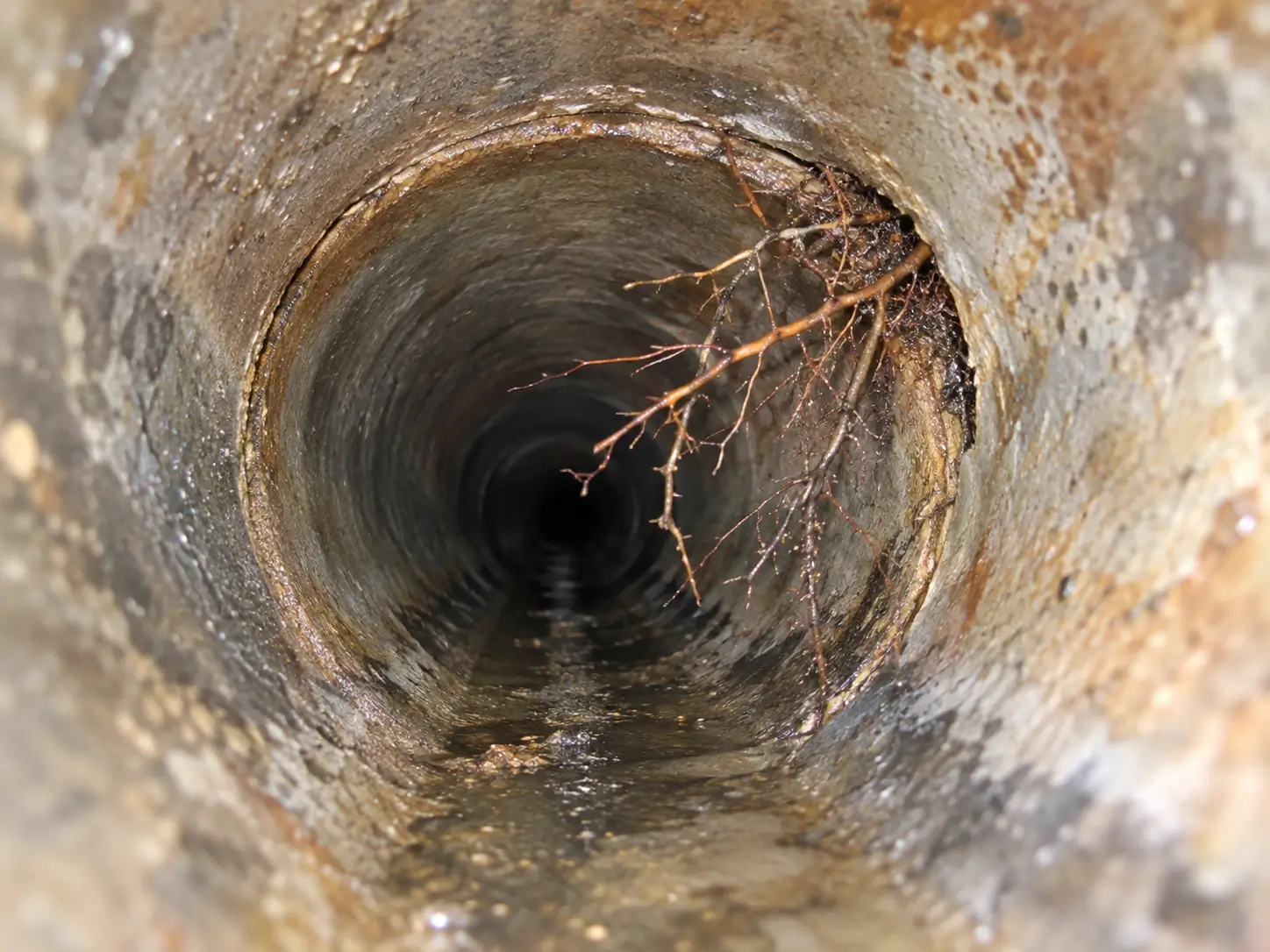
Cleaning can remove material such as roots, grease, sand, and debris. It does not repair the opening a root came through, a sag, or a damaged joint. Those are conditions a camera may document and a cleaning does not change.
Evidence and its limits
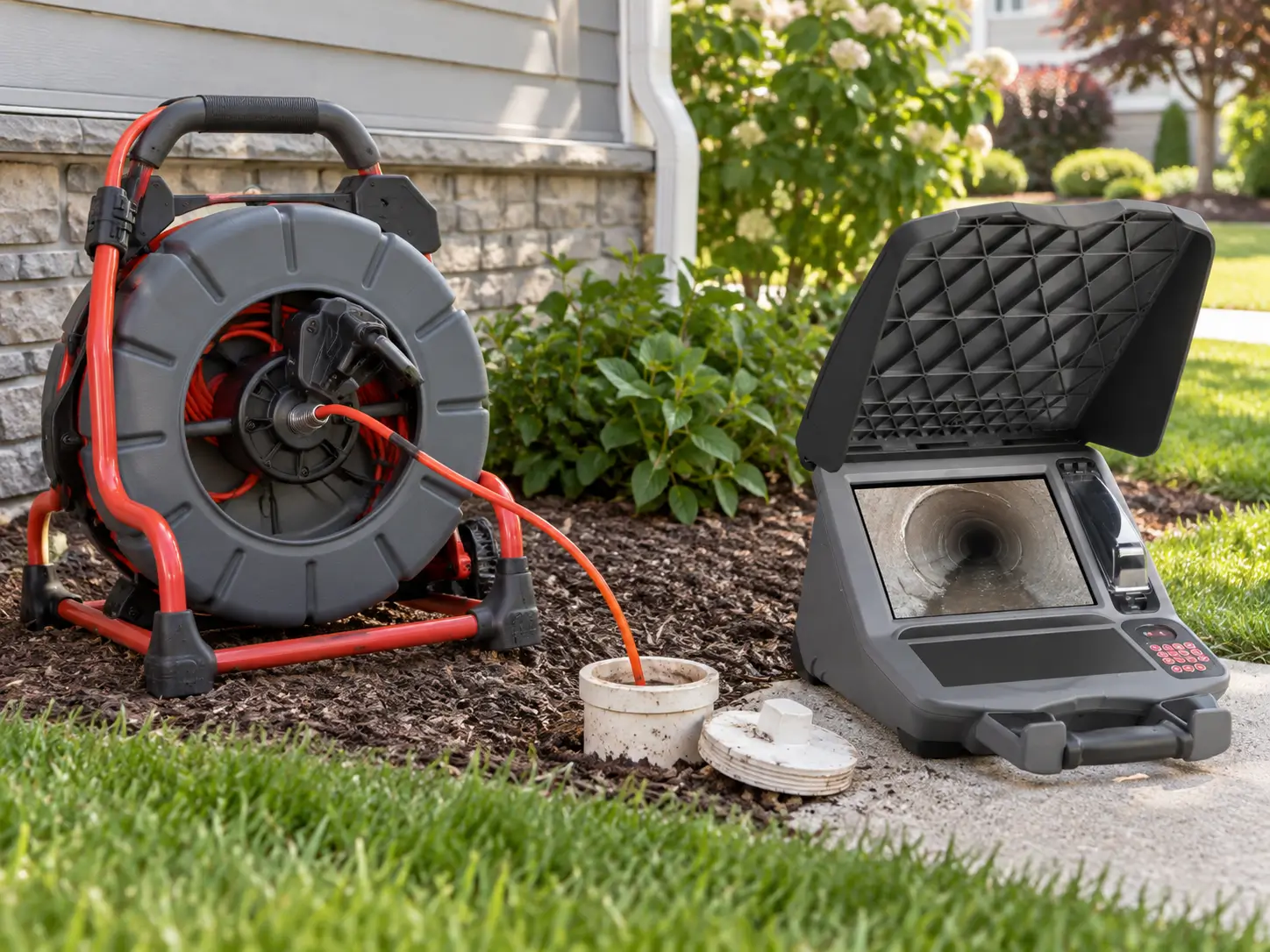
Camera diagnostics document visible conditions in the accessible portion of the line. Results can be limited by access, pipe geometry, obstructions, water level, image quality, and camera reach.
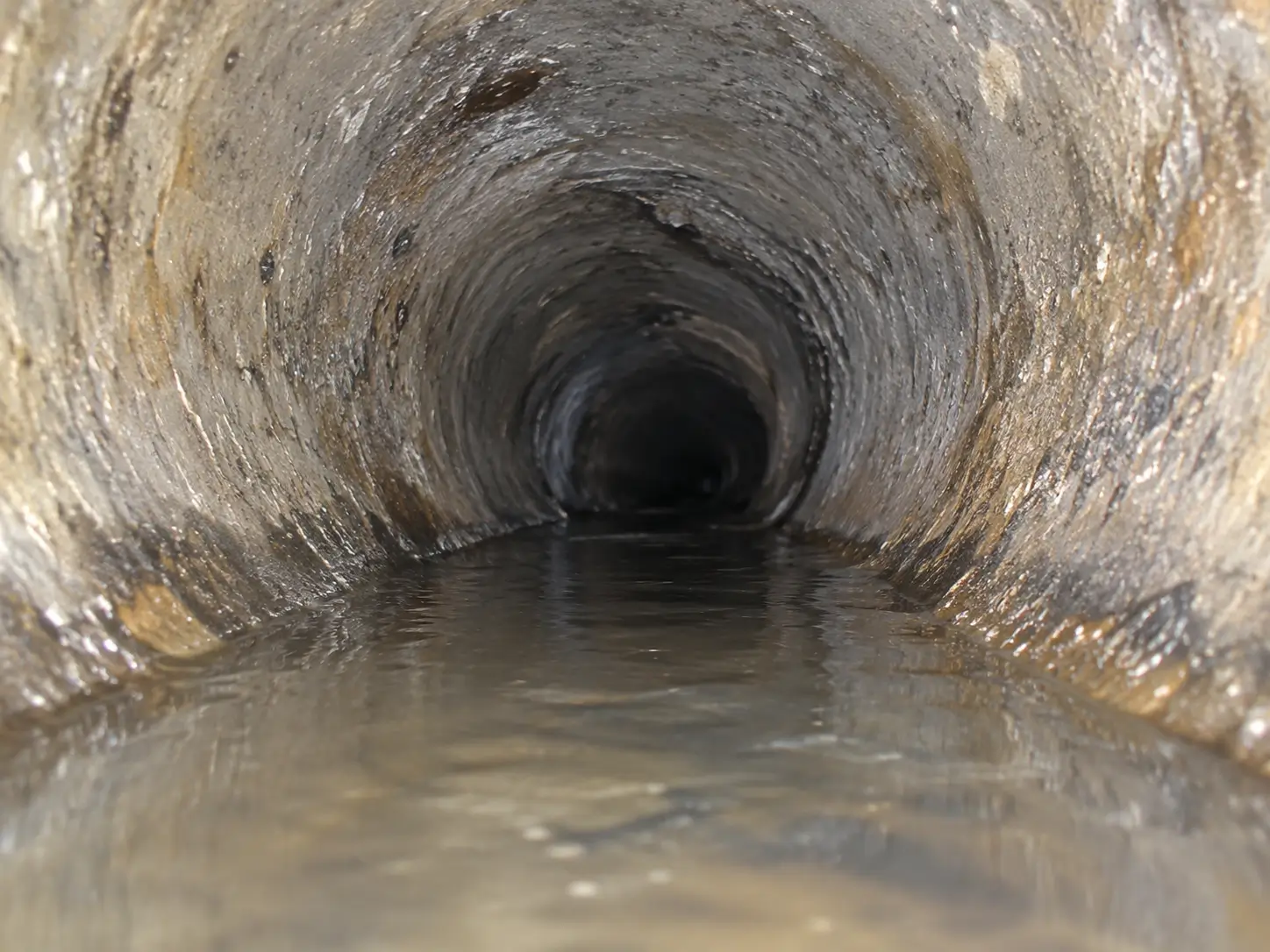
When visible in the part of the line it reached
Where a camera view stops
Defect identification also depends on image quality and on how the footage is interpreted. A clear camera path does not show that unviewed, submerged, or inaccessible sections are free of defects.
What happens on the day
The steps below describe a typical diagnosis. What yours includes depends on the line, the entry point, and the scope of work.
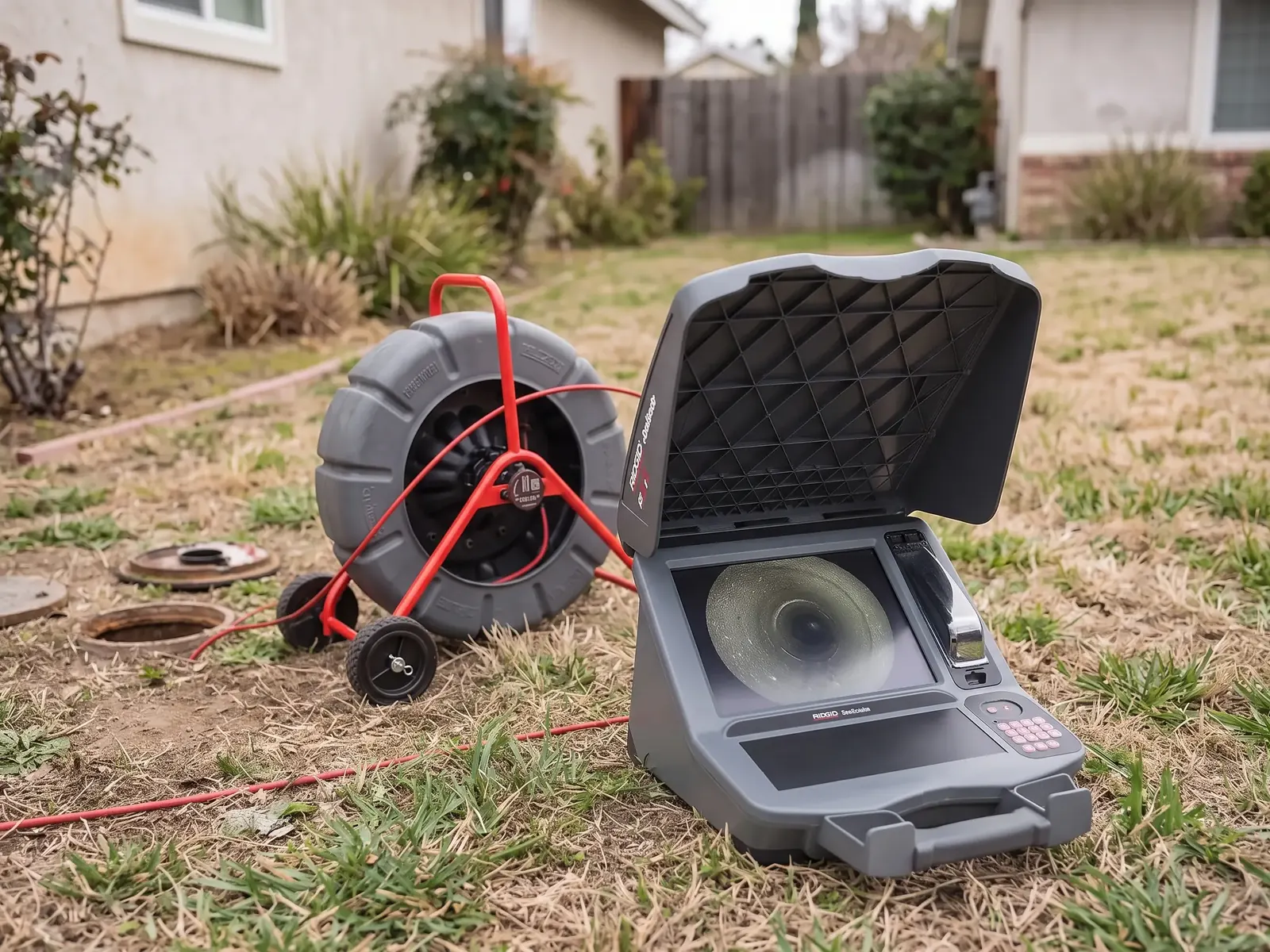
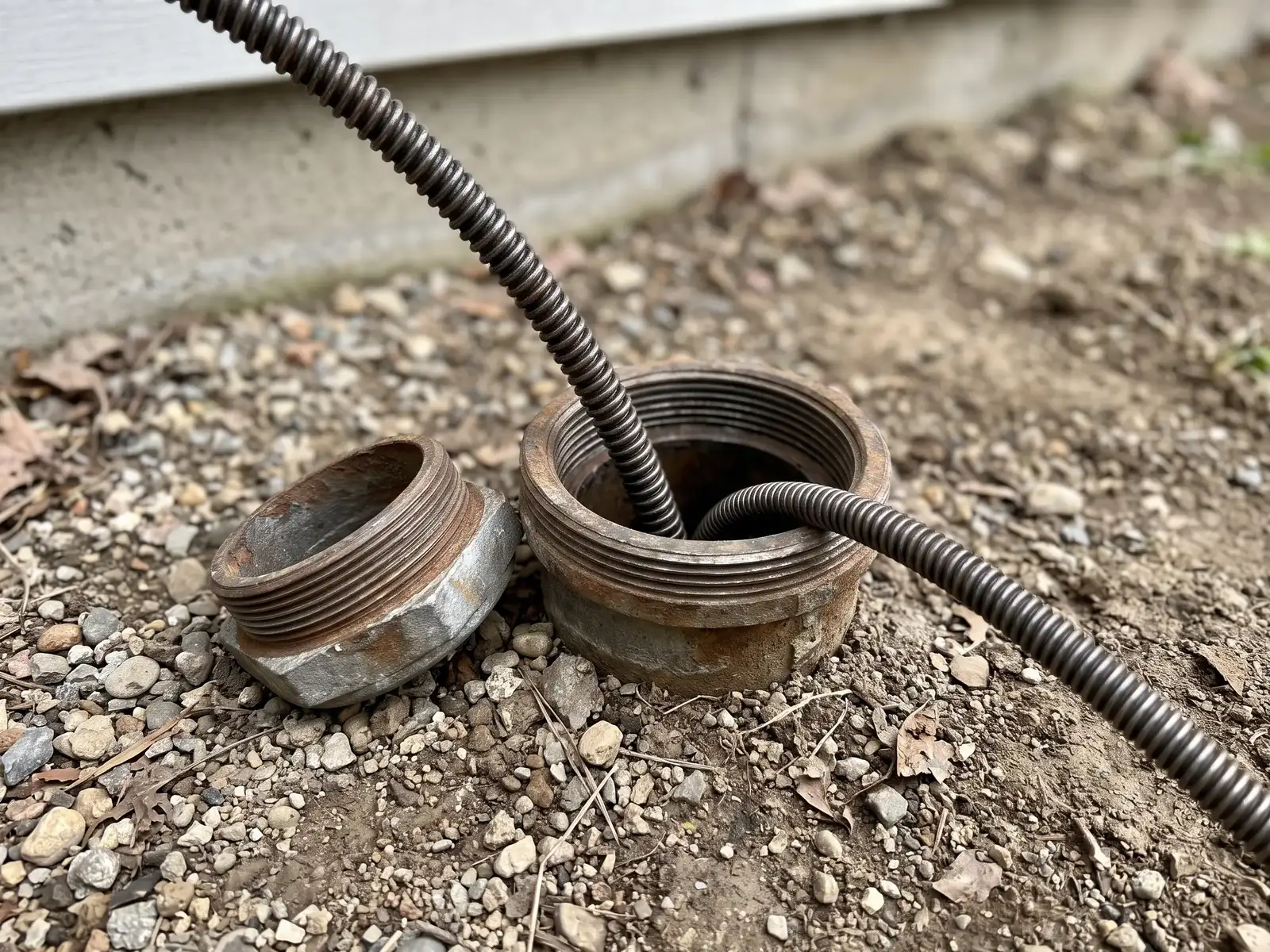
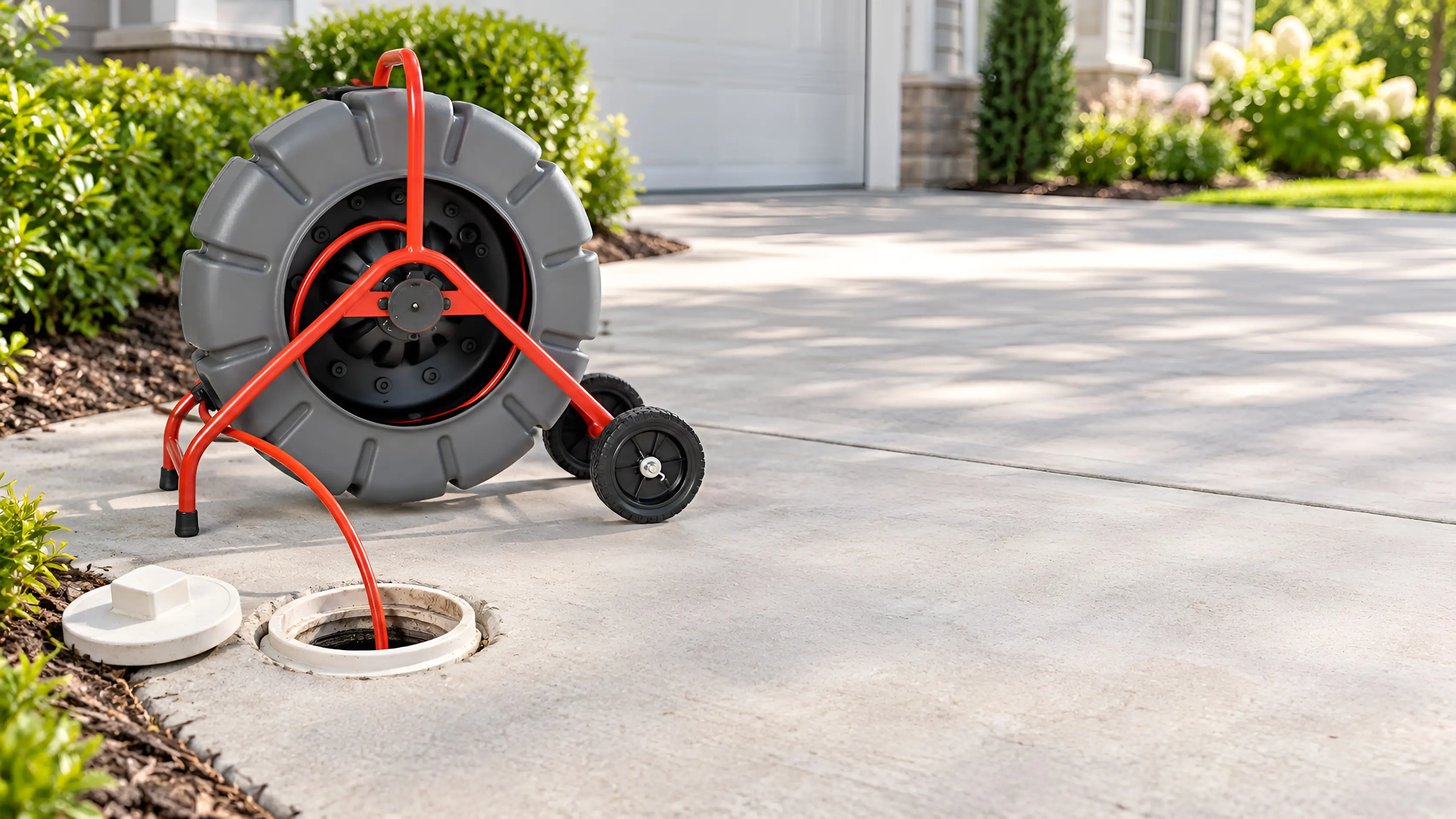
The symptoms and the available entry point are reviewed. The most common entry point is a cleanout.
A camera cannot see under water or through a blockage. If flow, standing water, or debris keeps the camera from viewing the line, cleaning may come first. The cleaning method depends on the observed line condition.
A camera is advanced downstream from the access point and the run is recorded. Where it cannot pass, that part of the line is not viewed.
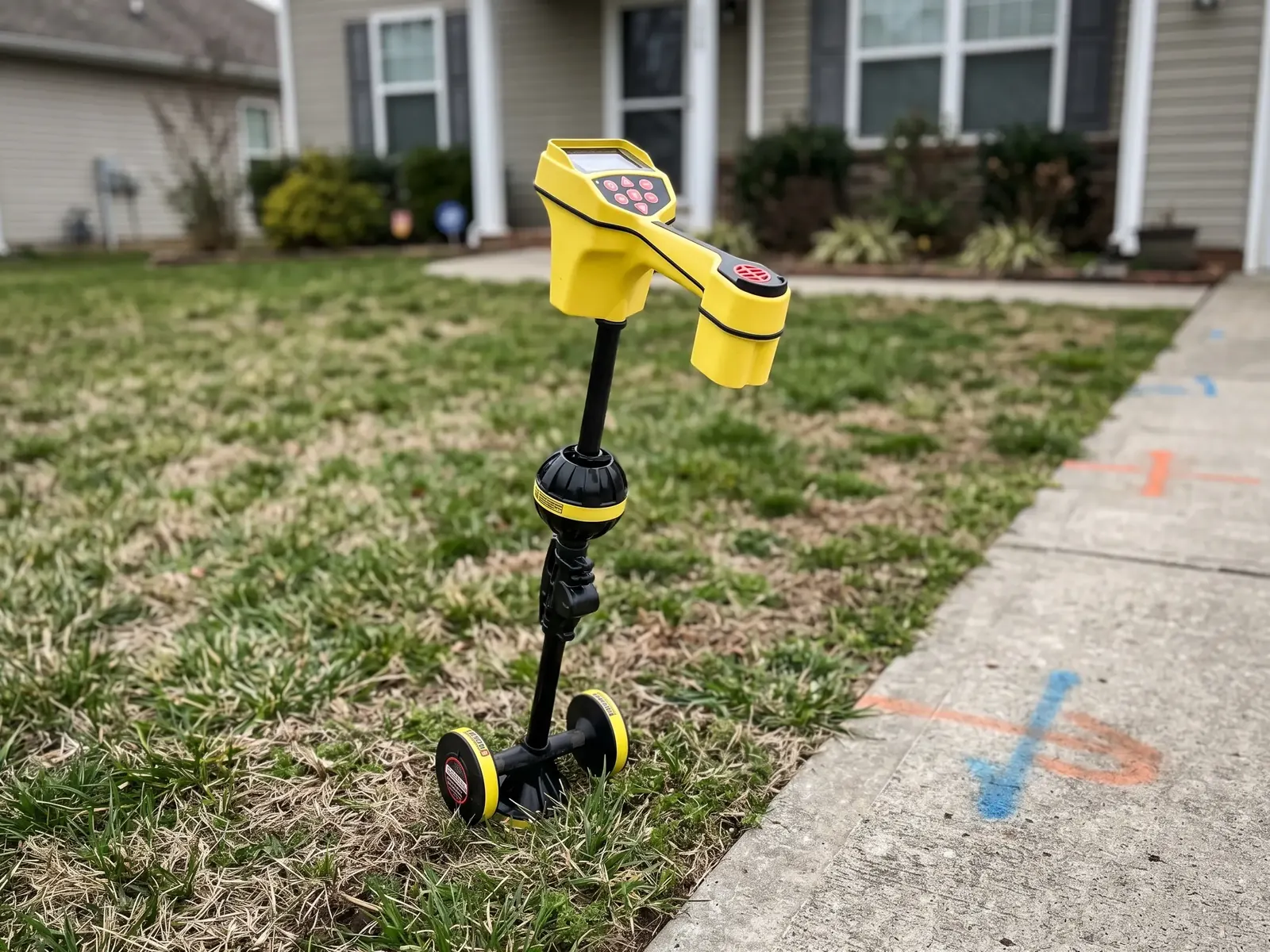
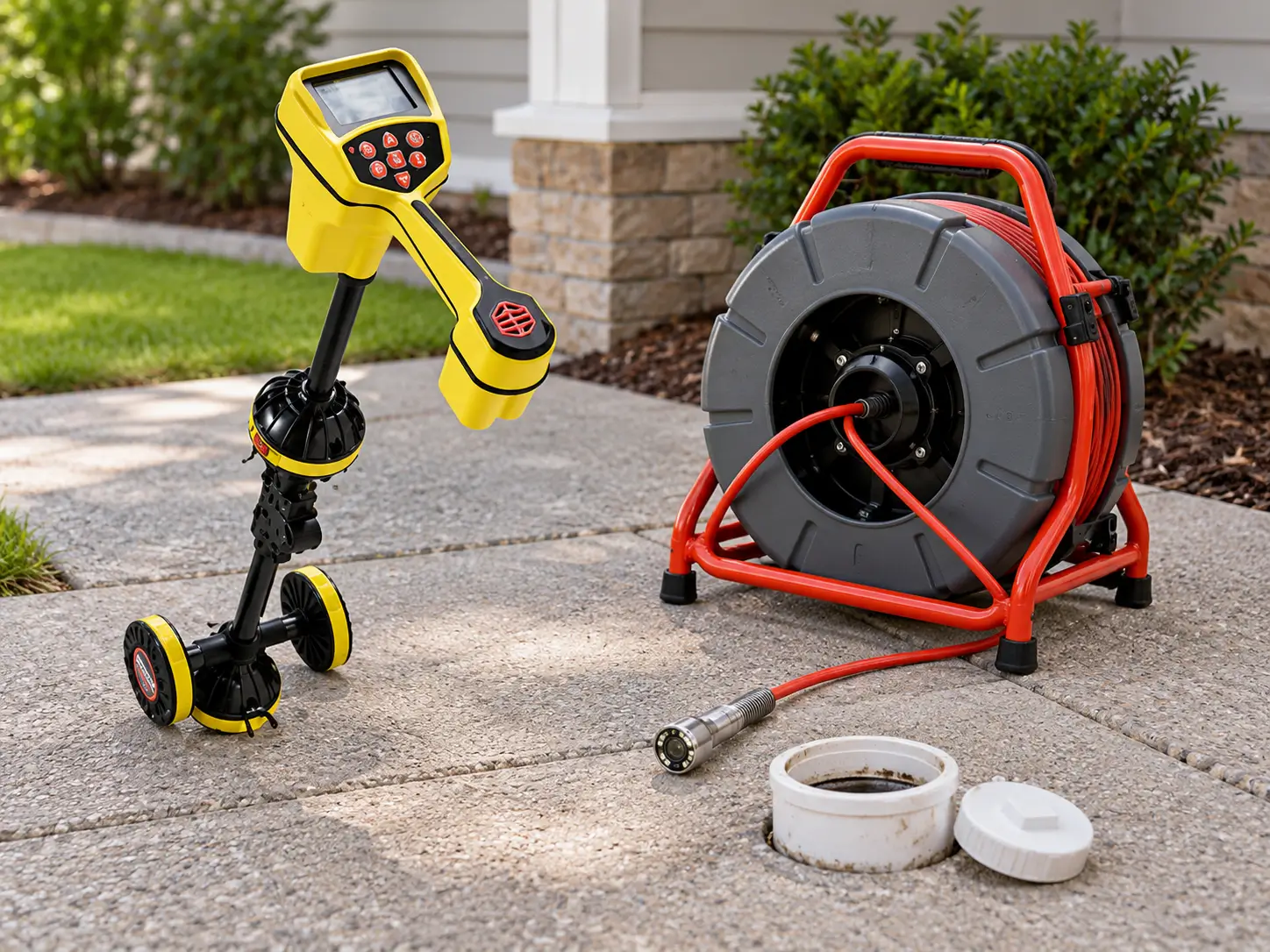
When a camera with a compatible sonde is used, a receiver at the surface can estimate where an observed point sits. Ask whether locating is part of your visit.
Written findings are included. Ask that they say what was viewed, what could not be viewed, and why.
You decide next steps with that record in hand. The Sewer Pros does not sell repair or replacement.
Which service fits
A repeat backup can need one, two, or all three. Each answers a different question.
| Service | What it does | What it does not do |
|---|---|---|
| Sewer cleaning and hydro jetting | Removes an accessible restriction such as grease, roots, sand, or debris so flow can return and the camera can see | Does not document pipe condition on its own, and does not repair defects |
| Sewer camera inspection | Documents visible conditions inside the accessible line, with recorded video | Does not clear a blockage, and does not measure slope, wall thickness, or soil support |
| Sewer line locating | Estimates the surface position and approximate depth of a point in an accessible line, such as where the camera stopped | It is an estimate, not a survey, utility clearance, or permission to dig |
Hydro jetting is condition-dependent. It is not automatically appropriate for every pipe material, blockage, or visible defect, and it does not repair pipe defects. Whether jetting, cable cleaning, or no cleaning fits your line depends on what is found. Pipe damage is possible whenever powerful cleaning equipment is used, and tools should be matched to the condition of the pipe.
Independent by design
When something blocks the view or the flow, we clear what is accessible and appropriate.
You receive the inspection video when a camera is used, and written findings.
You plan next steps with that evidence. The Sewer Pros does not sell repair or replacement.
If the footage shows a significant condition, further evaluation may be appropriate outside our cleaning and diagnostic scope. If someone has recommended costly work, ask for the evidence, get multiple written estimates, and ask why they differ. Consider showing the video to another inspection company for a second opinion before agreeing.
Before you book
What is included can vary by appointment. Ask before you book, and keep what you receive.
When a camera is used, you receive the inspection video.
Written findings are included.
Treat any depth as an estimate.
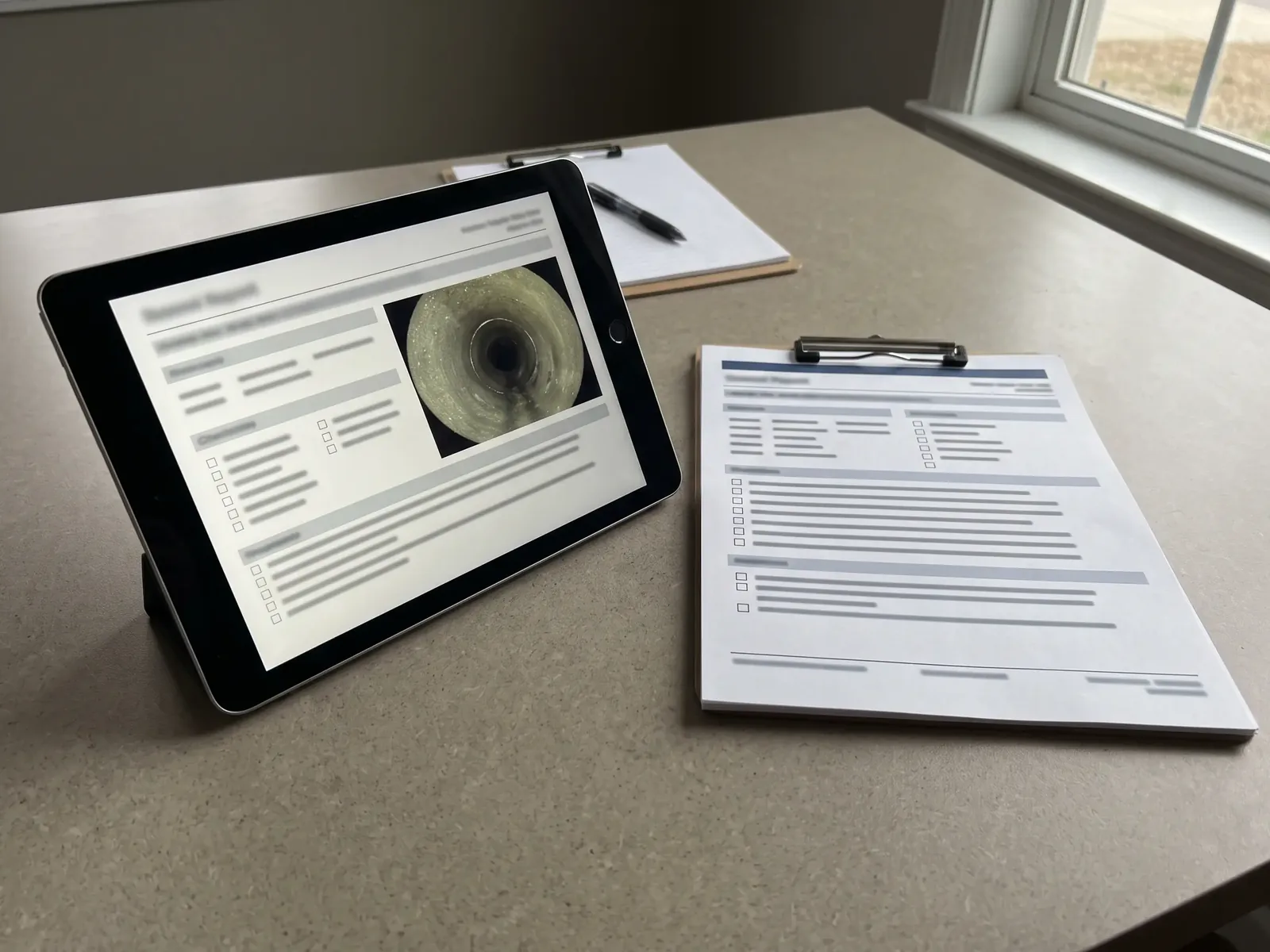
Retained video can be useful for comparison if the line changes over time, for a municipal review, and for comparing proposals before major work. Depending on local program rules or transaction requirements, it may also help in a property sale. Video does not by itself establish liability, coverage, or the need for a particular repair method.
Related situations
Keep the video, written findings, and notes with the work order and tenant communication. Tenant notice and unit entry depend on your lease and local law.
A recurring backup history matters when buying or selling. A pre-purchase sewer inspection focuses on the visible condition of the line before a purchase. Local point-of-sale requirements vary.
A sewer scope is generally a visual inspection. Treat the scope video and findings as separate documents from the home inspection, subject to your contract and disclosure requirements. We do not give legal advice.
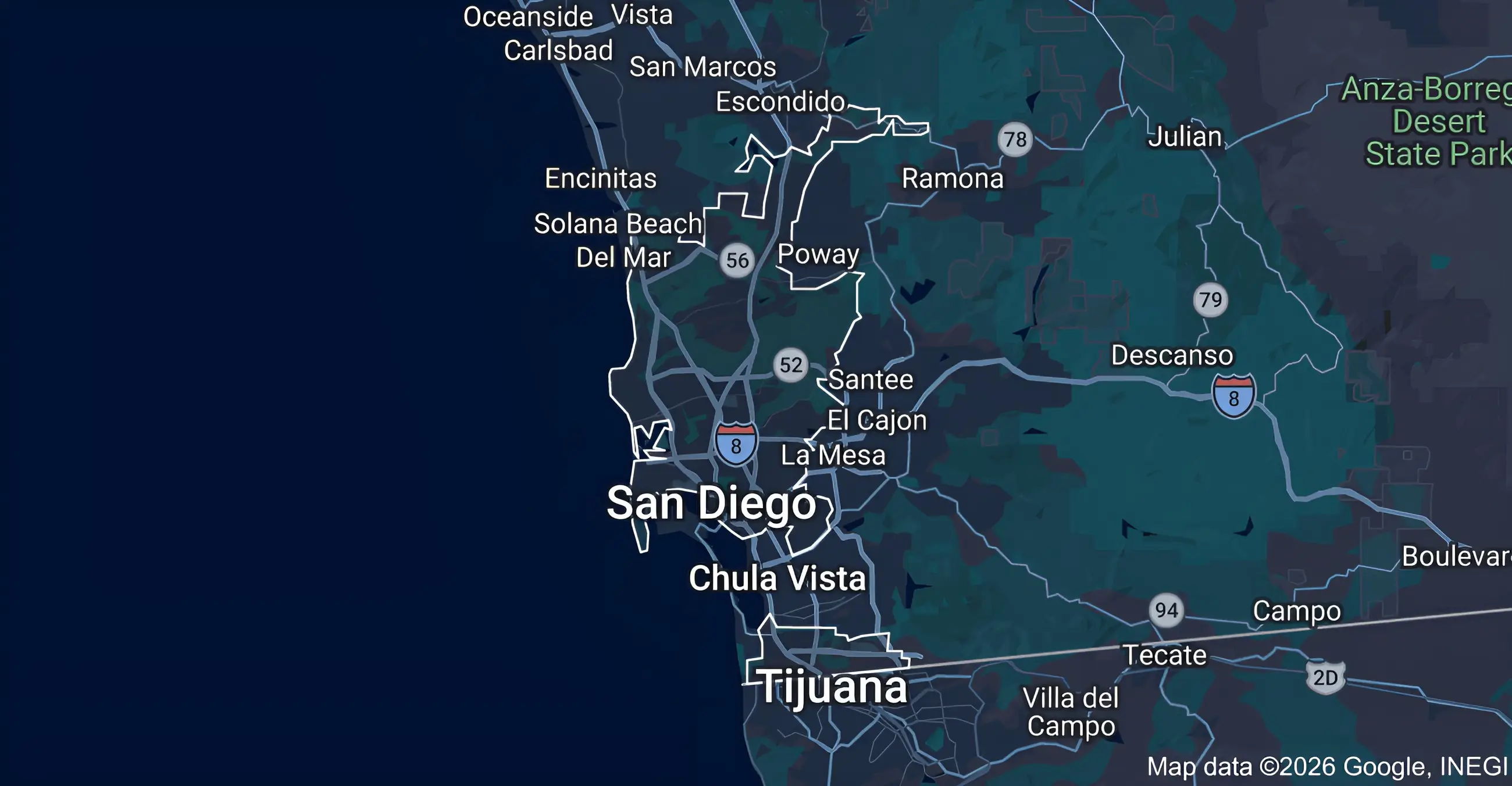
Service areas
Choose your market for local service details and scheduling options.
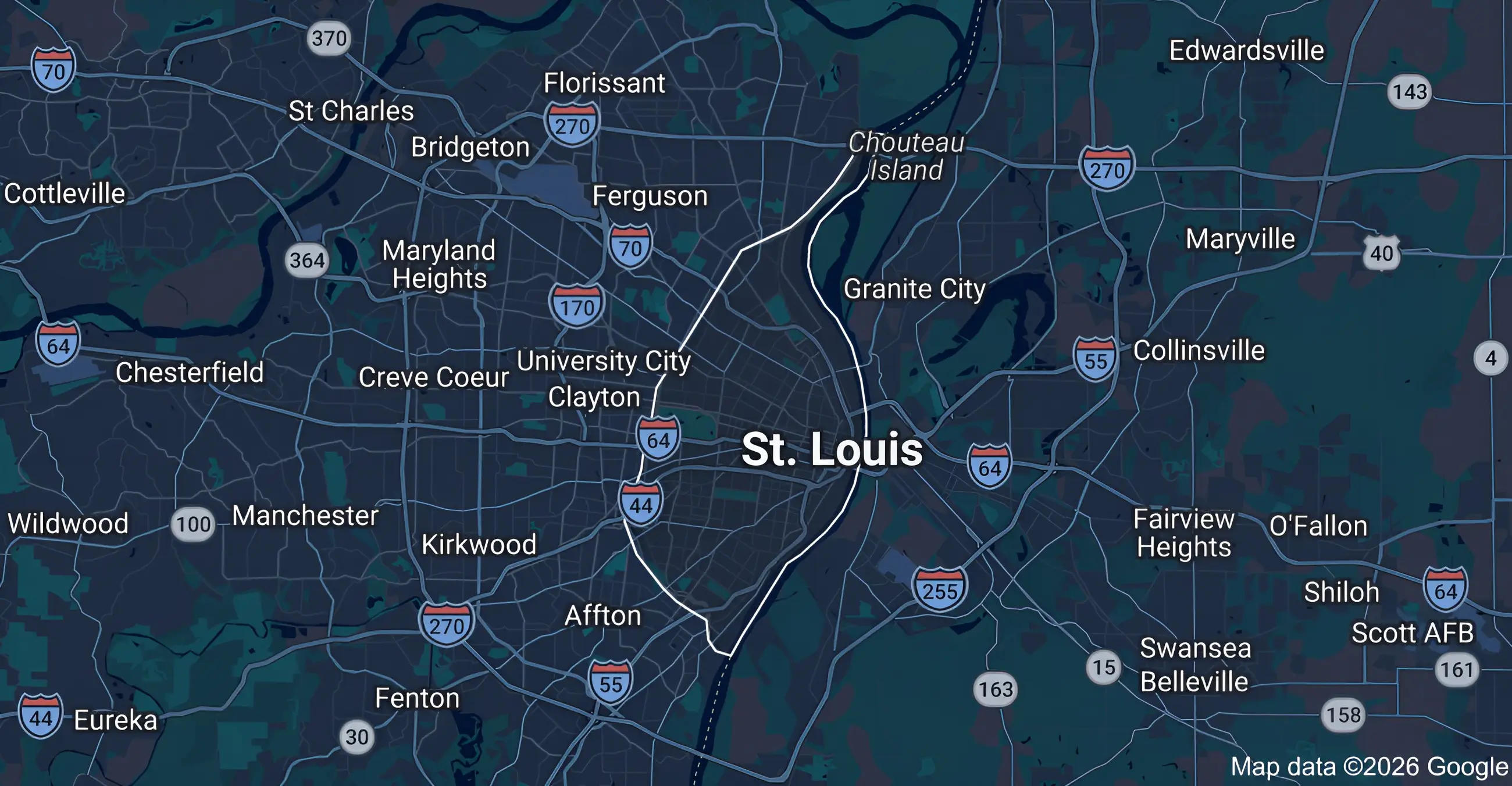
Residential sewer diagnostics across the St. Louis area.
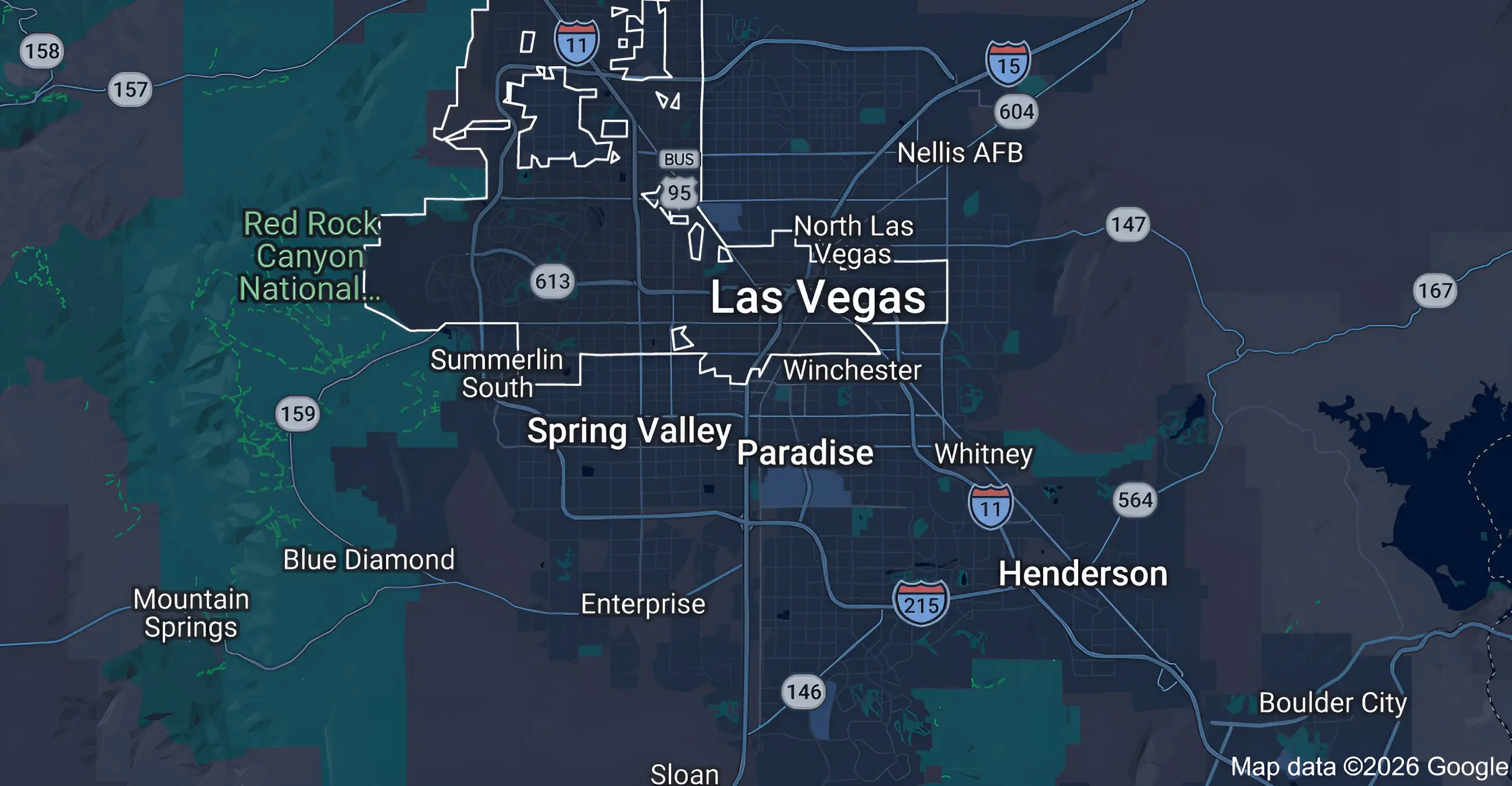
Residential sewer diagnostics across the Las Vegas Valley.
4.9 out of 5from 595 Google reviews · as of
Questions
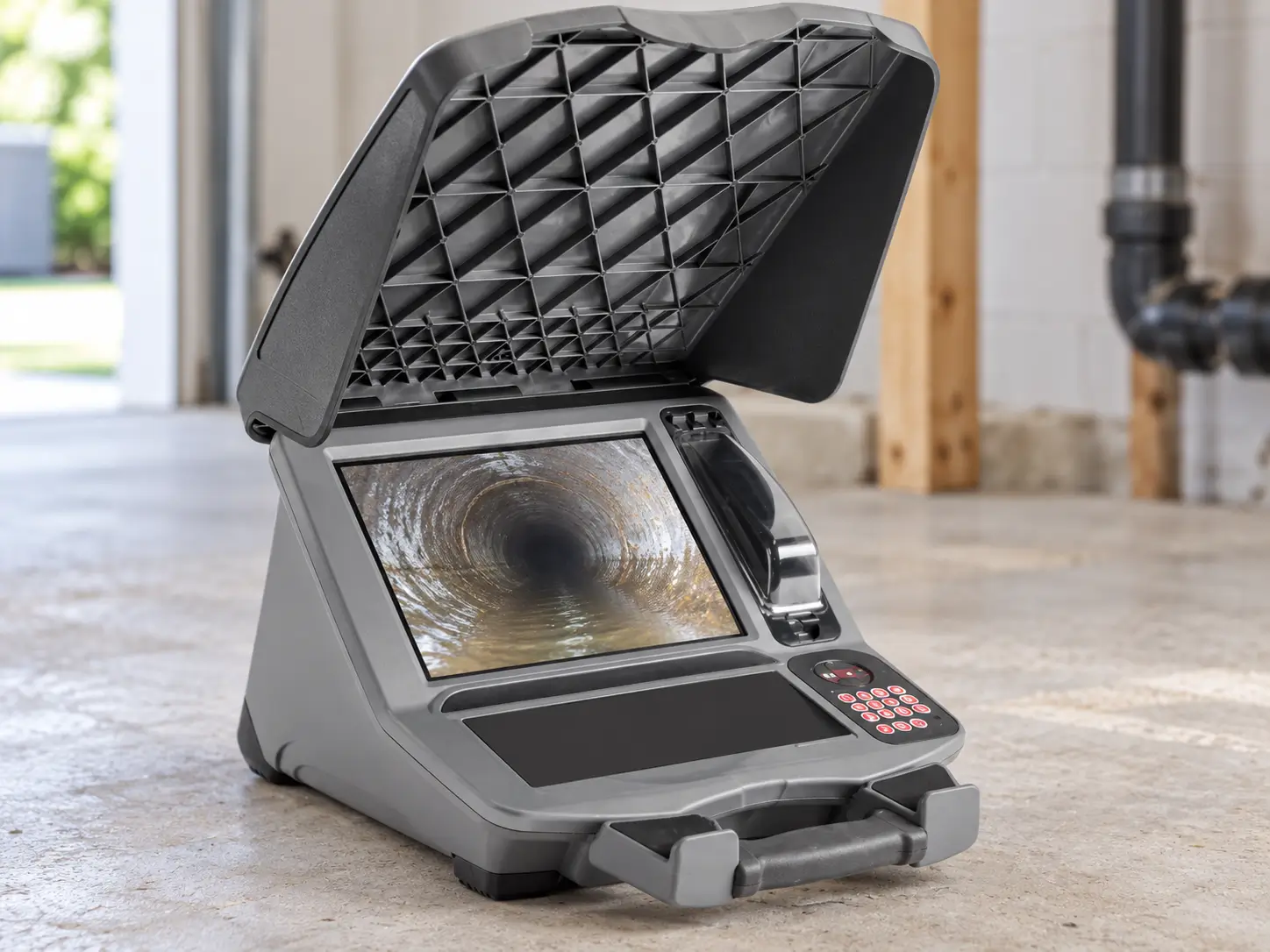
What a camera may show, and what it cannot confirm.
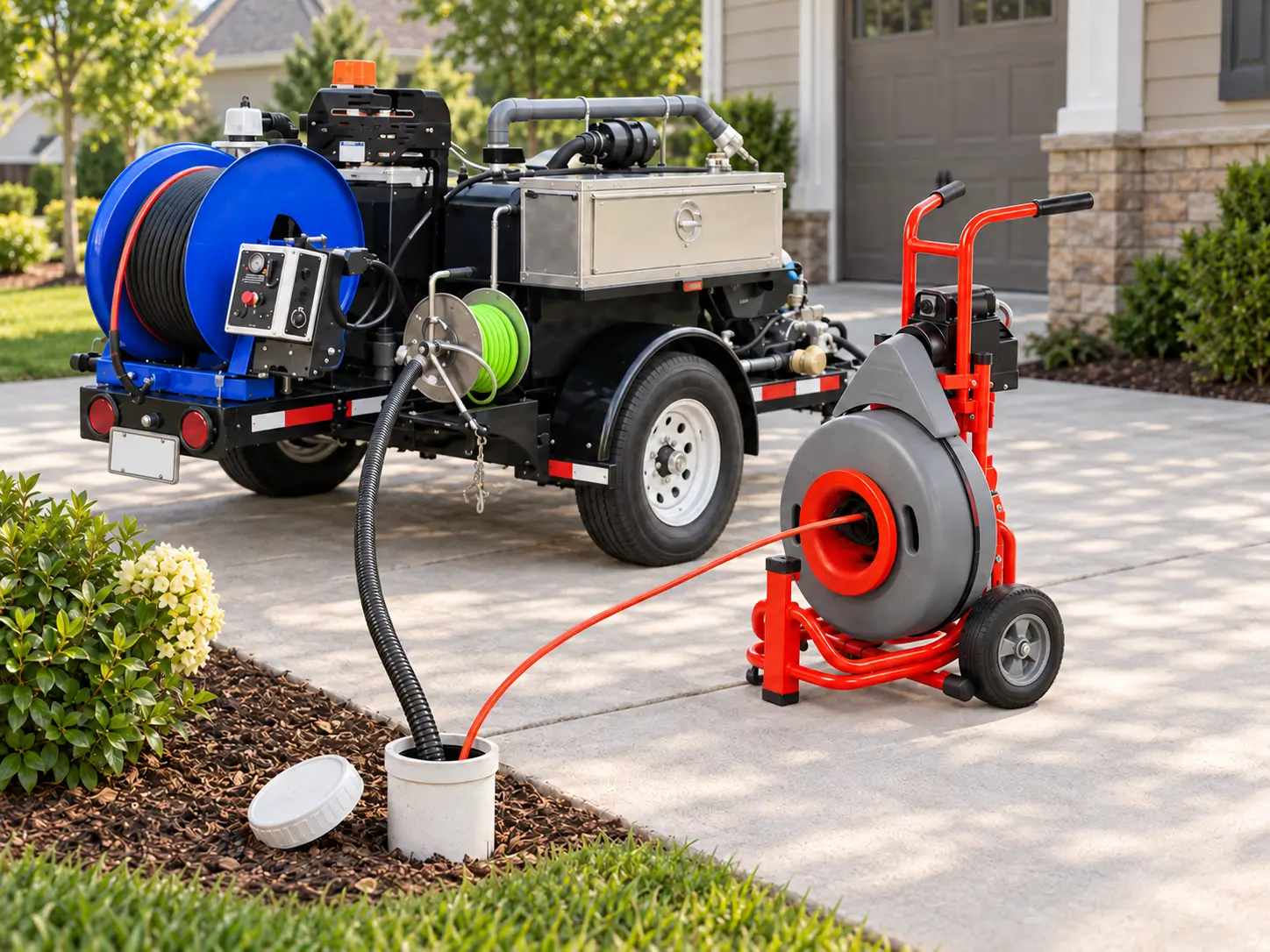
Review visible line conditions and address an appropriate restriction when warranted.
A focused look at the line before you buy.
Request service
Choose your service area and tell us what keeps happening. Ask about a free estimate before scheduling.
This service is designed for accessible residential sewer and drain lines. Equipment selection and available service depend on the entry point, pipe size, line condition, and scope of work. We provide cleaning, camera diagnostics, and line locating only. We do not provide sewer repair, replacement, lining, excavation, or pipe installation.
Step 1 of 4