
Inspect
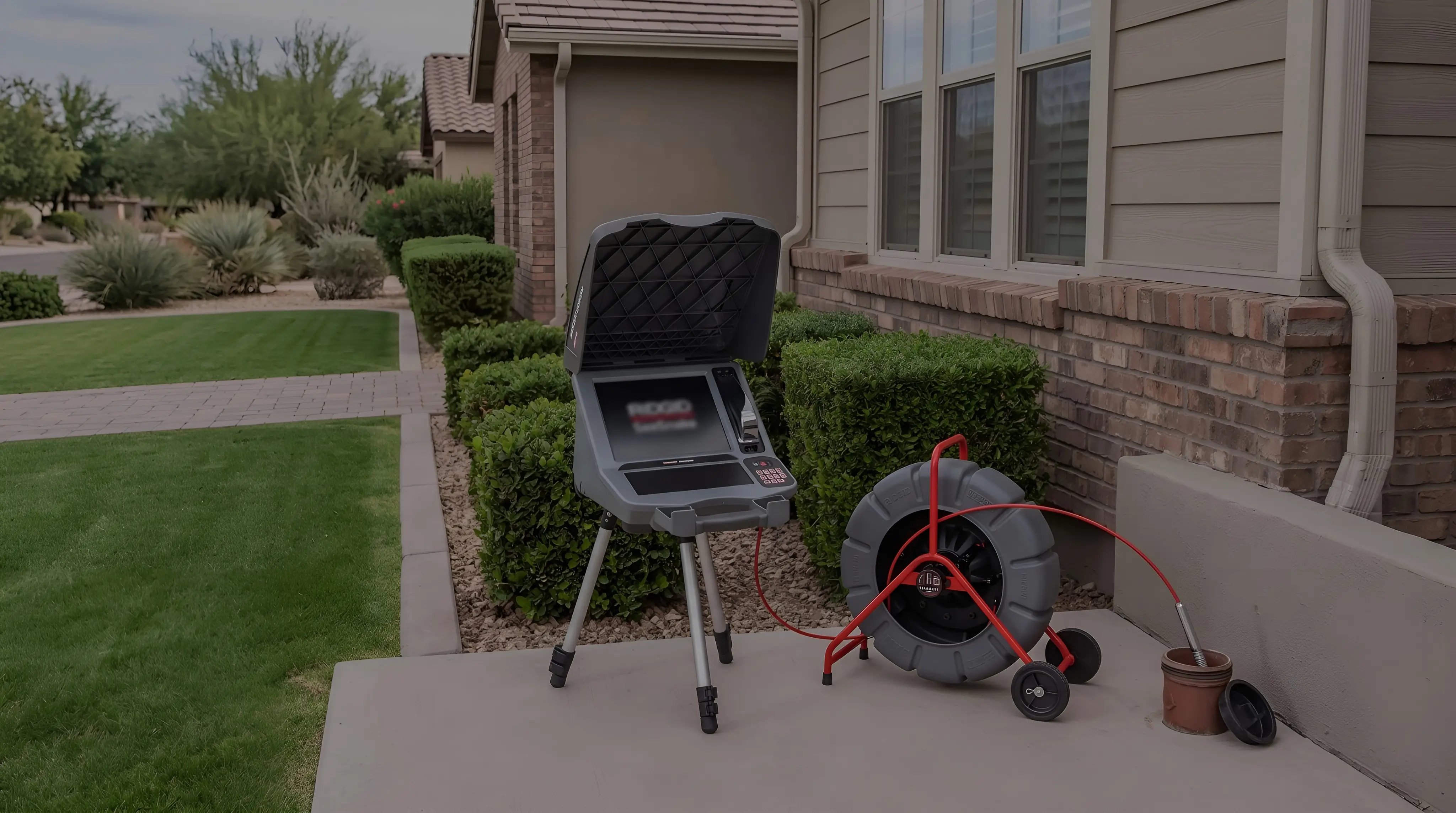
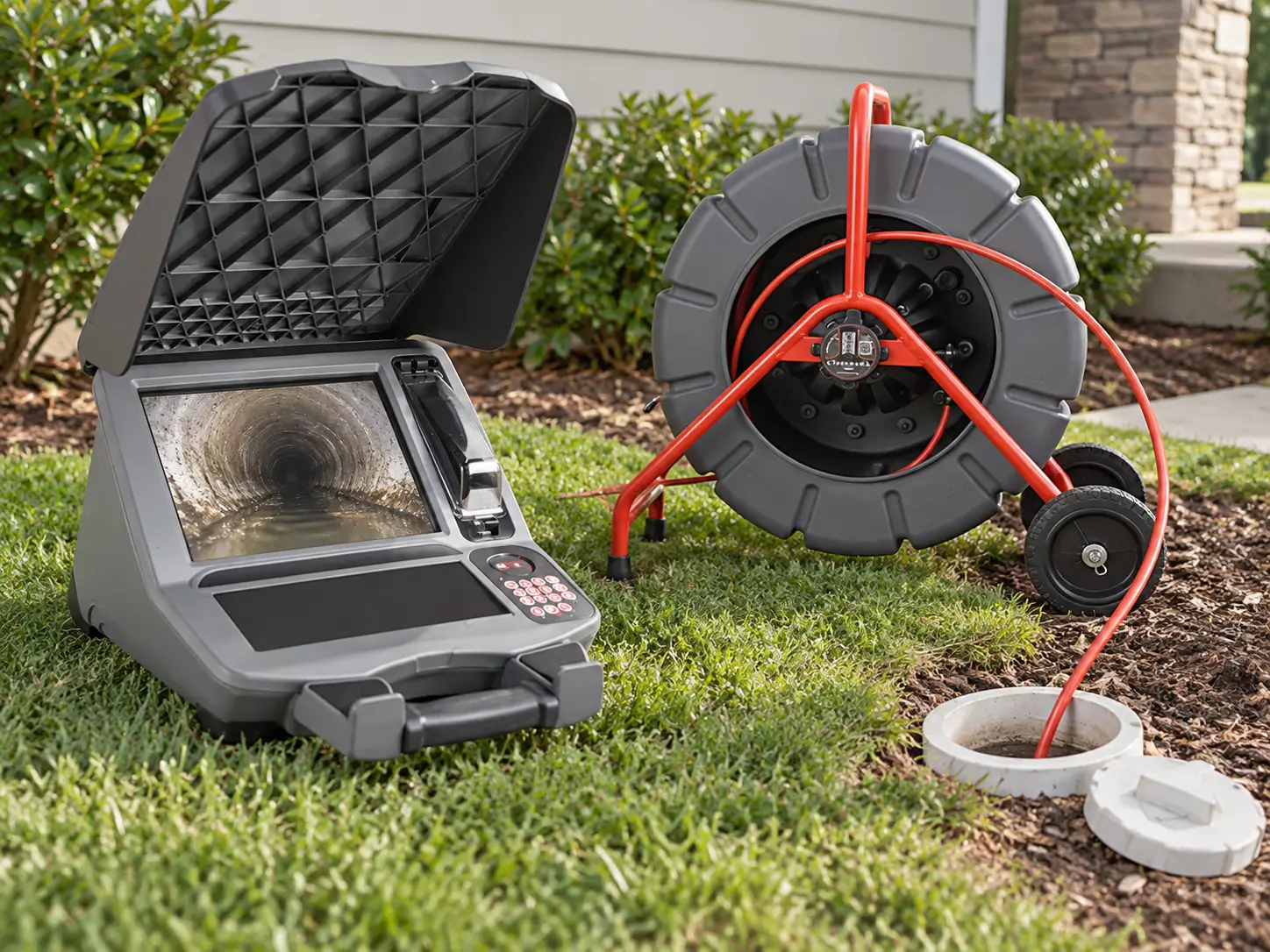
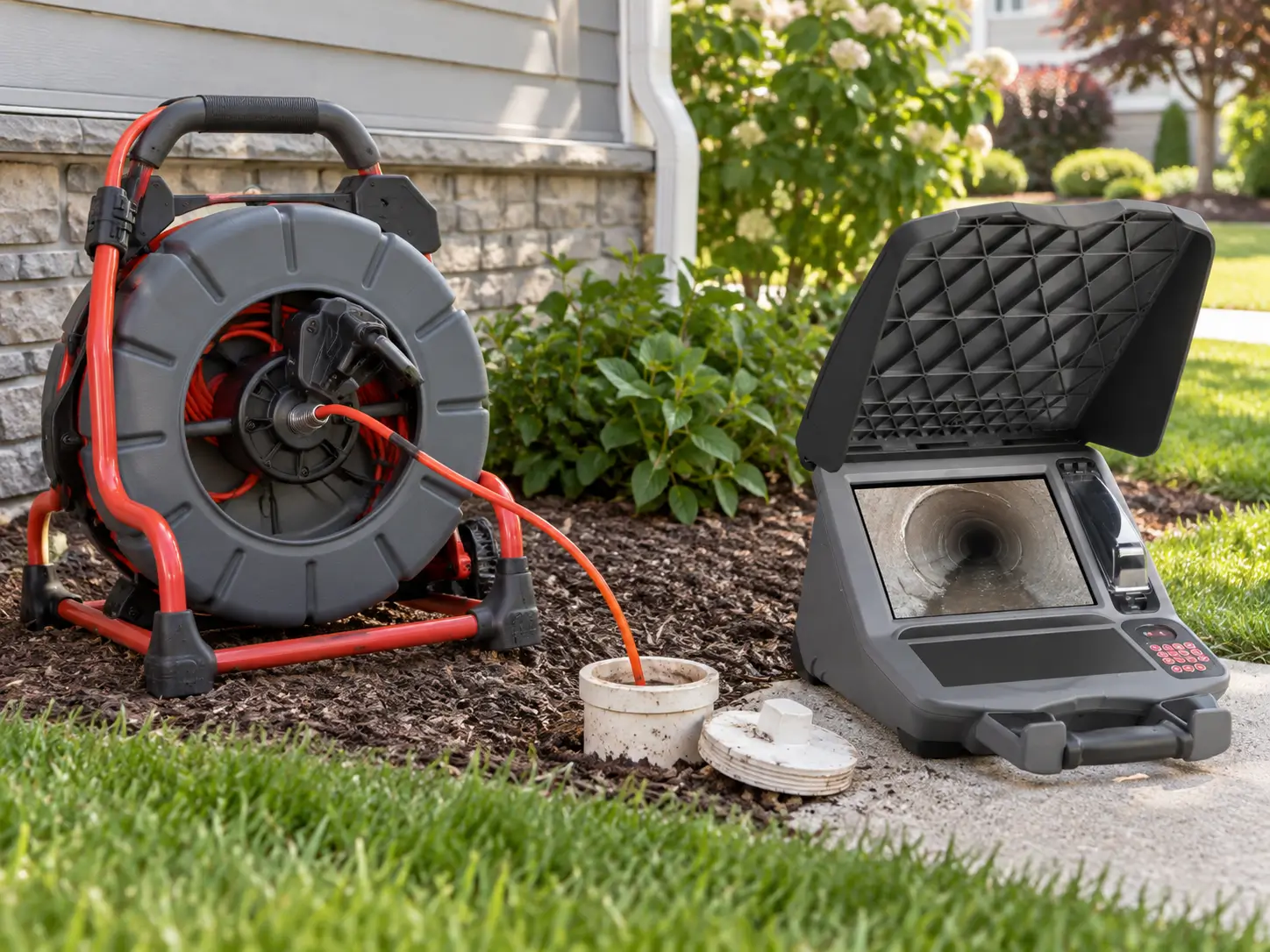
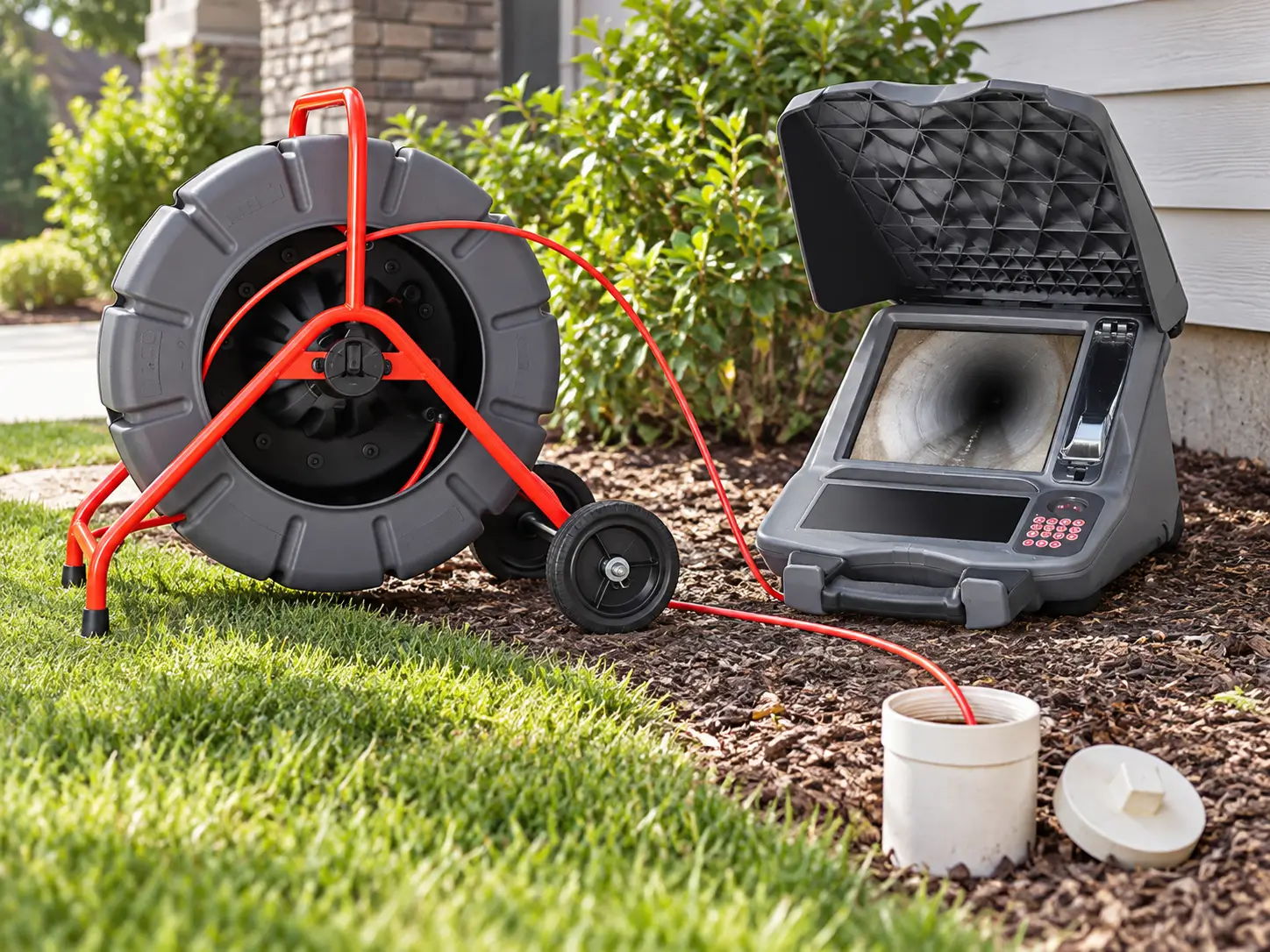
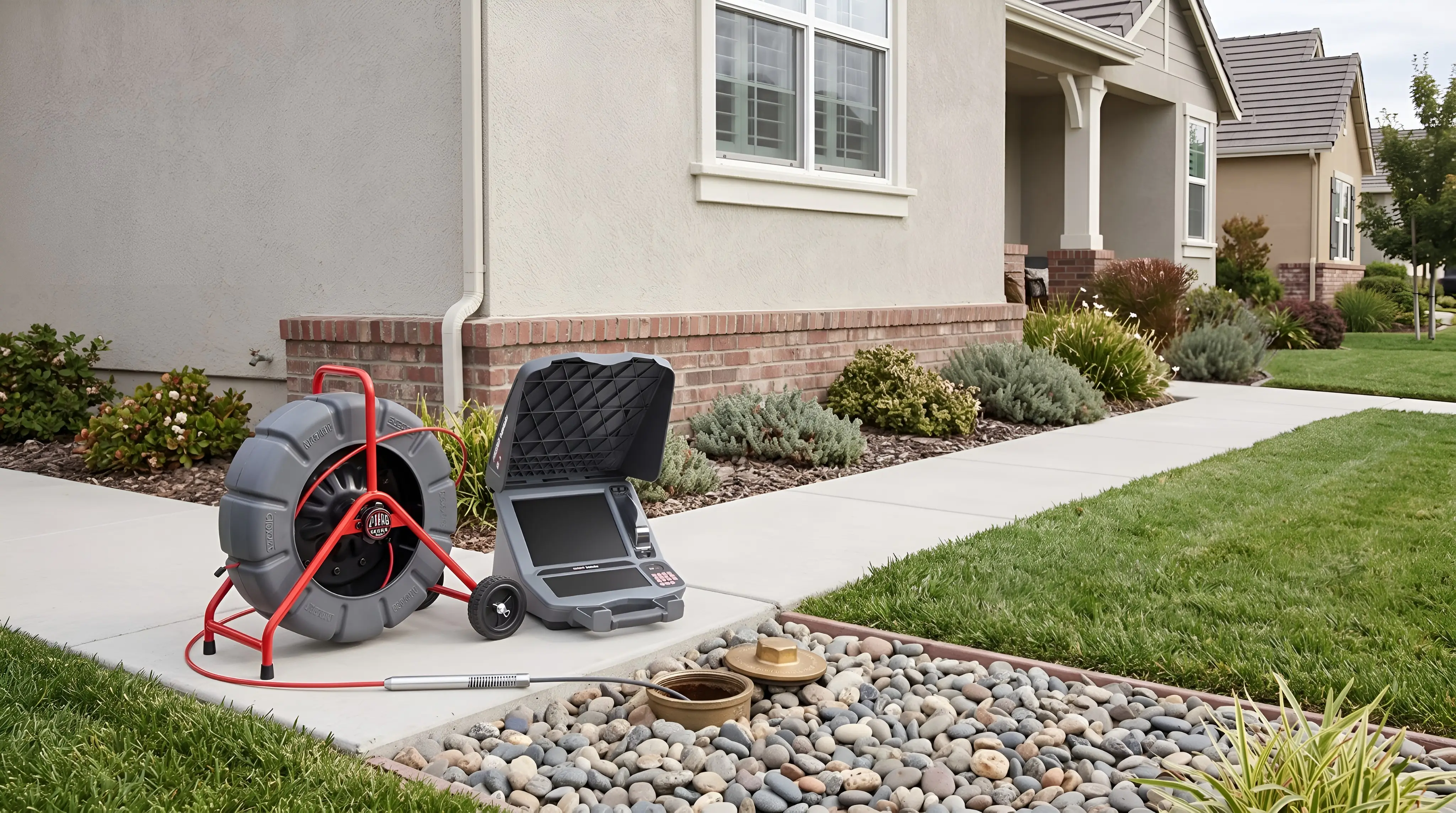
We use RIDGID sewer camera equipment to examine the line for blockages, roots, damage, offsets, standing water, and other visible conditions.
Residential sewer and drain service
Clear what can be cleared, and see what the line looks like. Sewer cleaning removes buildup that restricts flow. A camera inspection shows the visible inside of the line. A camera may be used before cleaning, after cleaning, or both, depending on the line.
We provide cleaning, camera diagnostics, and line locating only. We do not provide sewer repair, replacement, lining, excavation, or pipe installation.
Service
Sewer Cleaning & Camera Inspection
Step 1 of 4
The short answer
Sewer cleaning removes grease, roots, deposits, debris, and other material that restricts flow in an accessible sewer line. A sewer camera inspection, sometimes called a sewer scope, shows the visible inside of that line. They are separate services that can be combined. Cleaning can make the pipe easier to see, and a camera can show what the cleaning achieved. Neither one repairs the pipe.
A camera may be used before cleaning, after cleaning, or both, when the line can be viewed. What a visit includes depends on the line, the entry point, and the scope of work.
This page covers accessible private-property residential sewer and drain lines, not public sewer mains.
Signs to look into
These signs can be associated with a restriction or a pipe condition. They do not prove a cause. If only one fixture is affected, drain cleaning may be the better fit. If the cause is unclear, a camera inspection alone may be a better starting point.
When more than one fixture is slow at the same time, the restriction may be farther downstream than a single fixture’s drain.
Gurgling can accompany restricted flow. It can also come from a venting issue, so it does not point to one cause on its own.
A clog that returns after clearing may mean buildup, roots, or debris remain, or that a pipe condition is involved. Cleaning followed by a camera look can help show which.
This can indicate a blockage in the sewer line. If sewage is actively backing up into your home, contact us to discuss the situation.
Persistent odors can be associated with a drainage or sewer-line problem. The source should be assessed rather than assumed.
Water standing at or rising to a cleanout can indicate a restriction in the line. It does not show where the restriction is.
Evidence and its limits
Depending on the line condition and what the camera can reach and see, an inspection may document the conditions below. Water level, debris, bends, lighting, and the technician’s interpretation all affect what can be seen and how it is described.
A line that flows again, or a video that looks clear, is not proof that the whole line or the ground around it is in good condition. Cleaning and structural condition are separate questions.
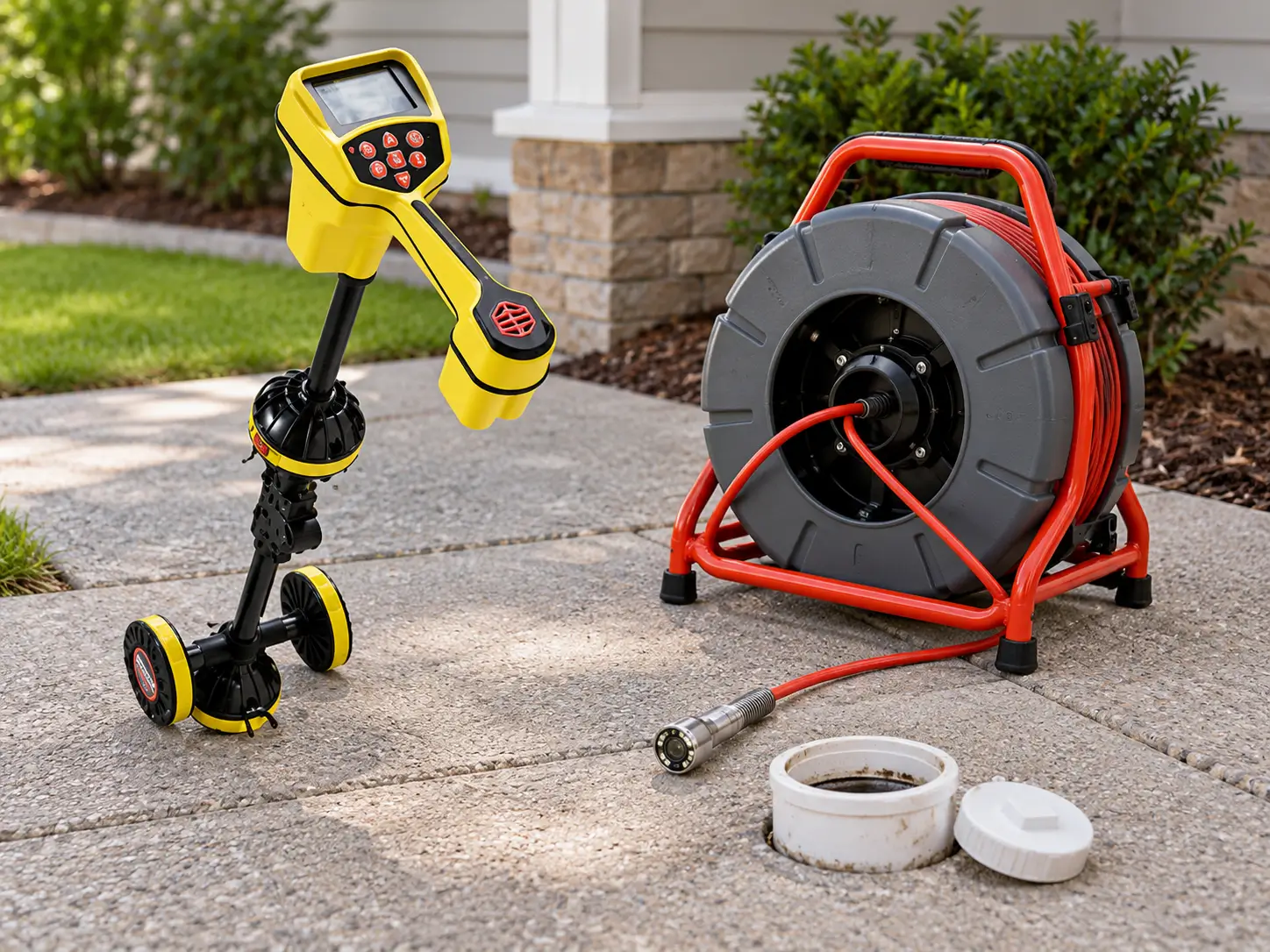
Line locating is a separate service. When it is in the scope of work and the equipment supports it, a camera sonde and a compatible receiver can help estimate the surface position of a point in the line. A locate is approximate. It is not a survey, utility clearance, or an exact depth. Sewer line locating
What happens on the day
The steps below describe a typical visit. How long it takes depends on line length, access, bends, debris, standing water, and how much cleaning the line needs.
The technician identifies an accessible entry point, commonly a cleanout.
The entry point, pipe size, reported symptoms, and what equipment can be used are considered.
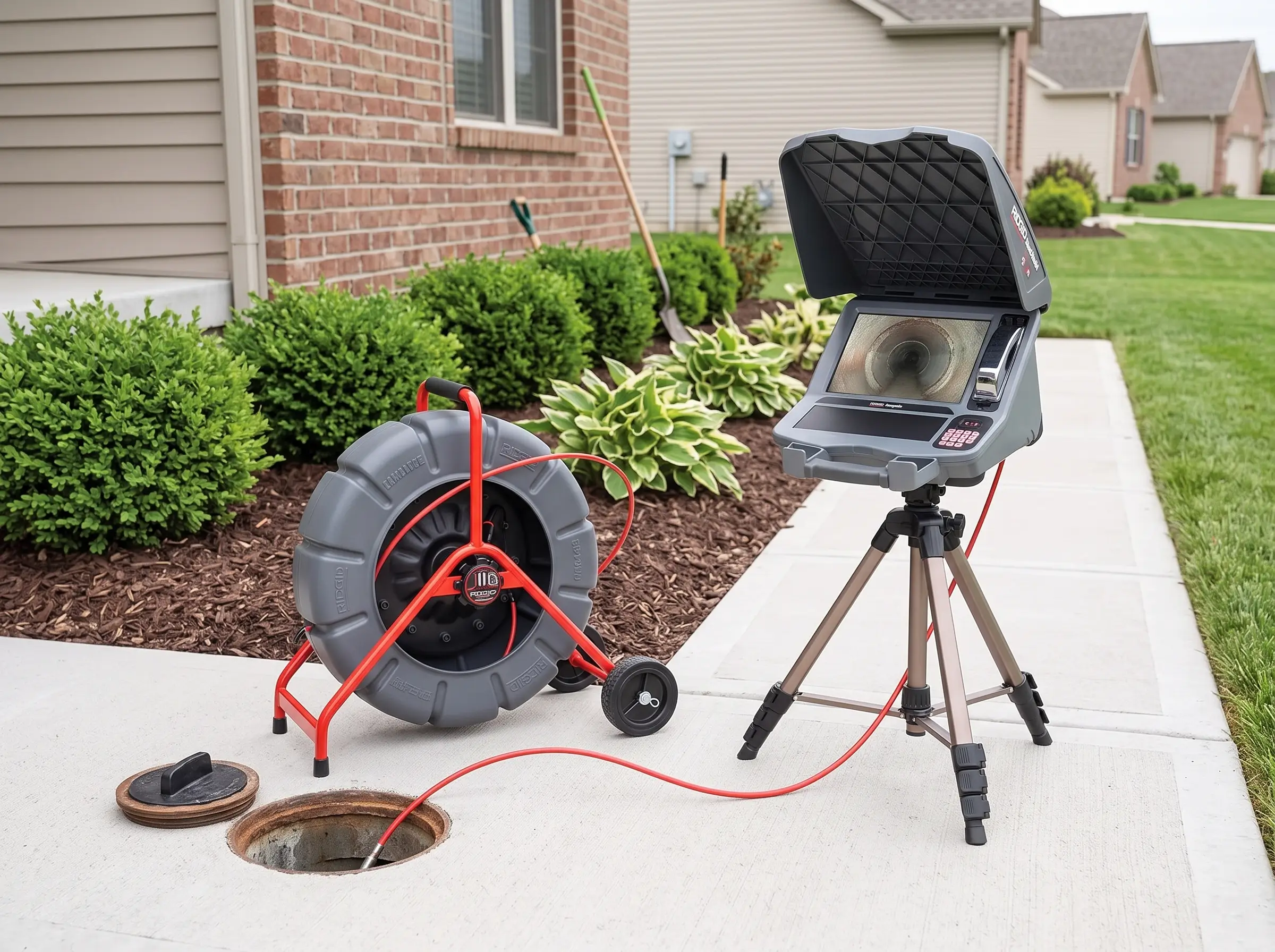
A camera may show what is in the line before cleaning and help choose the method. If the line is blocked and full of water, the camera cannot see under the water, and cleaning may have to come first. Our equipment includes the SeeSnake CS12x and the SeeSnake Standard Camera Reel with TruSense.
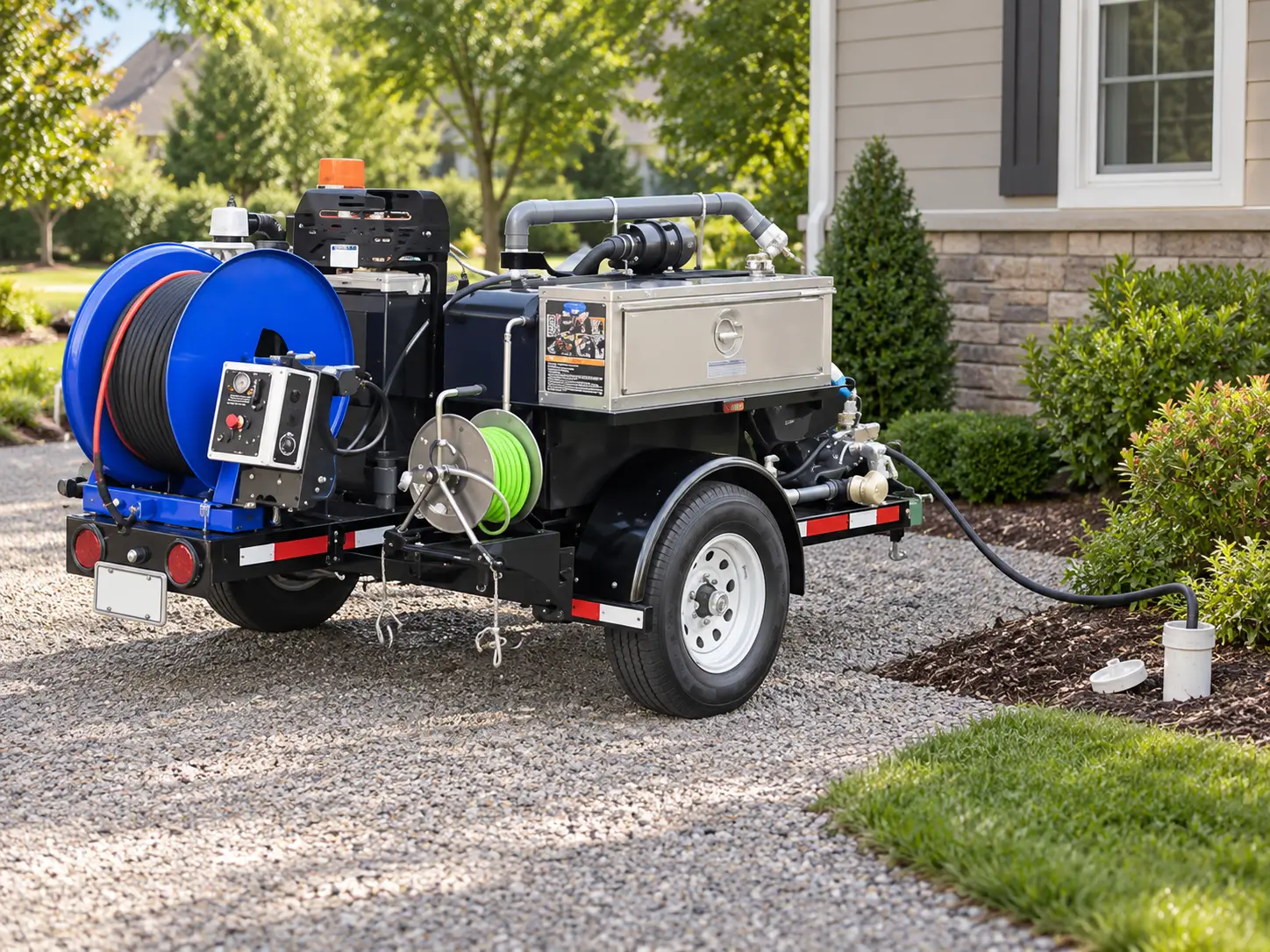
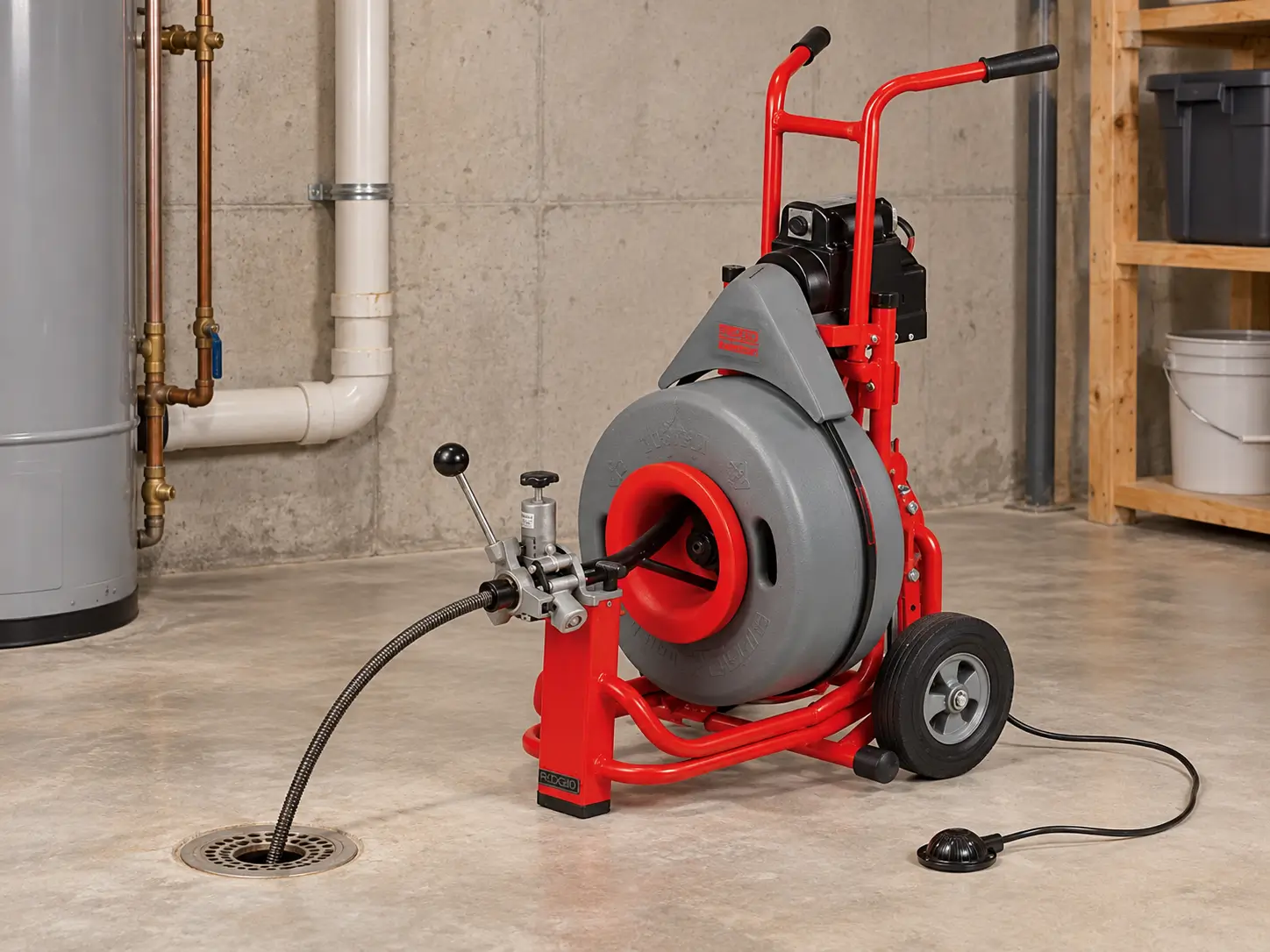
Hydraulic or mechanical equipment is used to address the restriction, in as many passes as the line calls for.
A camera may be used again to see what the cleaning achieved and to note any part of the line it could not reach. When a camera is used, you receive the inspection video and written findings.
Order of work
There is no single required order. A camera first can show what is in the line and help choose the method. Cleaning first may be needed when the line is blocked or full of water, because a camera cannot see under water. A camera after cleaning can show what the cleaning achieved.
Providers differ, so ask which order applies to your visit.
Independent sewer inspection & second opinions
A sewer backup or major repair recommendation can make a costly decision feel urgent. The Sewer Pros inspects and documents the condition inside your sewer line so you can understand what is actually happening before you approve cleaning, excavation, lining, or replacement.
Because we do not perform sewer repairs or replacements, we do not profit from selling you the work. Our role is to inspect and document visible conditions, explain what we found in plain language, and give you an honest opinion you can use to make the next decision.
Already received a repair recommendation? Bring us in for an independent second opinion before you sign off on major work.
We use RIDGID sewer camera equipment to examine the line for blockages, roots, damage, offsets, standing water, and other visible conditions.
We inspect and document visible conditions inside the line, so you are not forced to rely only on a verbal repair recommendation.
Use the findings to determine whether the issue calls for cleaning, monitoring, a repair estimate, or another qualified opinion, without pressure to buy a repair from us.
Do not approve a major sewer repair based only on a sales-driven recommendation. The Sewer Pros does not repair or replace sewer lines, by design, so we have no repair contract to sell. Get a documented second opinion before you approve the expense.
Which service fits
| Service | Purpose | May fit when |
|---|---|---|
| Sewer Cleaning & Camera Inspection (this page) | Addresses an appropriate restriction and reviews visible line conditions | A problem keeps returning, or several fixtures are affected |
| Sewer cleaning | Removes buildup and obstructions that restrict flow in an accessible sewer line | Flow is restricted by grease, roots, debris, or similar material |
| Hydro jetting | Uses pressurized water for suitable cleaning applications | More substantial buildup or recurring drainage issues, when the line is a suitable candidate |
| Sewer camera inspection | Shows visible conditions inside an accessible line. It does not clear a restriction. | The cause or condition of the line is unclear |
| Drain cleaning | Restores drainage at affected fixtures and branch lines | Clogs or slow drains at one fixture |
| Sewer line locating | Estimates the path of an underground line. A locate is approximate. | You need to know where the line runs |
| Recurring sewer backup diagnosis | Investigates why a line keeps backing up | A backup returns after clearing |
Before you book
When a camera is used, you receive the inspection video and written findings. Other details can vary by appointment, so ask before you book, and keep what you receive.
When a camera is used, the inspection video is included. Keep your copy.
Written findings are included. Ask that they note any part of the line the camera could not reach, and why.
Ask which entry point was used and where along the line conditions were seen.
Ask what method was used and whether a camera review followed the cleaning.
Ask whether the findings use a standardized coding system, and whether locating is part of the visit.
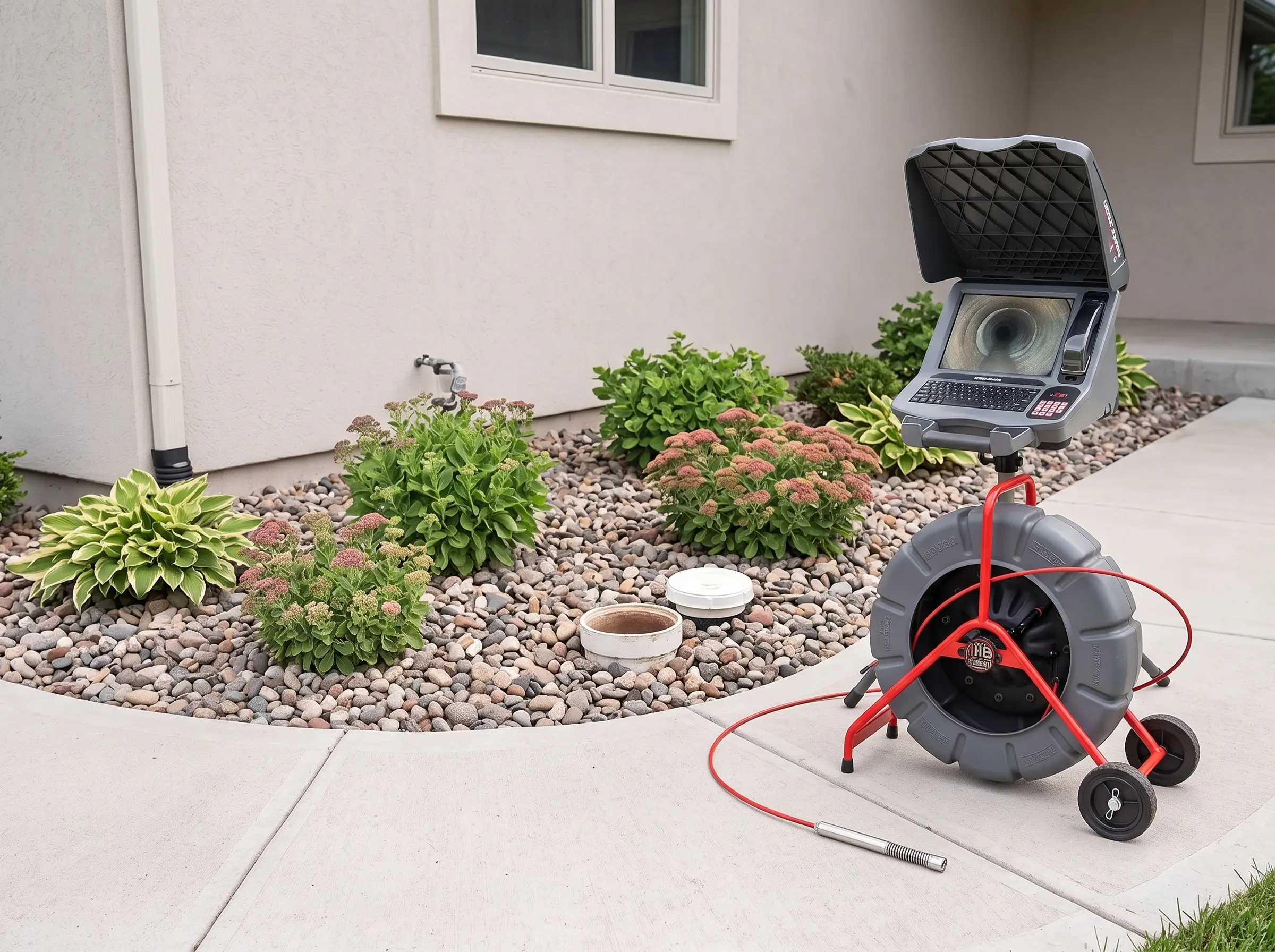
The video and written findings are useful as a later reference. If someone recommends costly work, you can ask another company to review the video.
A camera finding is a visible observation. It is not a repair recommendation, and it does not by itself set a scope of work.
A report can describe a condition without using a standardized coding system. Standardized coding exists, and it is not used on every inspection.
Residential property owners and buyers who want a line cleaned and looked at, rather than only one or the other.
A slow or recurring drainage problem, or a line you want looked at after it has been cleared.
A sewer line can be hard to judge from the surface. A camera can document visible conditions in the accessible line, and cleaning may be needed first for the camera to see. Local requirements and timelines vary.
Home buyer sewer inspectionsService areas
Choose your market for local service details and scheduling options.
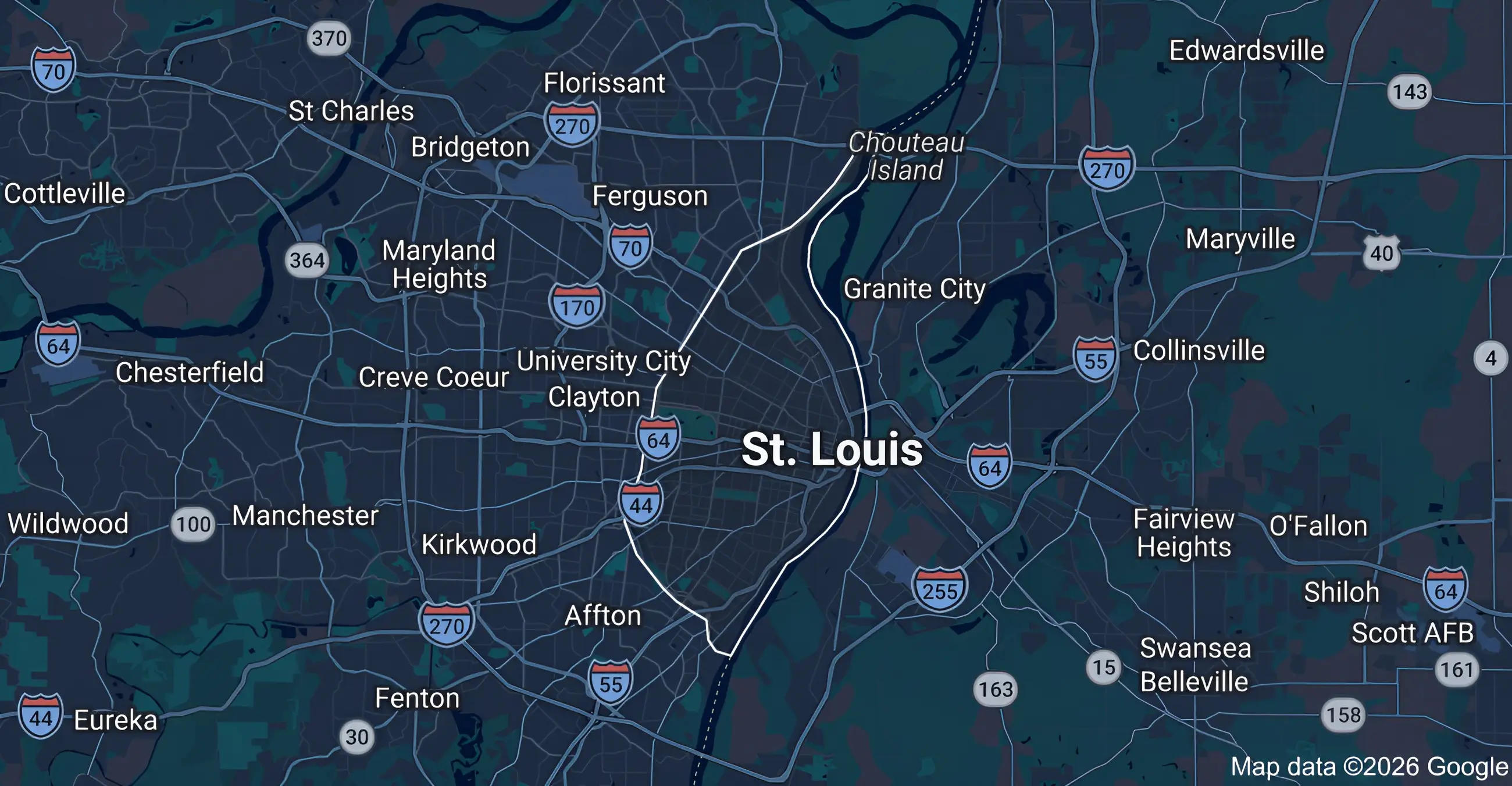
Residential sewer cleaning and camera inspection across the St. Louis area.
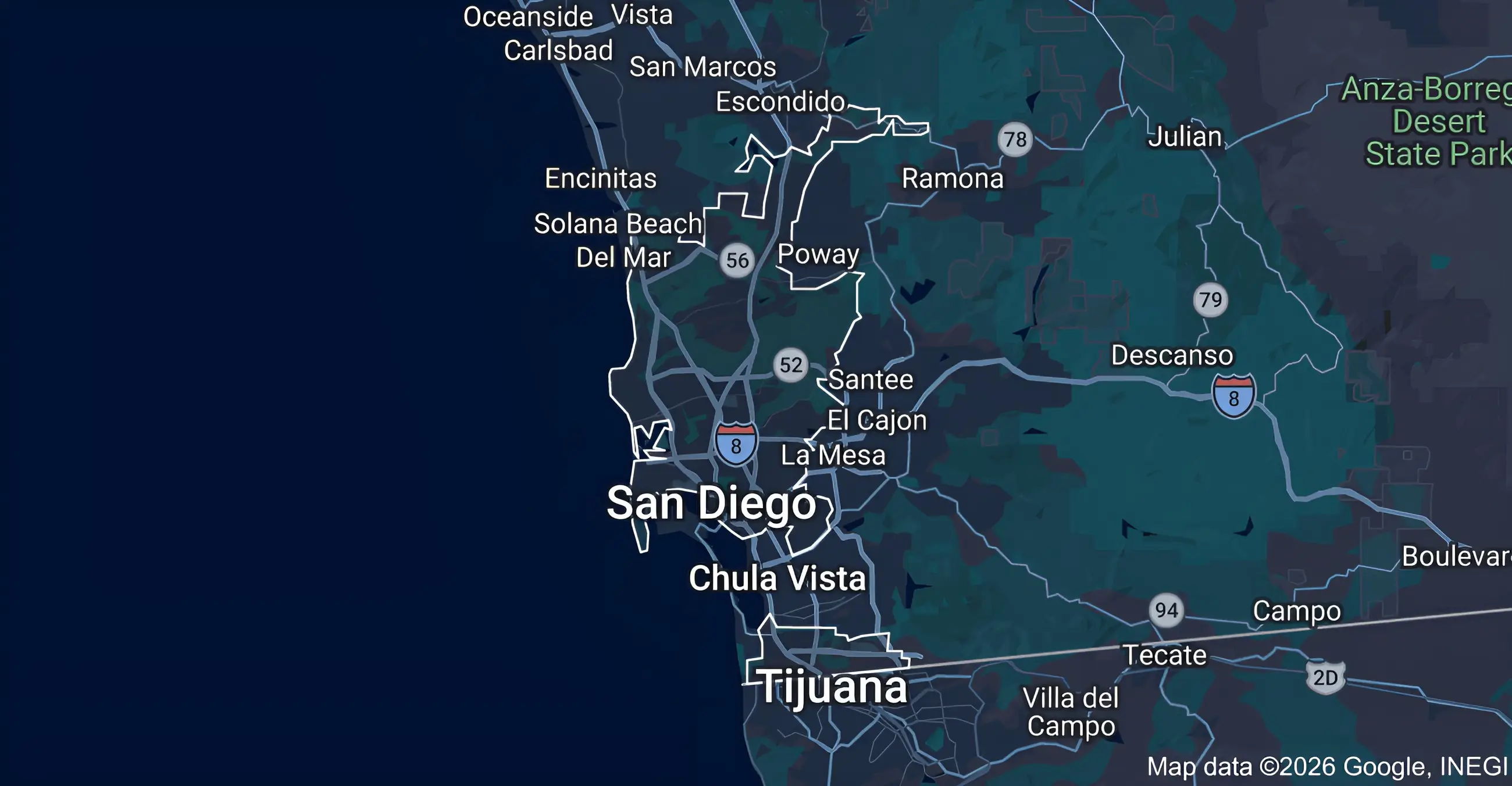
Residential sewer cleaning and camera inspection in the San Diego area.
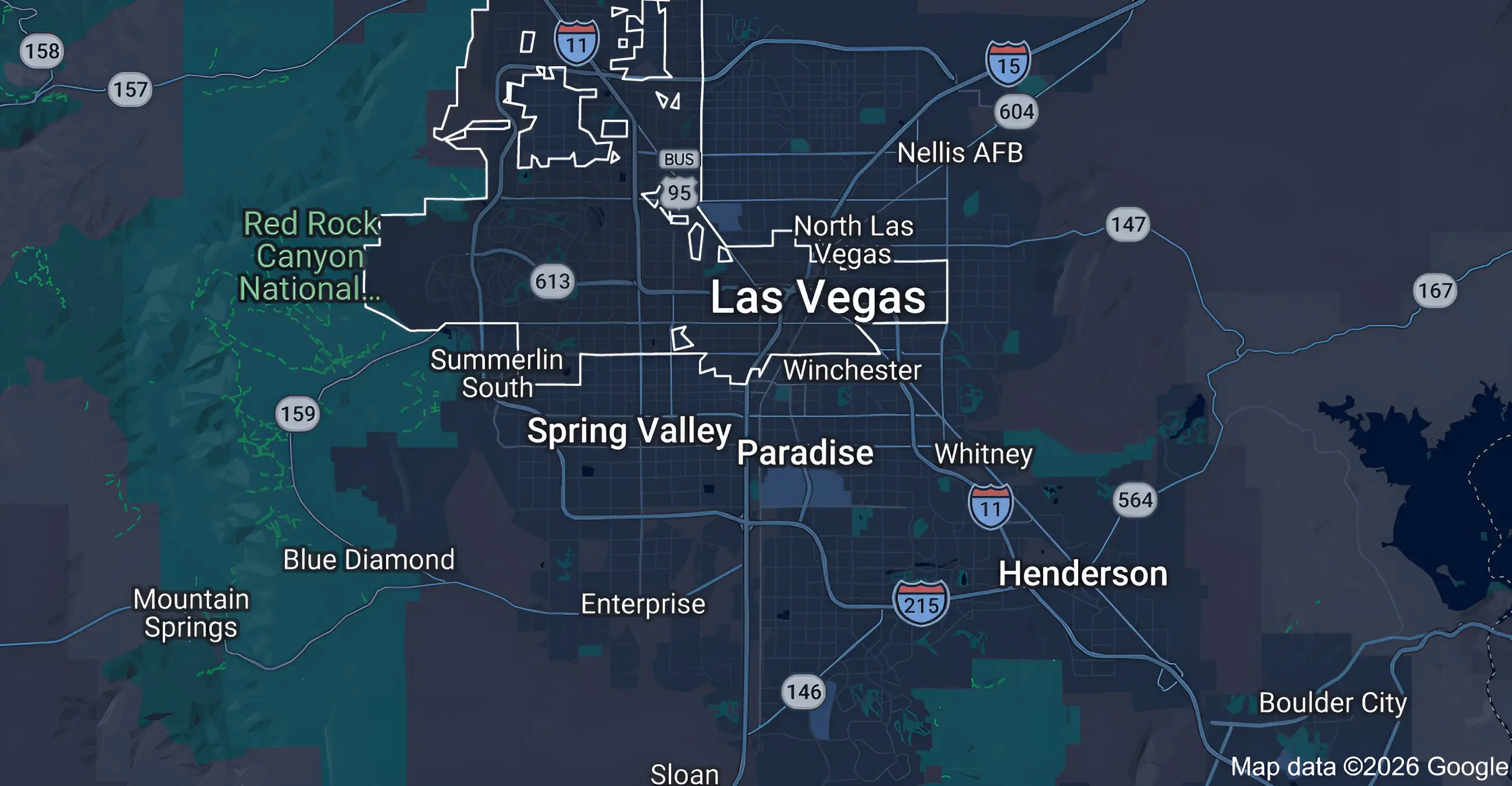
Residential sewer cleaning and camera inspection across the Las Vegas Valley.
4.9 out of 5from 595 Google reviews · as of
Questions
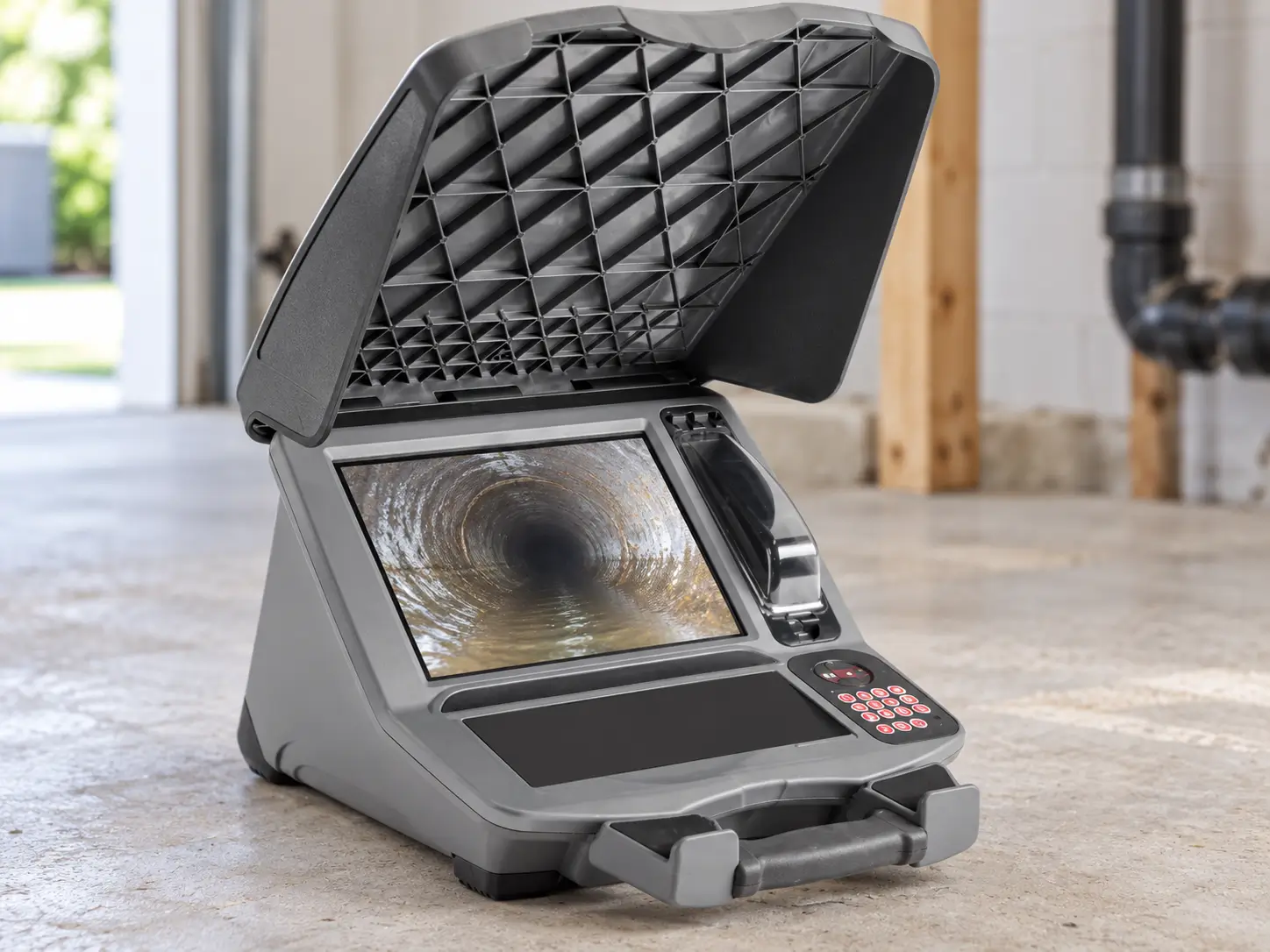
What a camera may show, and what it cannot confirm.
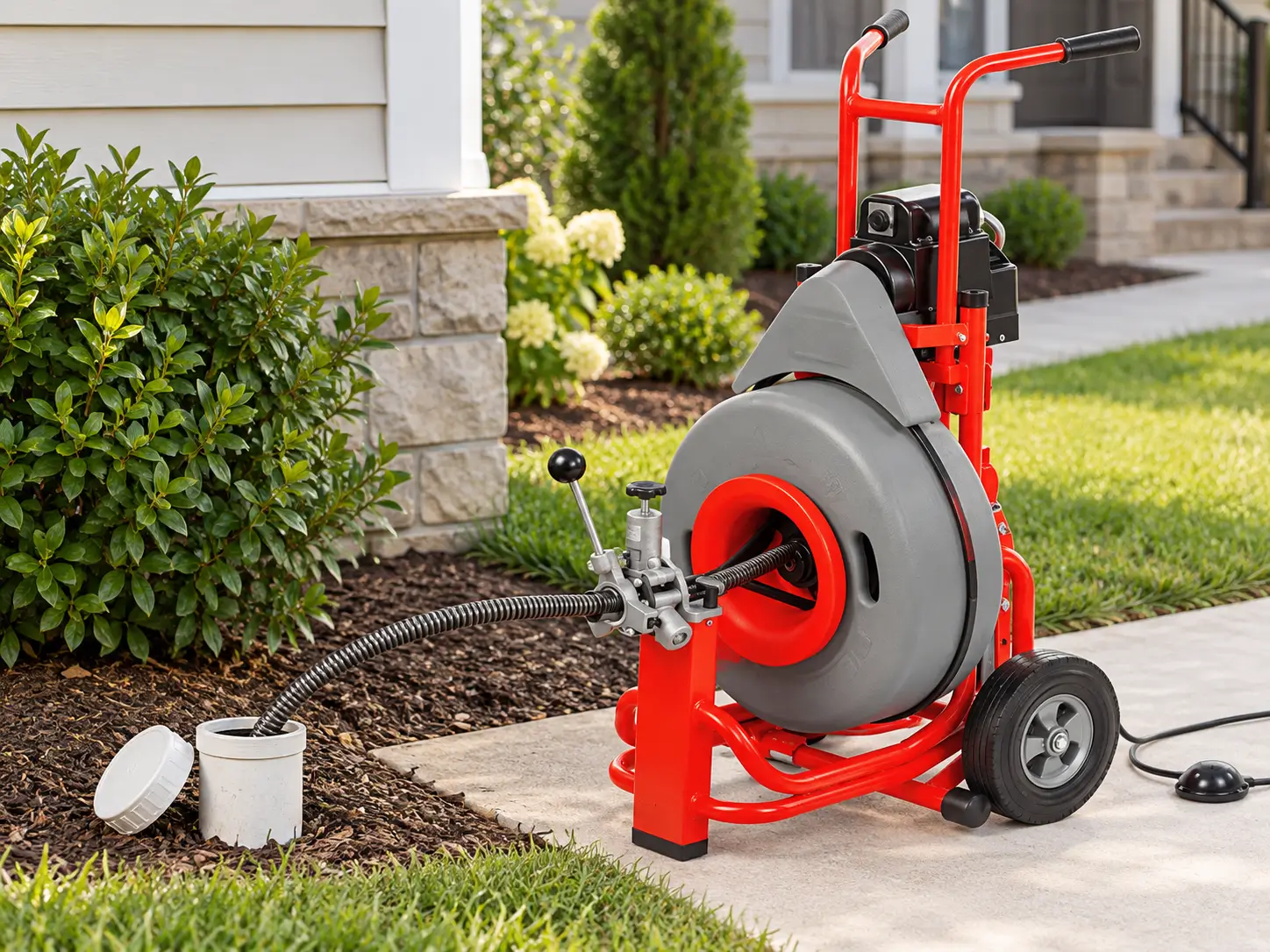
How sewer lines are cleaned, and what cleaning does not do.
How pressurized-water cleaning works and when it may fit.
Clogs and slow drains at a single fixture or branch line.
When a backup keeps returning after it is cleared.
A focused look at the line during a home purchase.
Keeping a line maintained between problems.
Request service
Tell us what your drains are doing and we will help you choose between cleaning, a camera inspection, or both. The Sewer Pros provides cleaning, camera diagnostic, and line locating services in St. Louis, San Diego, and Las Vegas.
Choose your service area, tell us what you have noticed, and let us know whether the line has been cleared before or the problem keeps returning.
This service is designed for accessible residential sewer and drain lines. Equipment selection and available service depend on the entry point, pipe size, line condition, and scope of work.
We provide cleaning, camera diagnostics, and line locating only. We do not provide sewer repair, replacement, lining, excavation, or pipe installation.
Step 1 of 4