
Clear
We clean the line and, when a camera is part of the visit, look at what is visible.
Residential drain cleaning
Drain cleaning restores flow by removing the grease, roots, debris, and buildup that slow or block a drain, using cable tools, water jetting, or both, chosen for the line.
We provide cleaning, camera diagnostics, and line locating only. We do not provide sewer repair, replacement, lining, excavation, or pipe installation.
Service
Service: Drain cleaning
Tell us what your drains are doing. We will help you choose between cleaning, a camera inspection, or both.
Step 1 of 4
The short answer
Drain cleaning is the removal of grease, roots, deposits, debris, and other restricting material from a drain line, using a rotating cable, water jetting, or both. It restores flow. It does not repair the pipe.
Drain cleaning usually refers to fixture and branch lines. Sewer cleaning refers to the larger line that carries wastewater away from the building. People also say "drain clearing." That is everyday usage, not a code term, so ask a provider what they mean by either.
Cleaning and a camera inspection are separate services.
This service is designed for accessible residential sewer and drain lines. Equipment selection and available service depend on the entry point, pipe size, line condition, and scope of work. We provide cleaning, camera diagnostics, and line locating only. We do not provide sewer repair, replacement, lining, excavation, or pipe installation.
Signs to look into
A single slow sink, tub, or shower often points to a restriction in that fixture's own drain line, such as hair, soap, or grease buildup.
When more than one fixture is slow, the restriction may be farther down the line. This does not prove a specific cause.
Gurgling can come from a drainage restriction or a venting issue, so it does not point to one cause on its own.
A clog that returns after each clearing may mean the restriction was not fully removed or is being rebuilt by something in the line. A camera look may help.
An odor may point to a drain or sewer-line issue. It does not prove a specific cause.
Avoid contact with the water, keep children and pets away, and limit water use while you arrange help. Contact us to discuss the situation.
These signs may point to a drain or sewer-line issue. They do not prove a specific cause.
Drain or sewer line
Where the symptoms show up is a clue to where the restriction may be. It is a clue, not proof.
| What you notice | What it may point to | Often the next step |
|---|---|---|
| One fixture is slow or clogged | Usually that fixture's own drain line, such as hair, soap, grease, or debris | Drain cleaning at that fixture. A plunger or hand tool may help with a simple clog. |
| Several fixtures are slow or gurgling | A restriction in a shared branch or the larger sewer line. This does not prove a specific cause | Sewer cleaning. A camera look may help show what is in the line. |
| Lower drains back up when other fixtures are used | A restriction farther along the line, where several drains meet | Contact us to discuss the situation. A camera look may help. |
| The drain clogs again after it was cleared | The restriction was not fully removed, or something in the line is rebuilding it | Cleaning plus a camera look at the accessible line, so you are not guessing. |
| Water or sewage is coming up | A blockage that needs attention. Avoid contact with the water and keep children and pets away | Contact us to discuss the situation. |
Suitability
Cleaning removes material from inside a pipe. Whether it helps depends on what is causing the problem.
The restriction is material inside the pipe
Problems that need more than cleaning
Water jetting is not appropriate for every pipe. Damaged or fragile pipe may not be a candidate. A line that flows again is not proof that the pipe is sound.
What happens on the day
The method and the visit depend on the entry point, pipe size, line condition, and scope of work. We do not publish a standard time or price because they vary with these factors.
You tell us which fixtures are affected, how long, and what you have already tried.
The technician identifies an entry point, commonly a cleanout. Other entry points depend on the property.
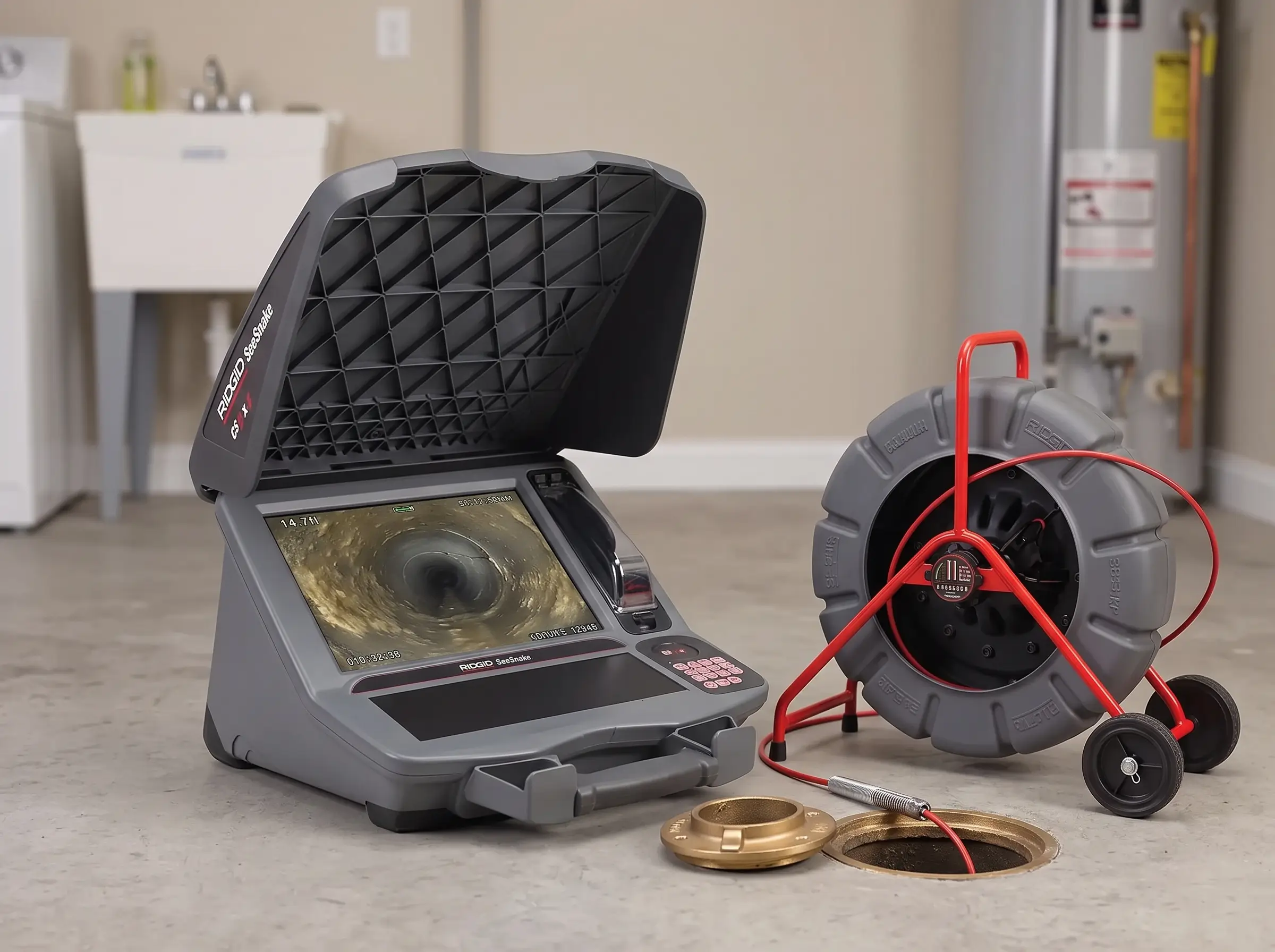
When a camera is part of the visit and the line allows, it is used to look at the restriction. Our equipment includes the SeeSnake CS12x and the SeeSnake Standard Camera Reel with TruSense.
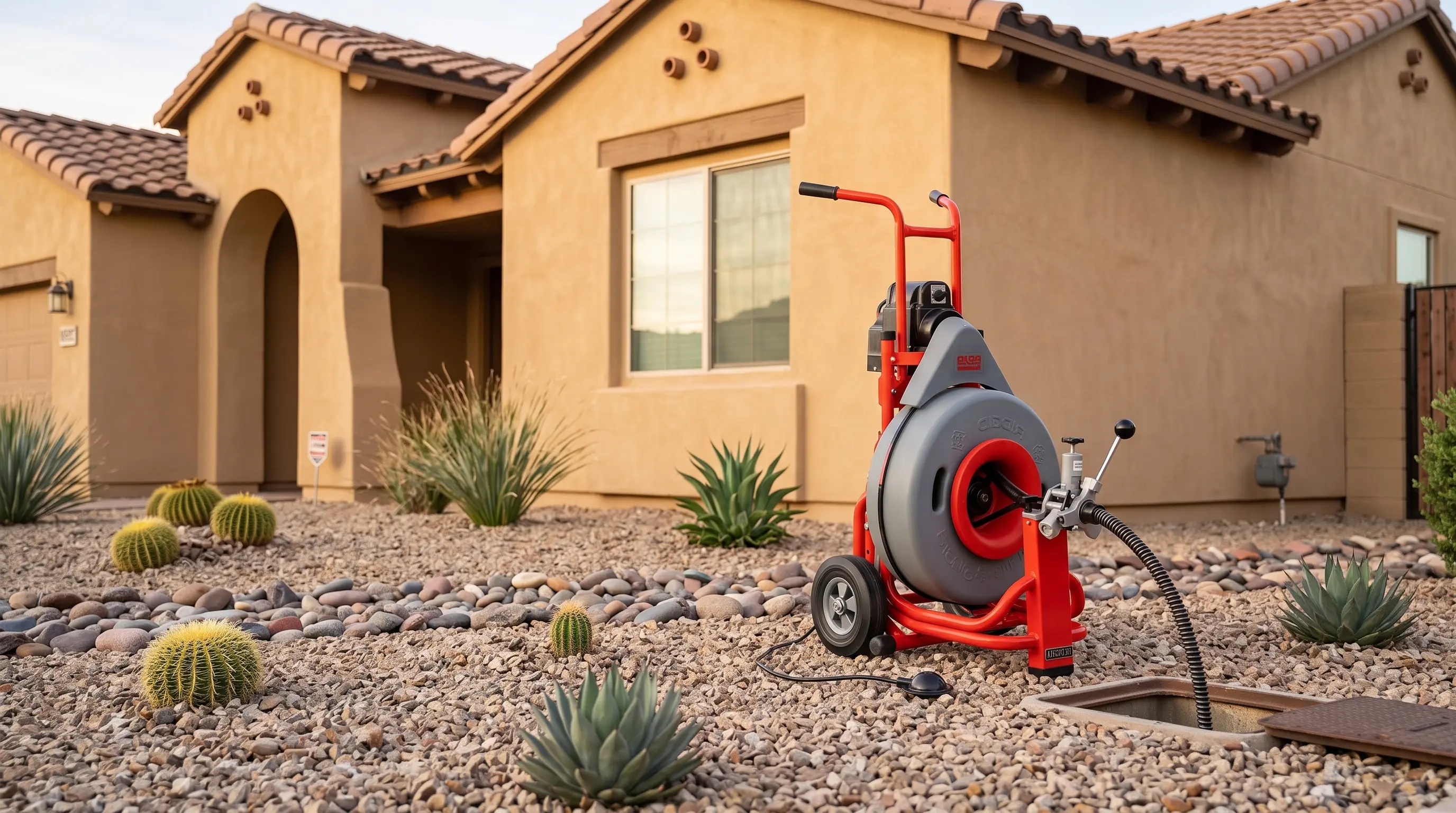
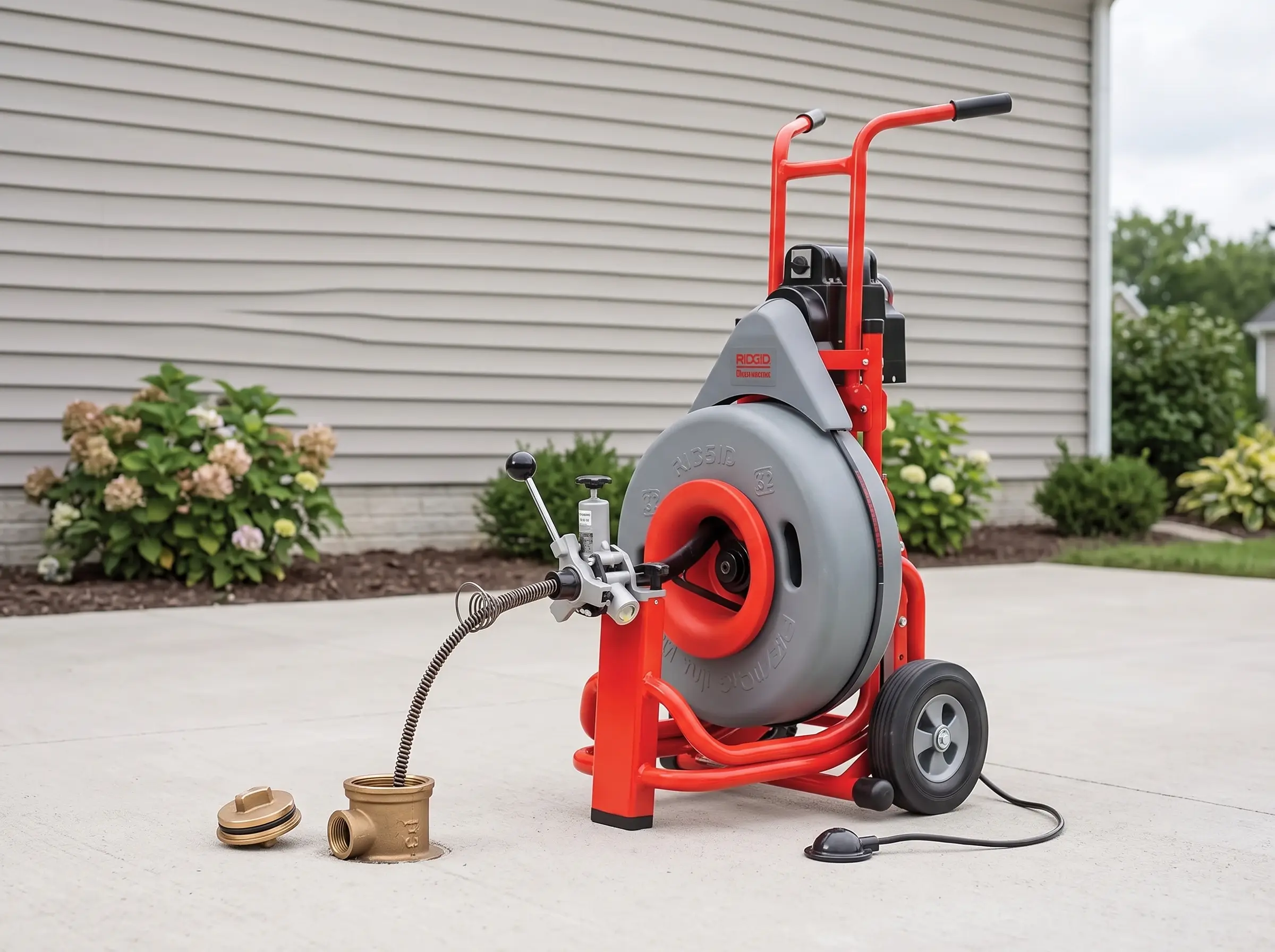
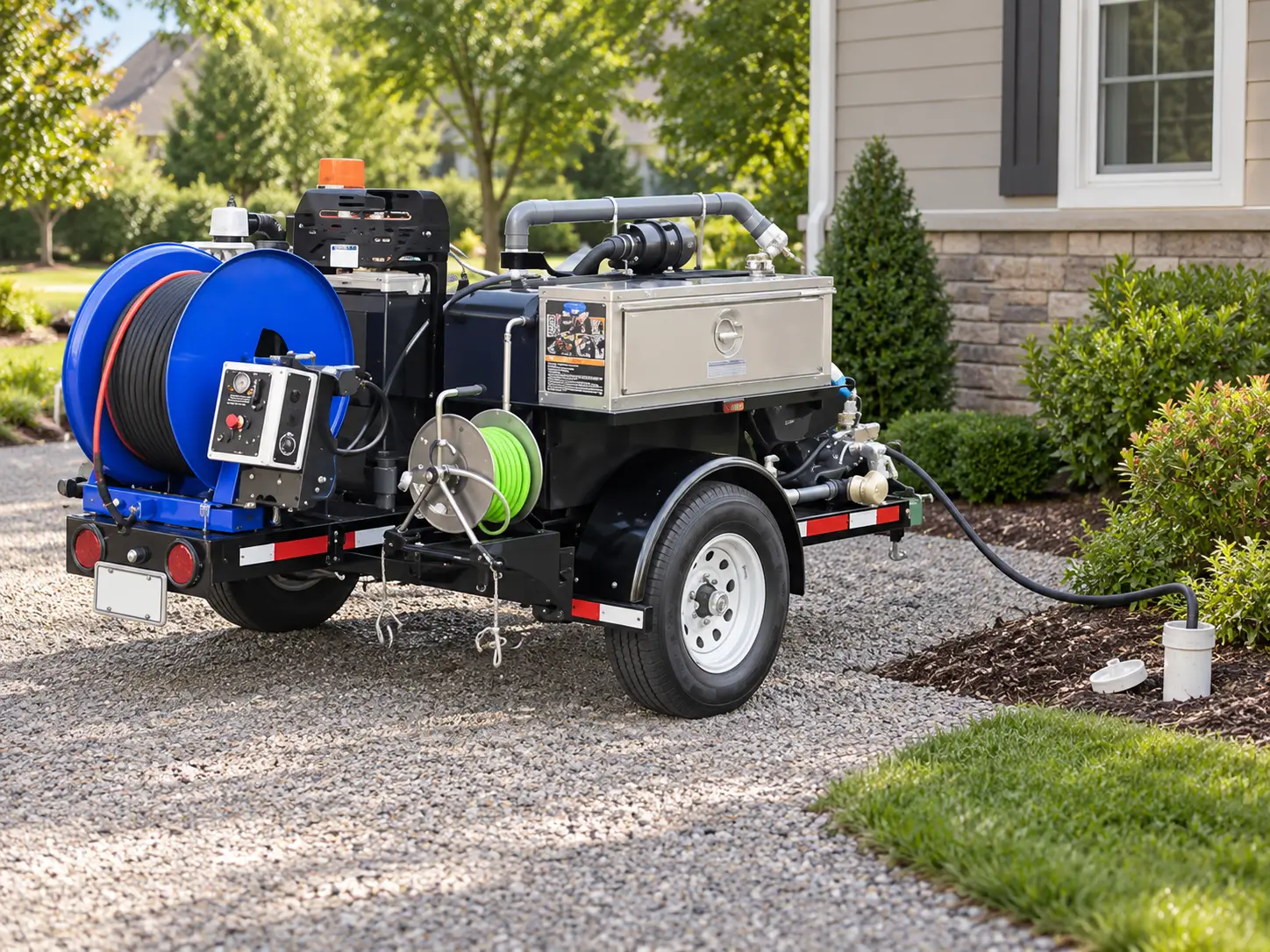
The line is cleaned with cable tools, water jetting, or both, chosen for the condition of the line. Our equipment includes the RIDGID K-7500.
Flow is checked after cleaning. A camera may be used again where appropriate.
A cleanout is a capped opening in the drain or sewer line that gives access for cleaning tools or a camera. Other entry points depend on the property and the plumbing layout.
Two services, one decision
Cleaning and camera inspection can be combined, but neither requires the other. Cleaning can improve camera visibility. It does not repair pipe defects.
There is no single required order. It depends on the line.
Independent by design
We clean the line and, when a camera is part of the visit, look at what is visible.
When a camera is used, you receive the video and written findings.
You decide next steps with evidence in hand. The Sewer Pros does not sell repair or replacement.
If someone has recommended costly work, a clear record of the line gives you something to compare estimates against.
Which method fits
| Method | How it works | Often considered for | Limits |
|---|---|---|---|
| Cable cleaning | A rotating cable with cutting tools works through the line | Blockages, roots inside the line, and localized restrictions | Does not repair pipe. Roots may regrow |
| Water jetting | Pressurized water cleans the pipe wall | Grease and buildup along the pipe, when the line is a suitable candidate | Not appropriate for every pipe or blockage, including damaged or fragile pipe |
| Camera inspection (separate service) | A camera on a flexible cable shows visible conditions inside the line | Recurring clogs, an unclear cause, or documenting the line | Cannot see below the waterline or outside the pipe wall |
Comparing cable and jetting? See hydro jetting vs. snaking.
Evidence and its limits
When a camera is part of the visit, it may document the conditions below. Image quality, lighting, flow, and the technician's interpretation all affect what can be seen.
Visible conditions in the section the camera reaches
Where a camera view stops
A visibly clear line is not proof that the whole line, or the ground around it, is in good condition.
Before you book
Before you book, ask what you will receive. What is provided can vary by appointment.
When a camera is used, you receive the video.
When a camera is used, you receive written findings, including any part of the line that could not be viewed.
Ask what the cleaning and the camera could and could not reach.
Ask which access point was used and where along the line conditions were seen.
Ask what record of the cleaning is provided for your appointment.
If locating was performed, ask how it was documented. A locate is approximate, not a survey.
When a camera is used, they are useful as a later reference. If someone recommends costly work, you can compare written estimates and ask the estimate to point to the footage.
A camera finding is a visible observation. It is not a repair recommendation, and it does not by itself set a scope of work.
Who it helps
Slow drains, recurring clogs, or a backup. Cleaning addresses the restriction, and a camera can help show what is visible in the line when the clog keeps coming back.
A buyer who learns of drain or sewer concerns can ask for a camera look at the accessible line before deciding. This is general information, not legal advice. Disclosure rules vary by state.
For home buyersA seller with a history of slow or recurring drains can document the condition of the accessible line. This is general information, not legal advice. Disclosure rules vary by state.
For home sellersService areas
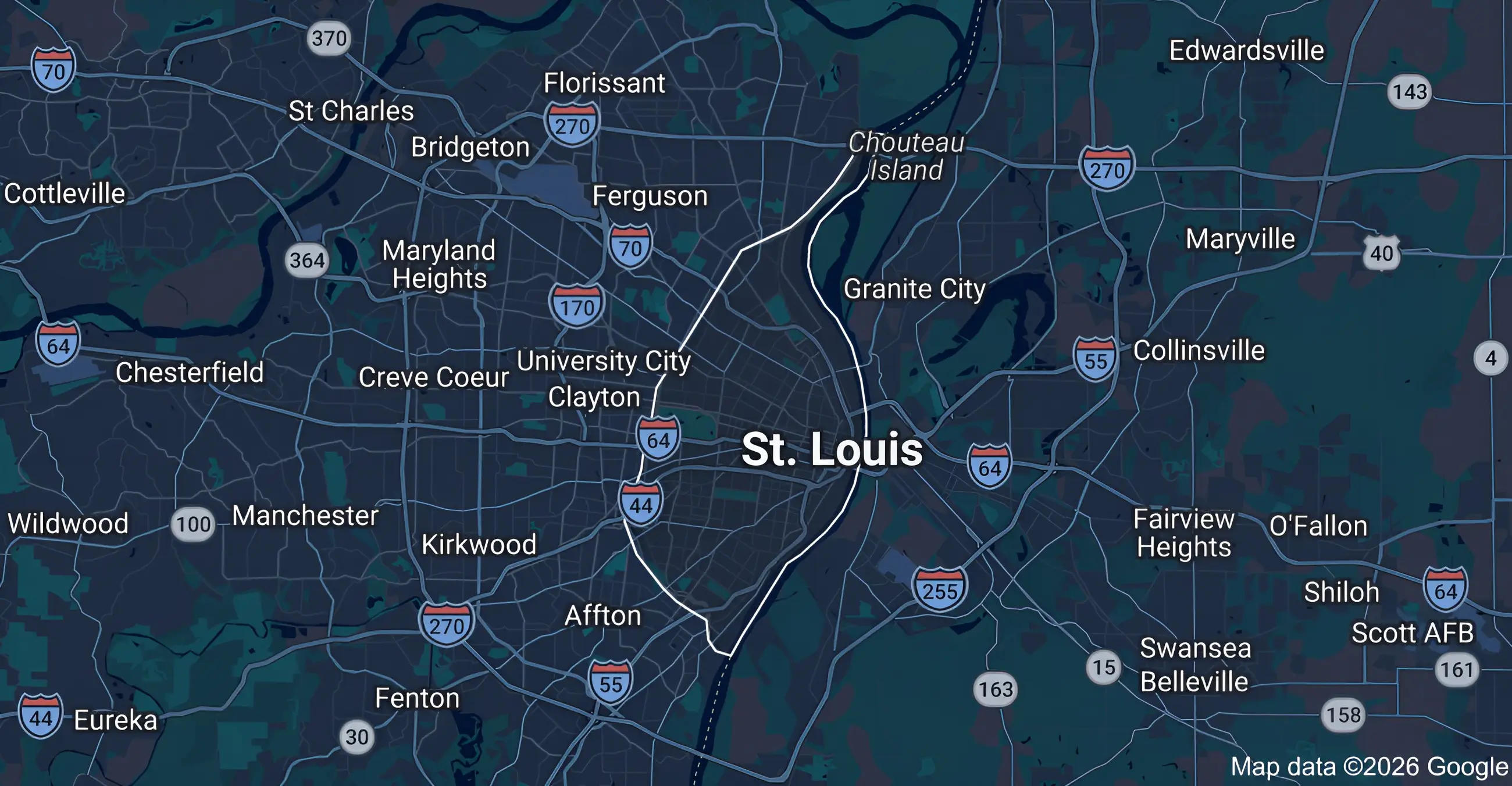
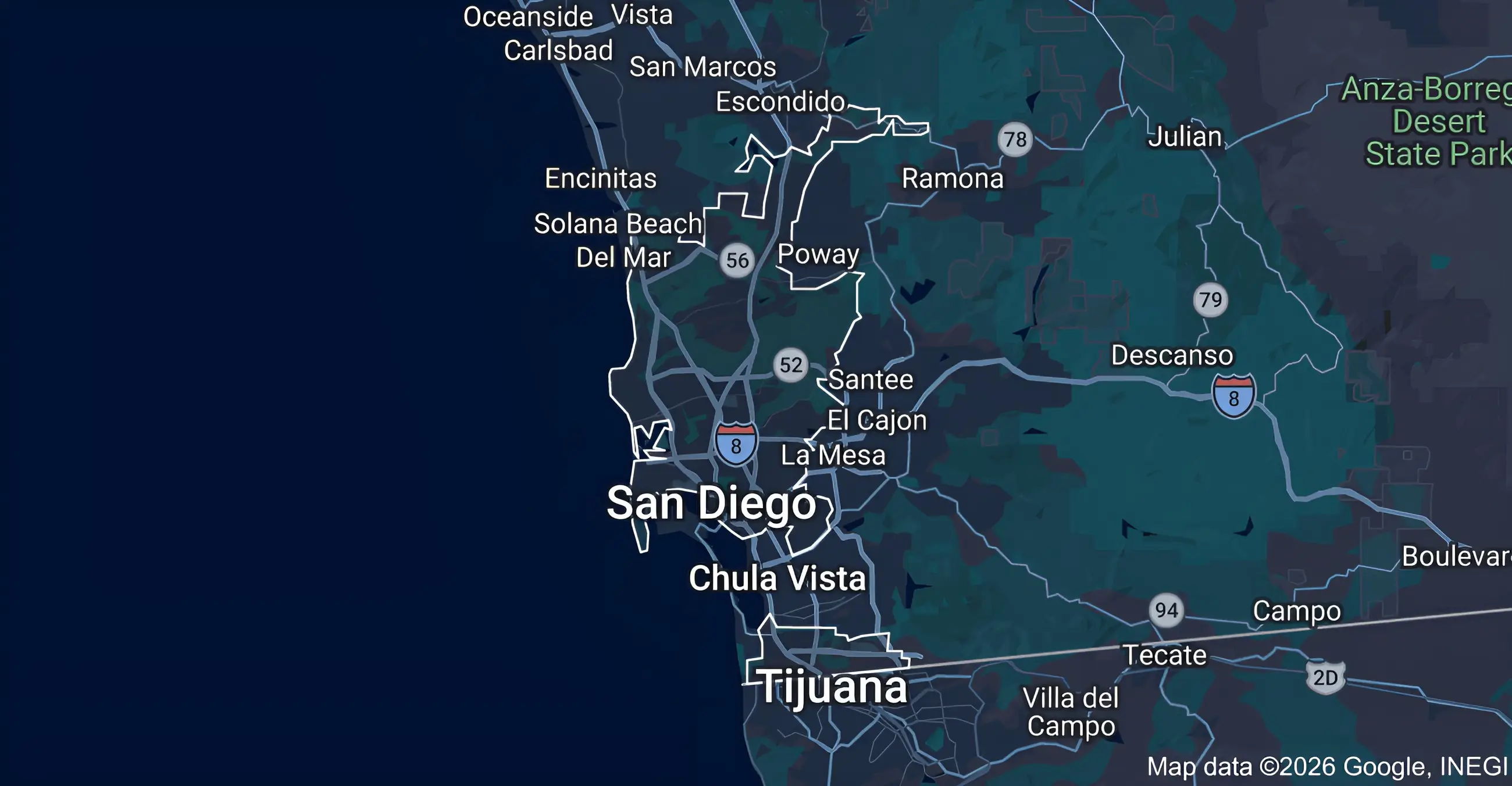
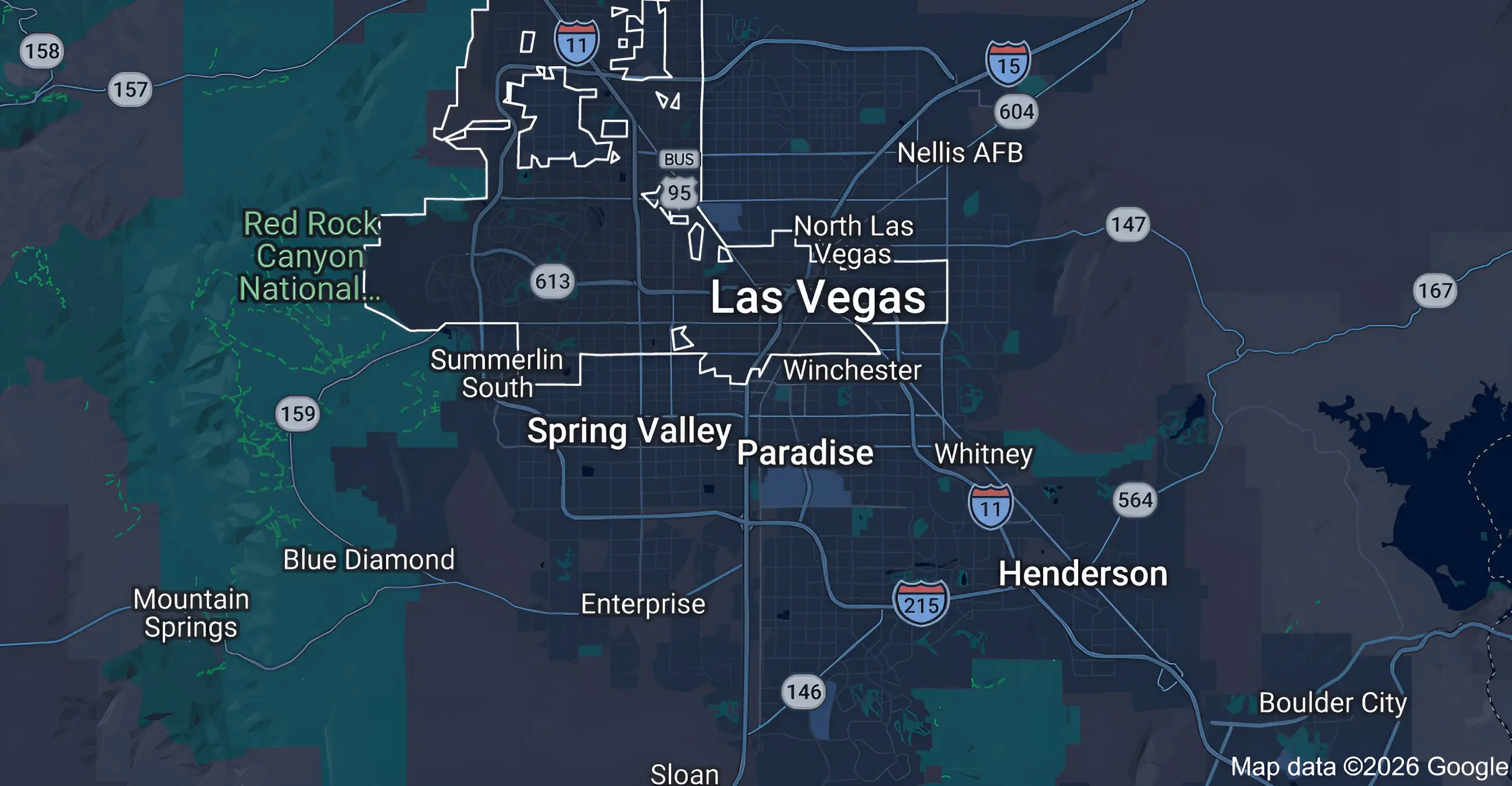
Choose your market for local service details and scheduling options.
Plain-language terms
A capped opening in a drain or sewer line that gives access for cleaning tools or a camera.
The drain pipe that serves one fixture or a group of fixtures and connects to the larger line.
The larger pipe that carries wastewater from the building toward the public sewer connection.
Cleaning with a rotating cable and cutting tools. Often called snaking.
Cleaning the pipe wall with pressurized water. Also called hydro jetting.
A camera on a flexible cable that shows visible conditions inside an accessible line. Also called a sewer scope.
4.9 out of 5from 595 Google reviews · as of
Questions
Keeping drains clear
Wipes labeled flushable can collect in the line and contribute to blockages. Flush toilet paper and human waste only.
Grease poured down a drain can cool and build up on the pipe wall. Let it cool and put it in the trash.
They do not remove every kind of restriction and can be hazardous to handle. Follow the label, and tell the technician if one was used.
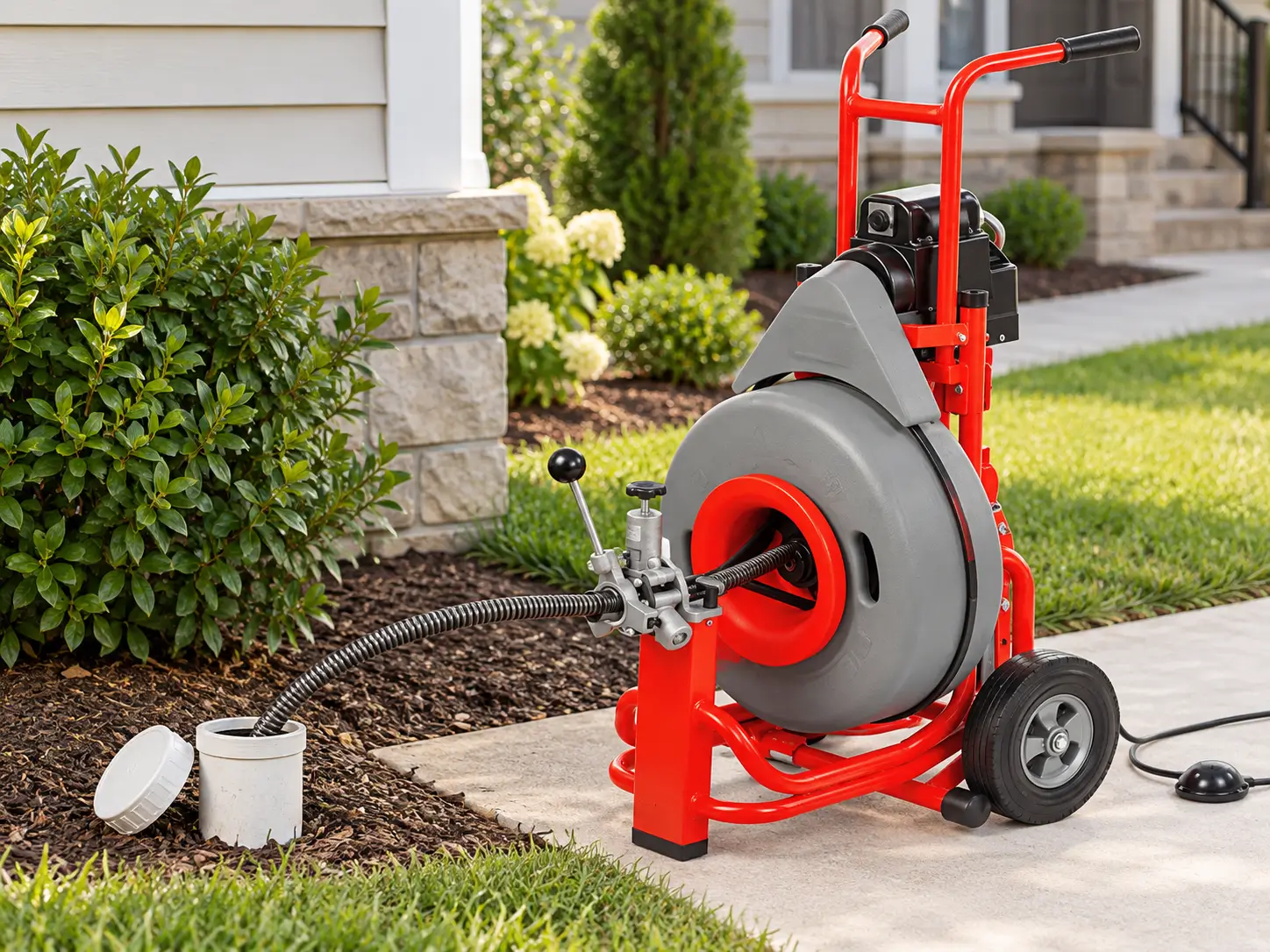
Cleaning the larger line that carries wastewater from the building.
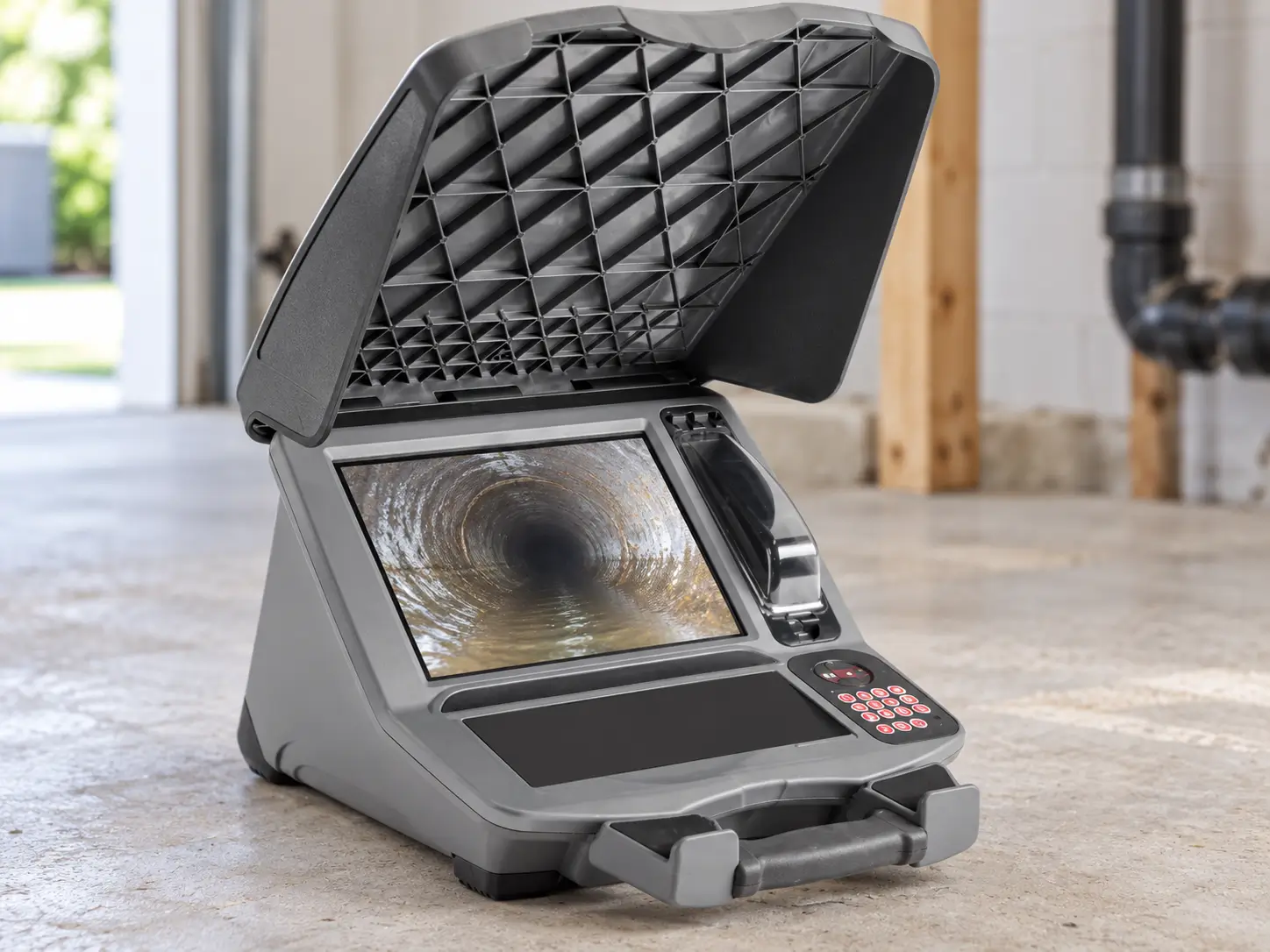
See visible conditions inside an accessible line.
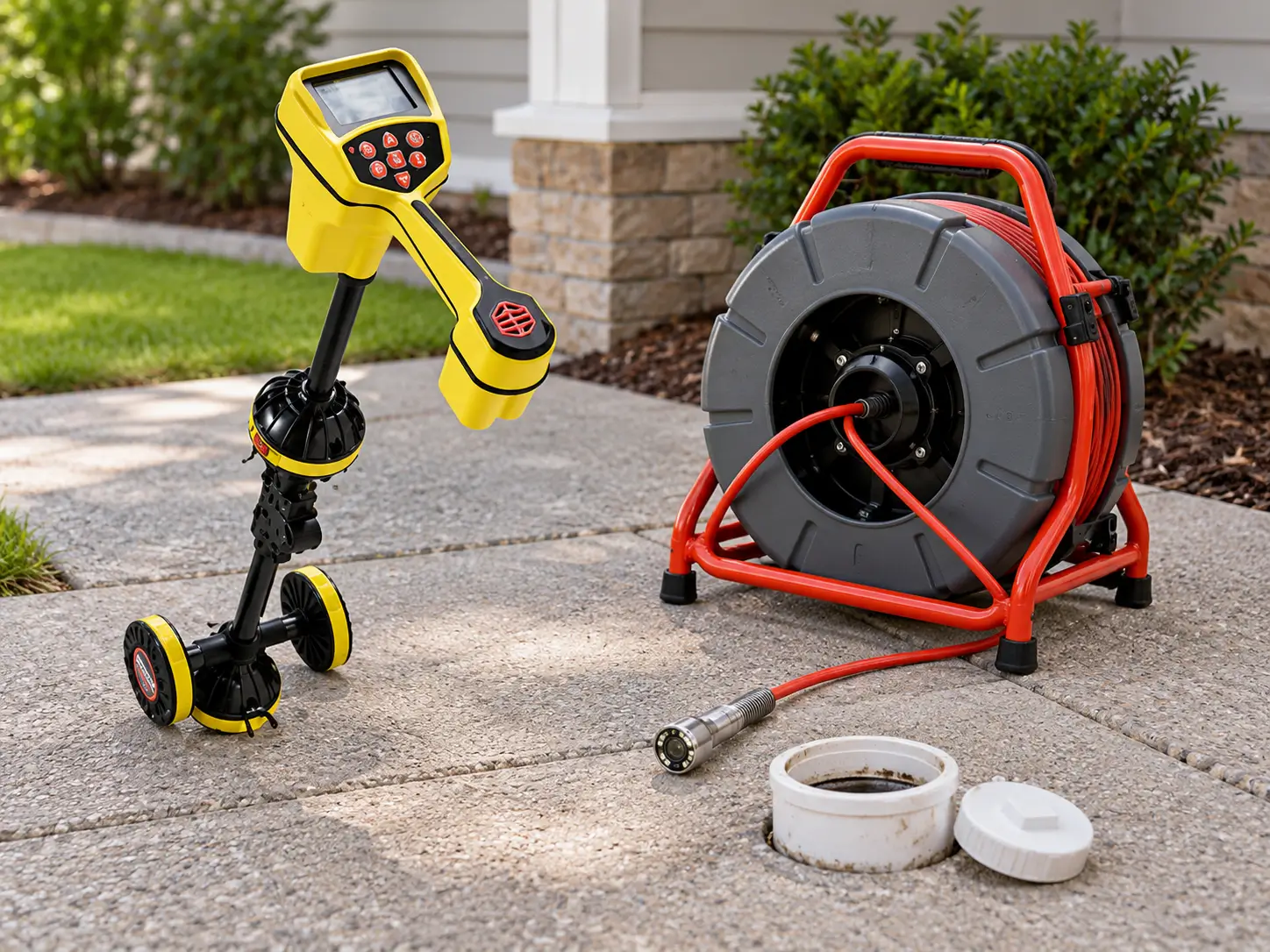
Identify the approximate path of an underground line.
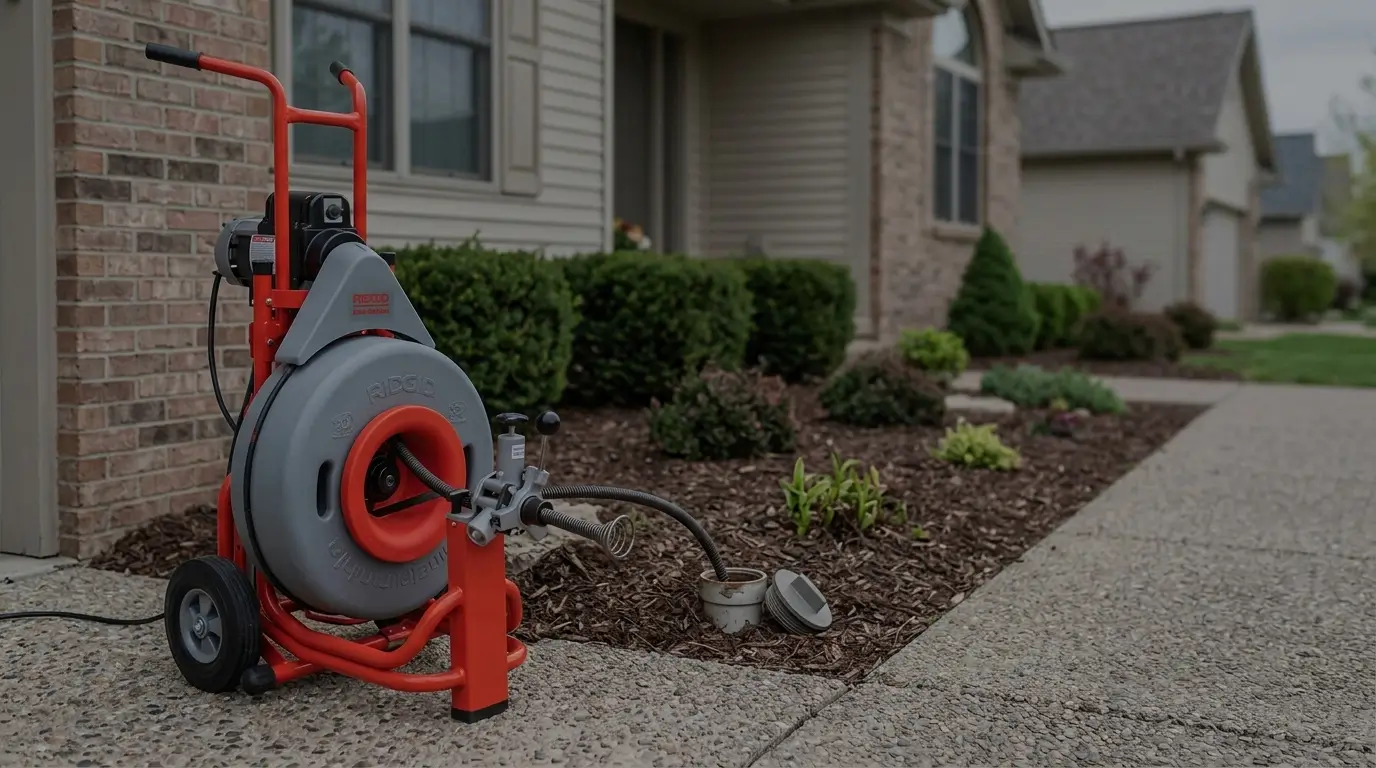
Request service
Choose your service area, tell us what you have noticed, and let us know which fixtures are affected.
This service is designed for accessible residential sewer and drain lines. Equipment selection and available service depend on the entry point, pipe size, line condition, and scope of work. We provide cleaning, camera diagnostics, and line locating only. We do not provide sewer repair, replacement, lining, excavation, or pipe installation.
Step 1 of 4