
Chesterfield
Sewer Camera Inspection in Chesterfield
Most Chesterfield homes were built in 1970 or later, so what a camera finds on a lateral here is often not the failure of an old clay pipe. It is a belly holding water, a joint pulled apart by ground movement, or damage from later work. A camera inspection records which, on video, before you deal with the City’s lateral repair program, which defines its own defects and runs its own video review.
Where your responsibility starts, and how the City defines its lateral
For a property on MSD’s system, MSD says it maintains the public sewer main and that the lateral from your building, including its connection to the main, is private property the owner maintains and repairs. We did not find a published rule on who owns the part of a lateral under the street, so we repeat only MSD’s general statement.
Chesterfield’s City program uses its own definition: its eligible lateral runs from three to five feet outside the foundation or exterior wall to the main in the street or sewer easement. The footage records what is visible inside the section the camera reaches, and the findings can note where along the line each condition was seen. It does not establish where the connection is or where either boundary falls. Which utility serves an address near a service boundary, or on septic, should be confirmed by address.
Newer homes, different findings
In American Community Survey 2019-2023 estimates, 85.6 percent of Chesterfield housing was built in 1970 or later, the median year built is 1982, and 1.4 percent was built before 1940 (city-wide figures, with the primary Census table check still pending on our location page). Pipe from that era is more often PVC than clay, cast iron or bituminized fiber, so material failure matters less. Ground movement does not wait for a pipe to age.
- A belly: a section that holds standing water, with solids settling where flow slows
- Joint separation: a gap or offset at a joint opened by soil movement
- Damage from later work, near an addition, landscaping or a utility crossing
- Roots entering at any gap or joint
A camera shows standing water directly. Water patterns may suggest a low spot, but a camera does not measure slope, so footage alone cannot confirm how deep or long a sag is. Era tells you what to expect. The camera shows what is there.
The City’s defect list, and what footage can and cannot show
Chesterfield’s program can pay for repair of a qualifying defective lateral, up to $15,000 under the City’s March 2026 policy (the City’s terms, not a price from us). The City defines defects as a collapsed or broken line, a severe offset, a severe backfall or belly, or a severe blockage that cannot be cabled out. It treats roots in pipe bells and joints as routine maintenance when removing them lets the line work.
A camera can record a visible offset, standing water, roots or a break. Whether any of it is “severe” under the policy is the City’s call. The City has the owner cable the line first, does not reimburse that step, then has its own contractor televise the lateral before Public Works accepts or denies. Independent footage does not replace or predict that review. It is your own record of the line.
Who to call, the public sewer project, and buying here
- For a building backup, MSD asks you to call (314) 768-6260 so it can inspect (MSD’s number, not ours).
- For the City program, call Chesterfield Public Works at (636) 537-4762 (the City’s). For an emergency that threatens life or property, the City’s Who To Call guide says to call 911, which is not a sewer dispatch line.
MSD’s Conway Meadows Sanitary Relief project, on an undated page that described construction starting in spring 2026, concerns the public sewer, not your lateral. In the City materials we reviewed we found no sewer-lateral inspection rule for an ordinary residential sale (none found, not a confirmed absence), so a buyer who wants evidence has to ask for it. The Sewer Pros inspects and documents. It does not perform repairs or replacements.
When to call
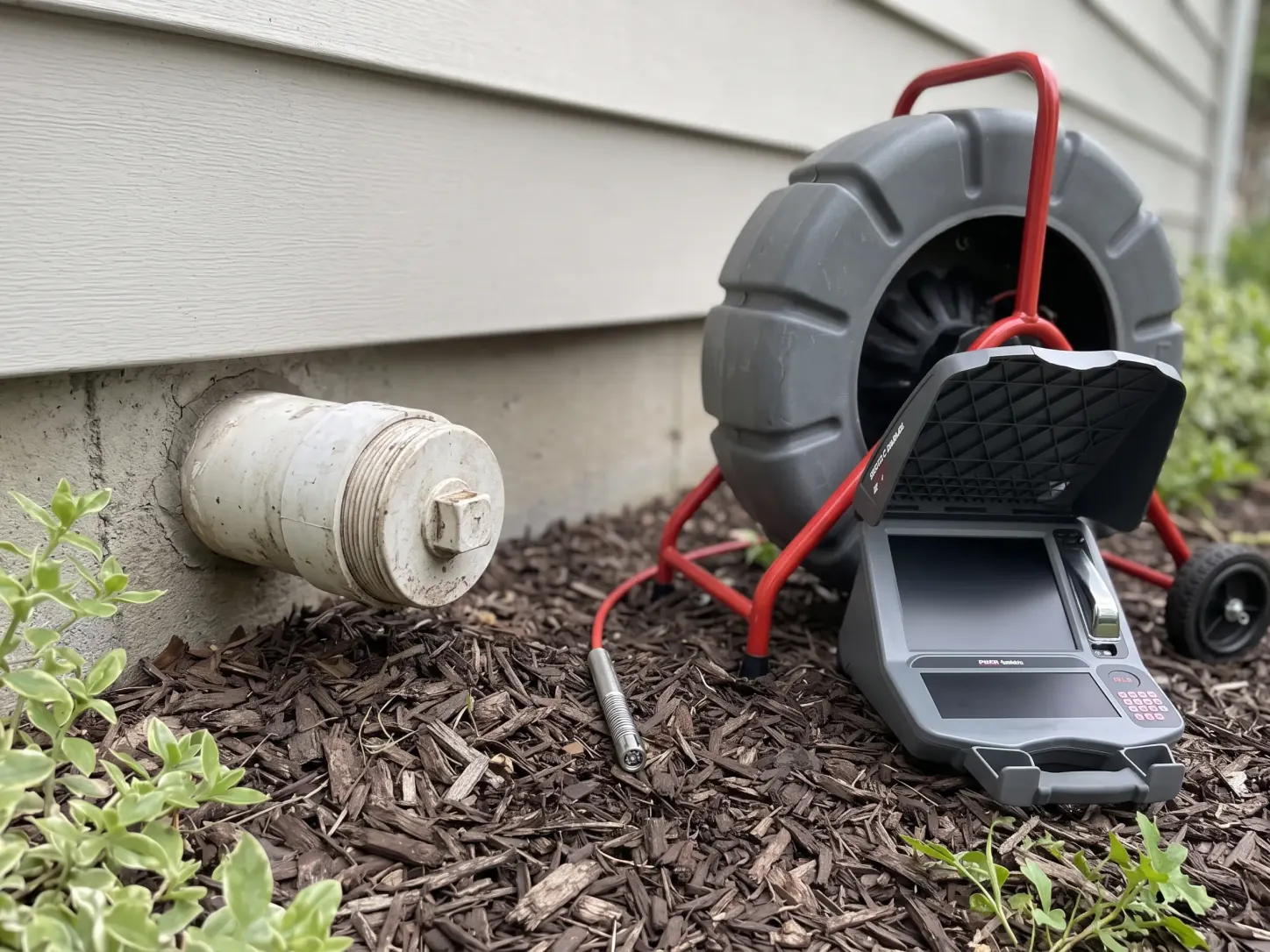
Recurring clogs
Clogs that keep returning may warrant a look at the accessible line instead of clearing each one as a separate event.
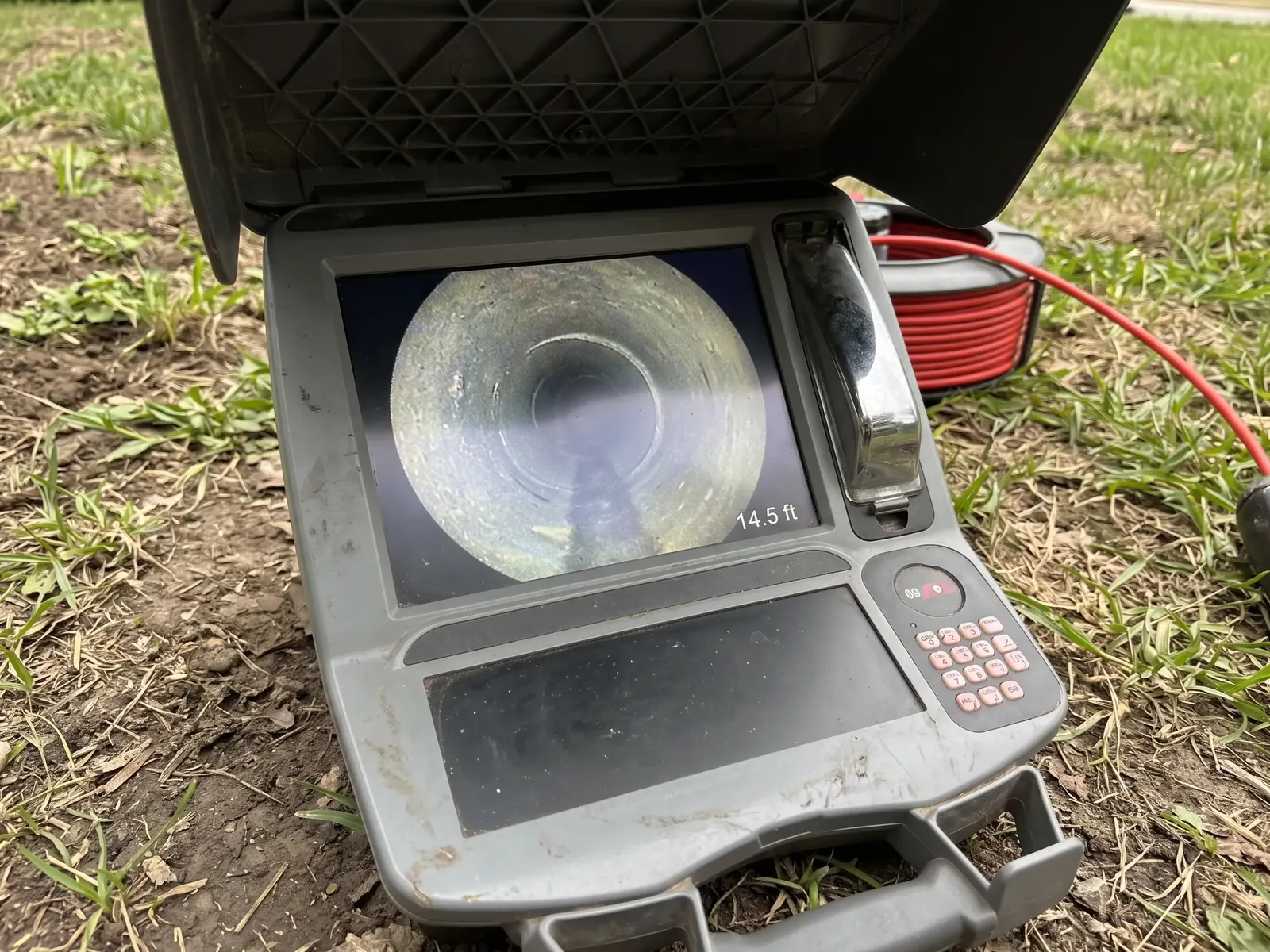
Slow-draining sinks, tubs, or toilets
Slow drains can have several causes. A camera can document what is visible in the accessible line.
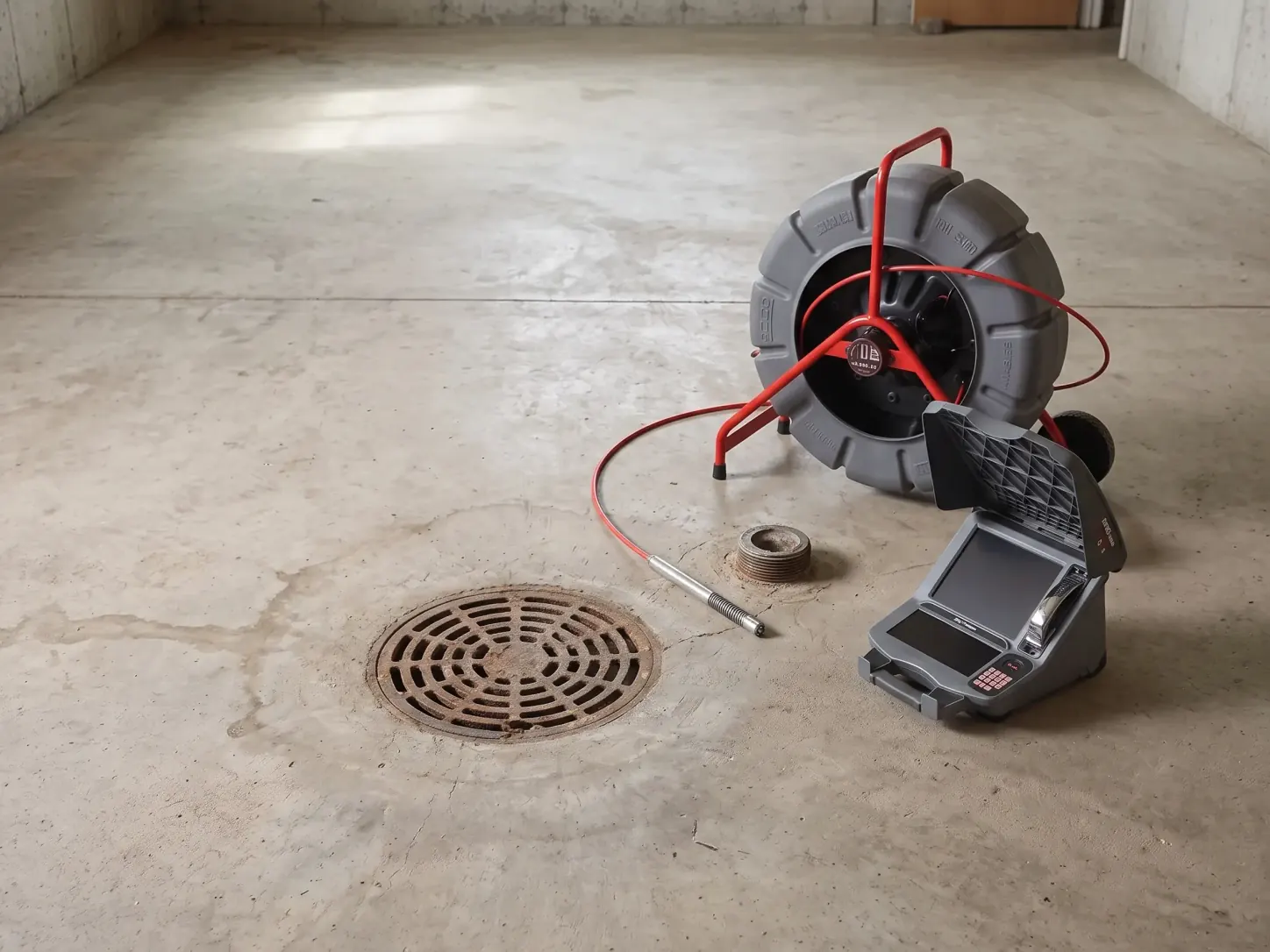
After a sewage backup
After a backup, a camera may help document what is visible. If the line is blocked and not draining, cleaning may need to come first.
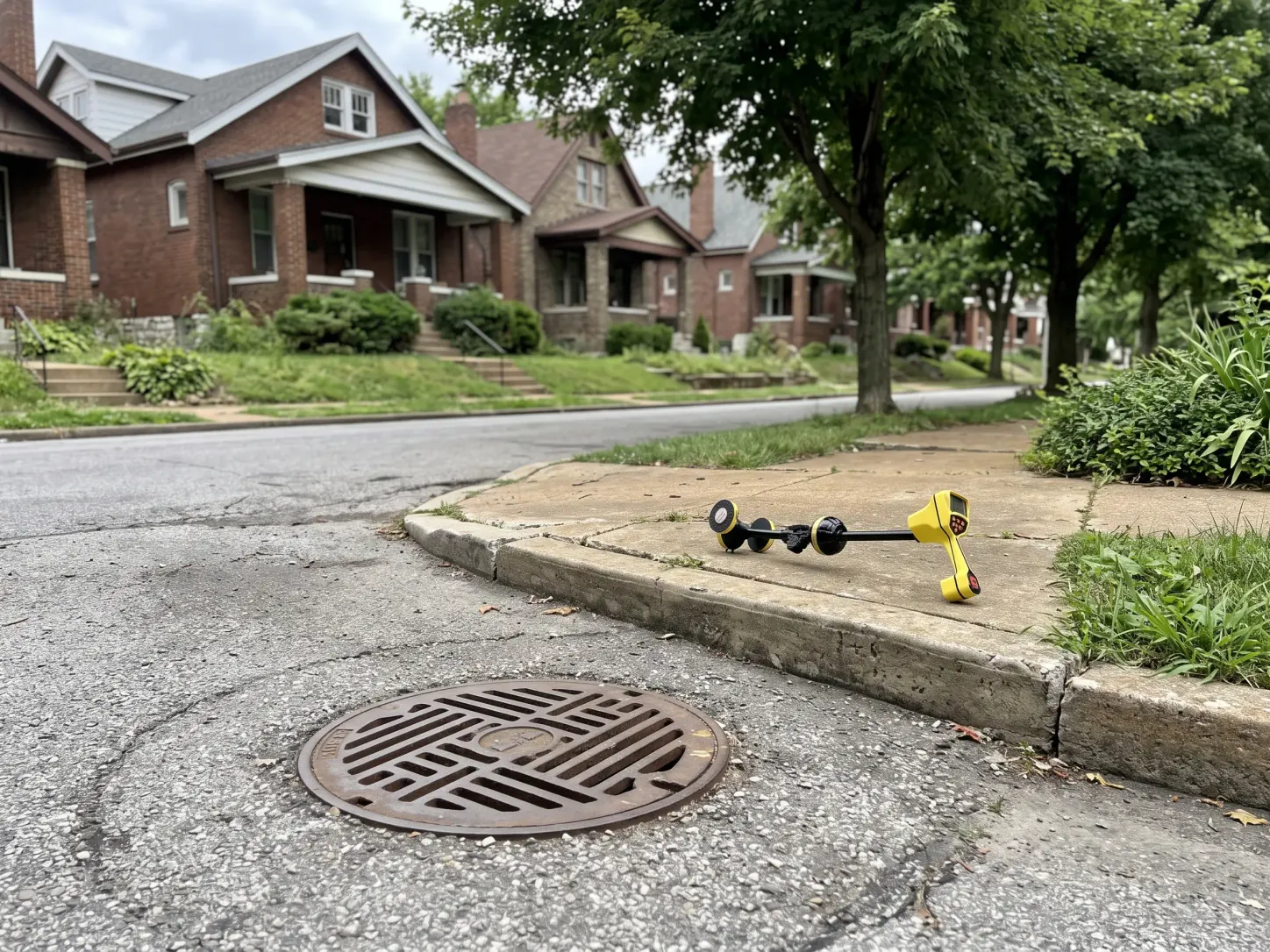
Chesterfield runs its own lateral program
Chesterfield’s lateral repair program can pay for a qualifying defective lateral and treats routine root removal as maintenance. Footage shows the condition of the line. It does not decide eligibility.
What's included
Inspection video
When a camera is used, you receive the inspection video.
Written findings
Written findings are included.
Visible conditions noted
The findings note the conditions that are visible inside the line.
Parts not viewed, stated
Any part of the line that could not be viewed is noted, so the record says what it does not cover.
Live view at the monitor
The technician watches the monitor and pauses at visible features or conditions.
An identified entry point
The technician identifies an accessible entry point, commonly an exterior cleanout.
What happens on site
Access
The technician identifies an accessible entry point, commonly an exterior cleanout.
Camera entry
A camera on a flexible push cable is inserted and advanced through the accessible line. Our equipment includes the SeeSnake CS12x and the SeeSnake Standard Camera Reel with TruSense.
Live viewing
The technician watches the monitor and pauses at visible features or conditions.
Recording
When a camera is used, you receive the inspection video.
Documentation
Visible conditions are noted, along with any part of the line that could not be viewed.
Sewer Inspection, Diagnostics & Cleaning Services
The Sewer Pros provides sewer camera inspections, sewer diagnostics, sewer cleaning, hydro jetting, sewer line locating, and drain cleaning for residential properties. We document the conditions we observe so property owners, homebuyers, and property managers can understand the issue and consider appropriate next steps.
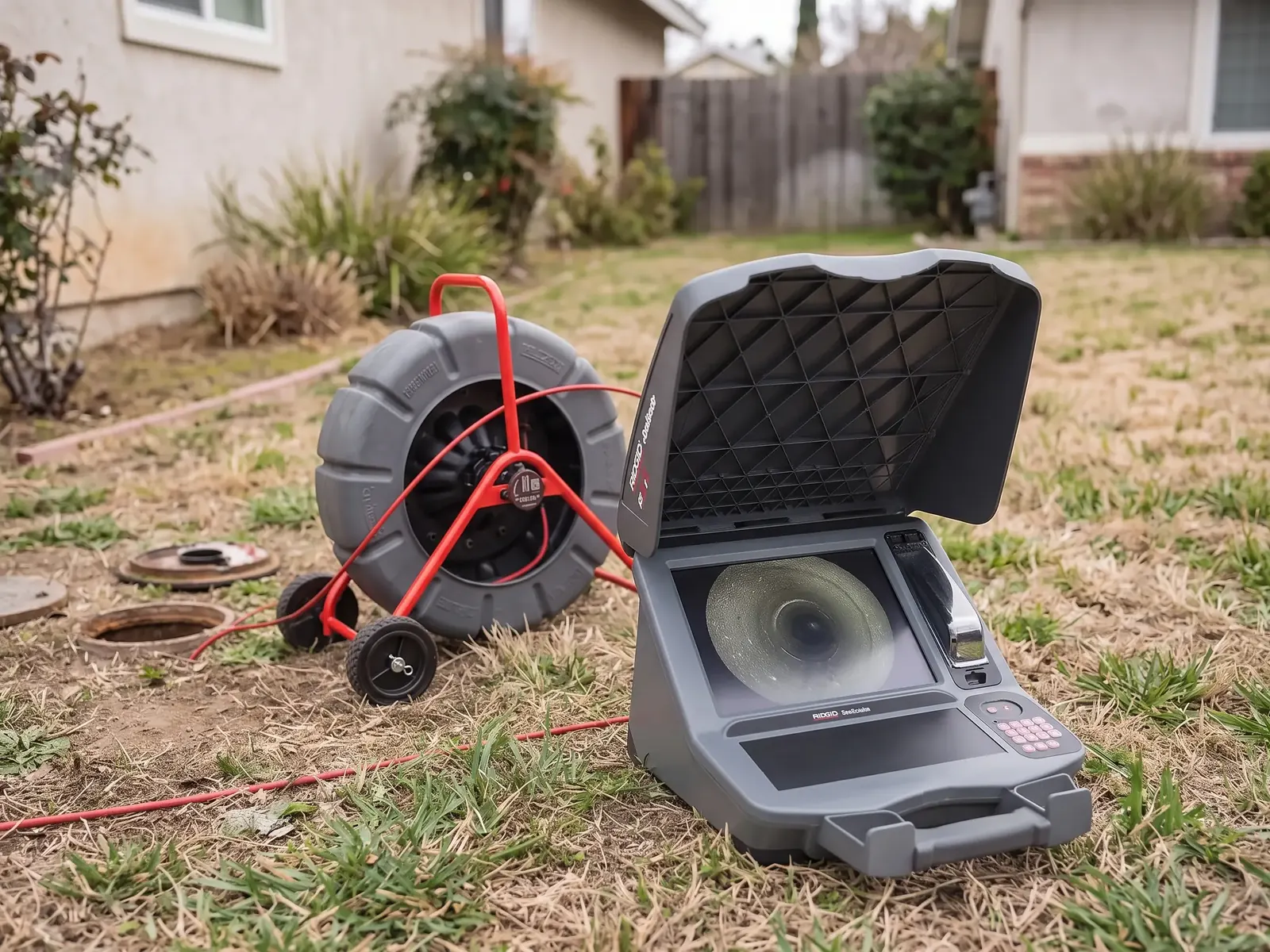
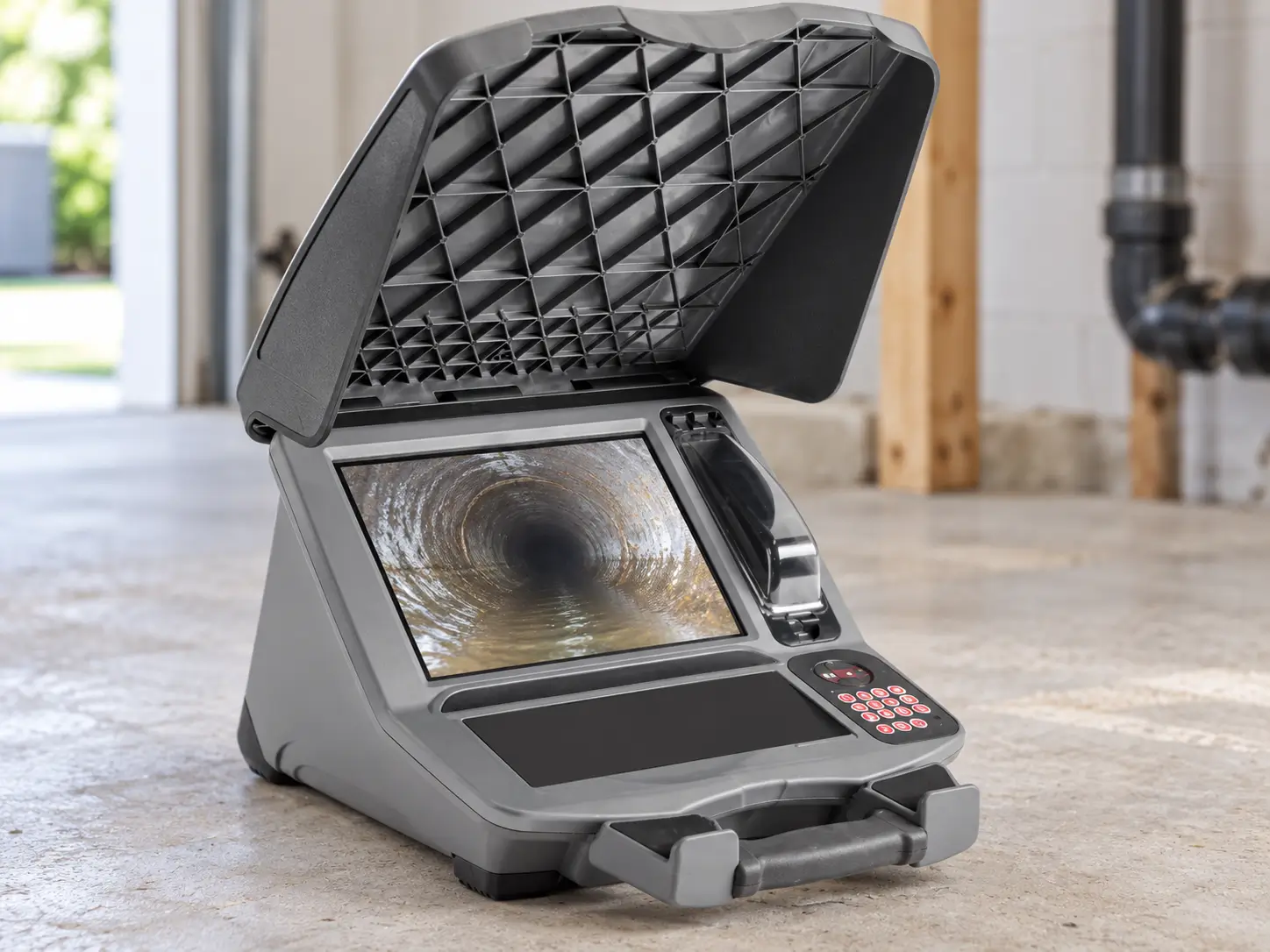
Sewer Camera Inspection
A camera inspection of the accessible sewer line, documenting what is visible. It can help identify observed conditions and support an informed next-step decision.
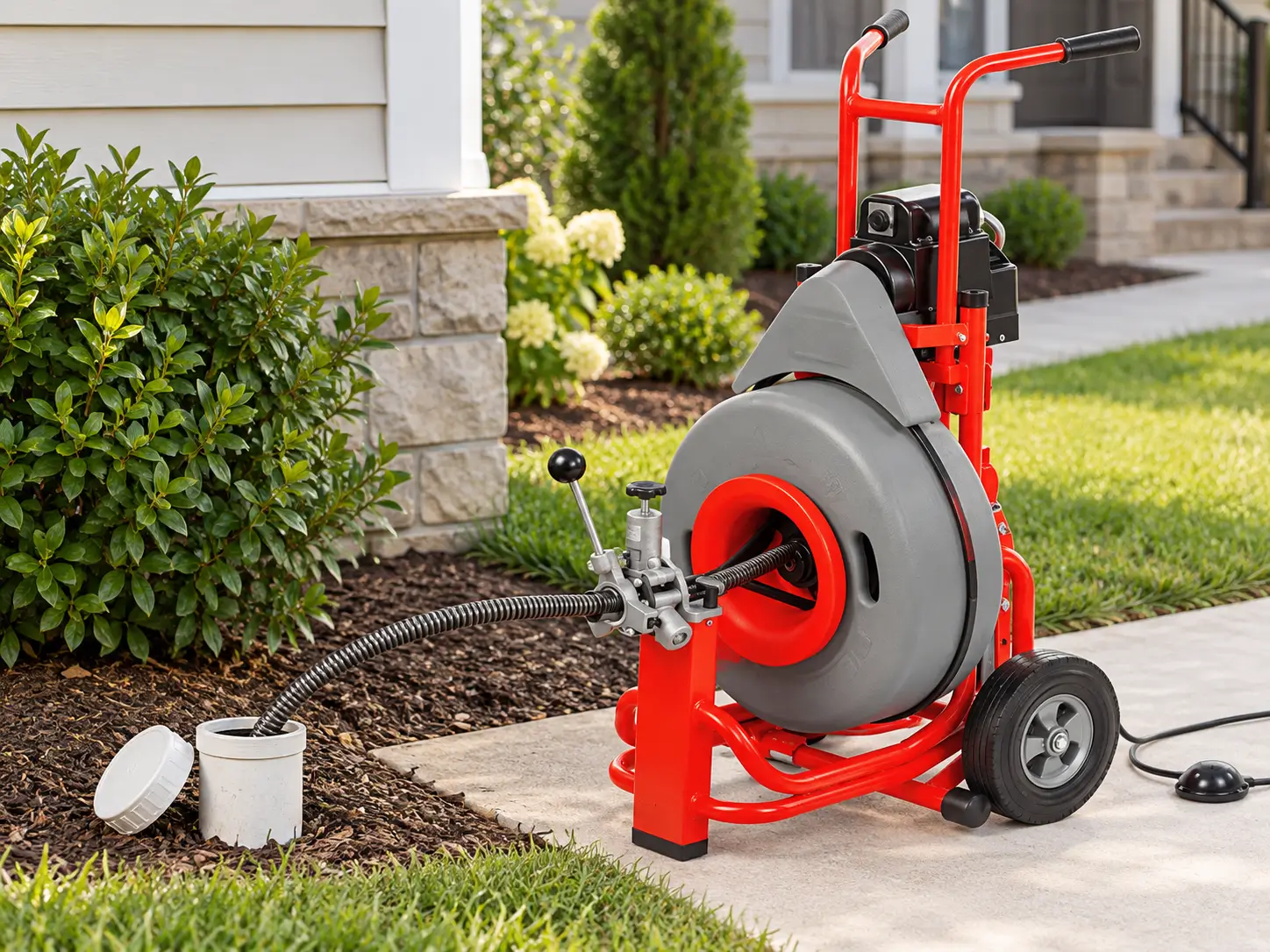
Sewer Cleaning
Remove buildup and obstructions from sewer lines when cleaning is appropriate. A camera inspection can help document line conditions before or after cleaning.
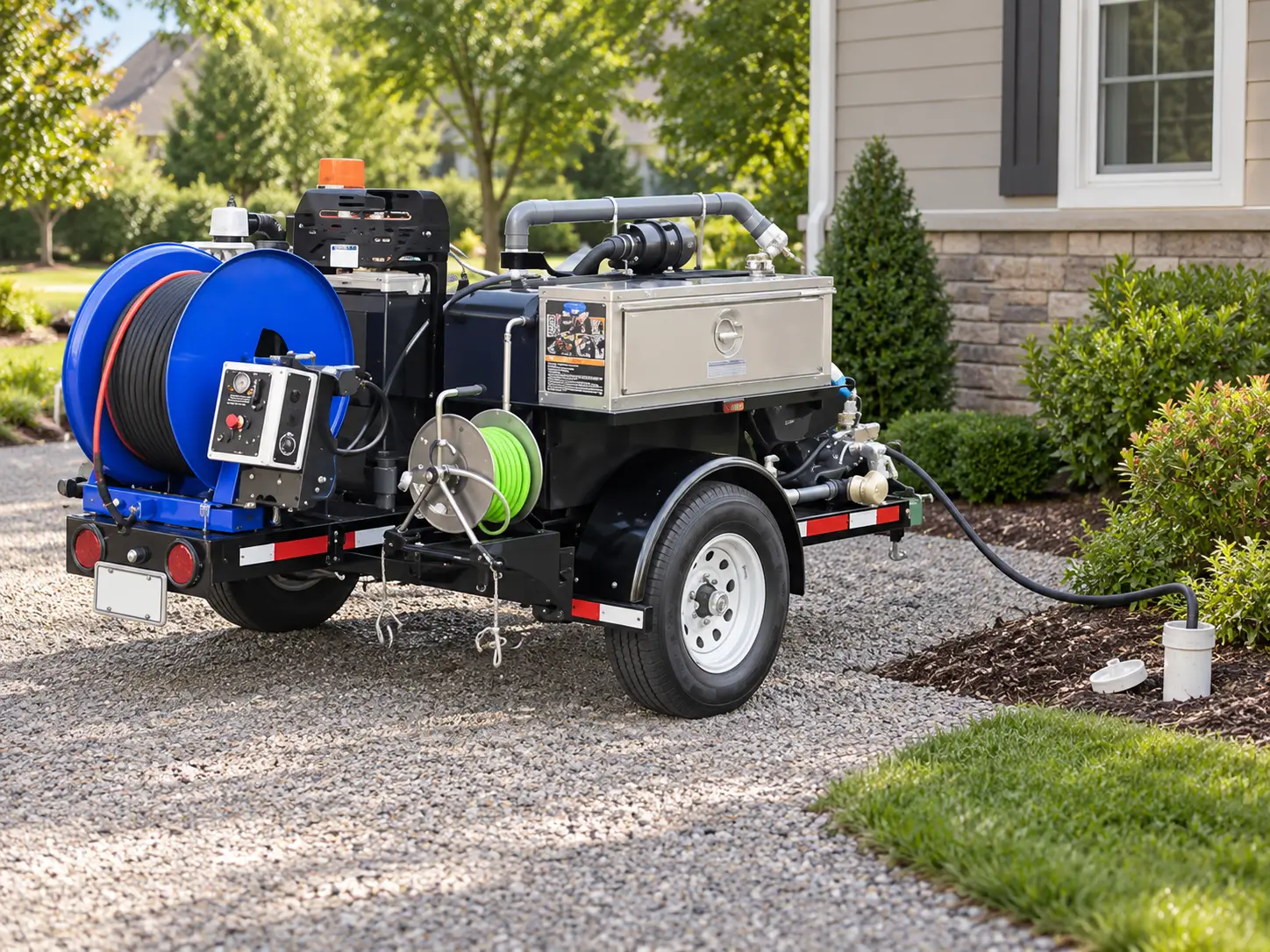
Hydro Jetting
Use high-pressure water to clean eligible sewer lines. Whether jetting is appropriate depends on the line’s observed condition.
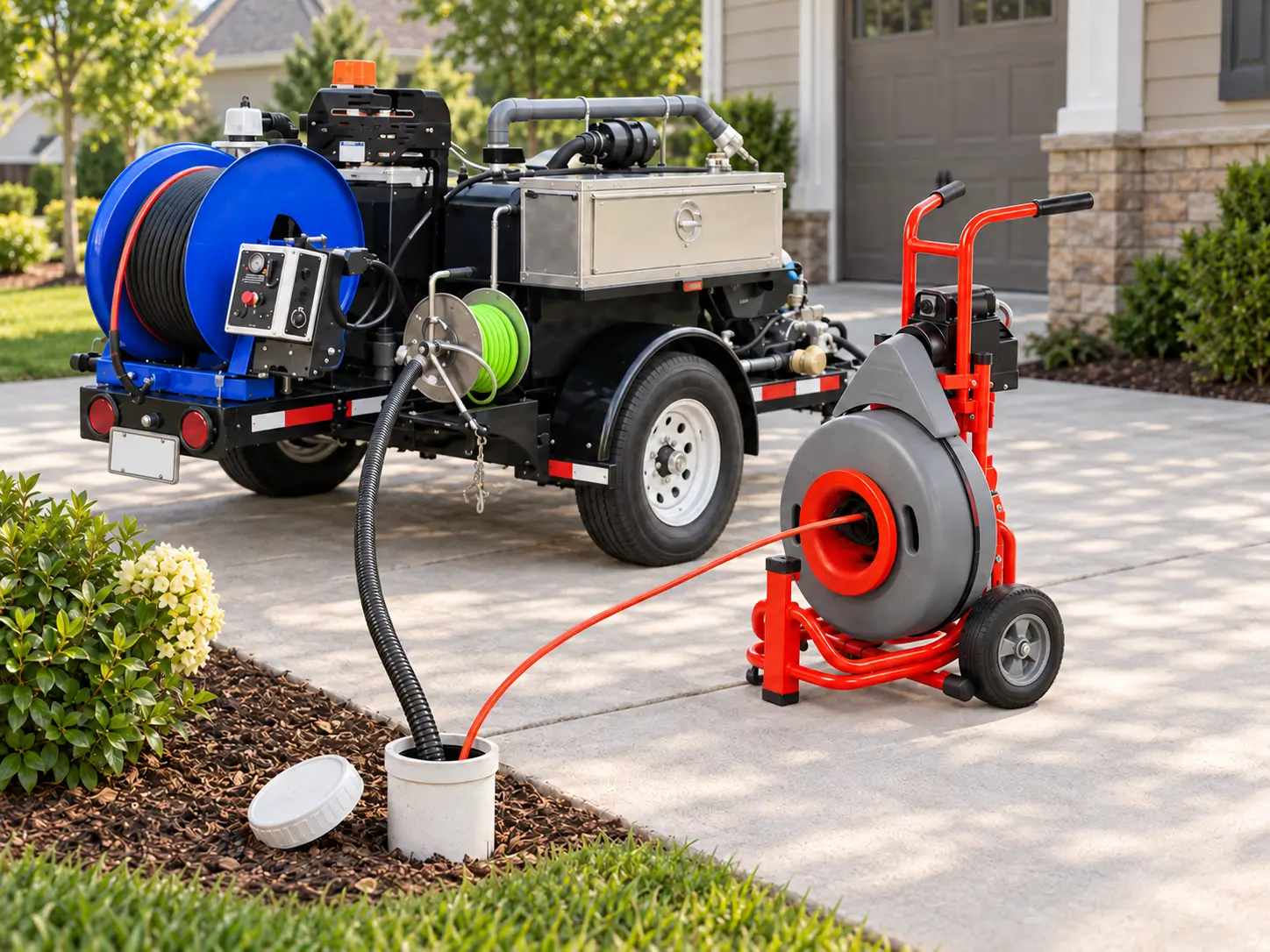
Sewer Cleaning & Camera Inspection
Combine cleaning with visual documentation of the line. See what was observed and whether cleaning changed the conditions visible by camera.
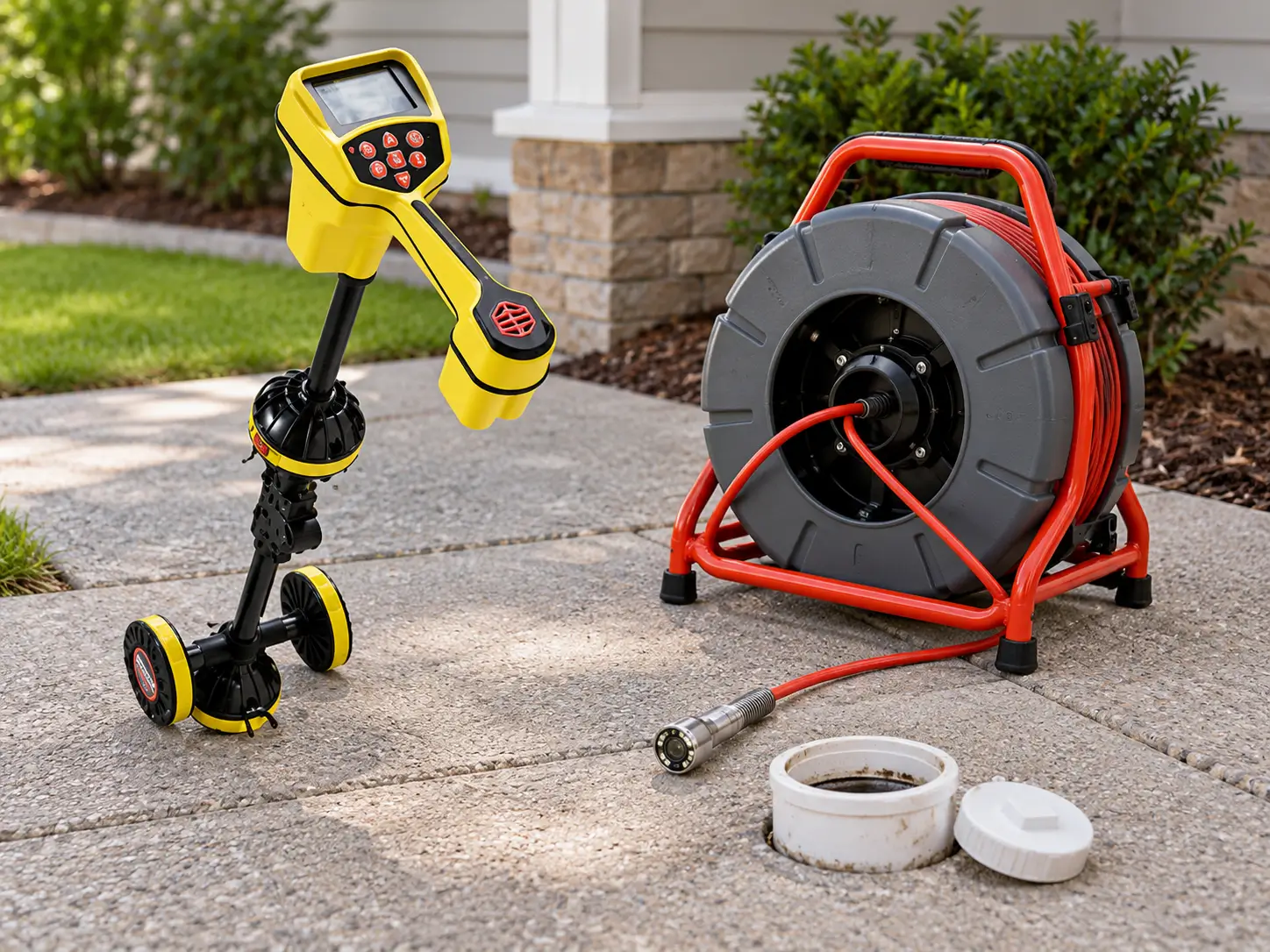
Sewer Line Locating
Help identify the route of an accessible sewer line and locate a specific area when conditions allow. Useful when planning further evaluation or work.
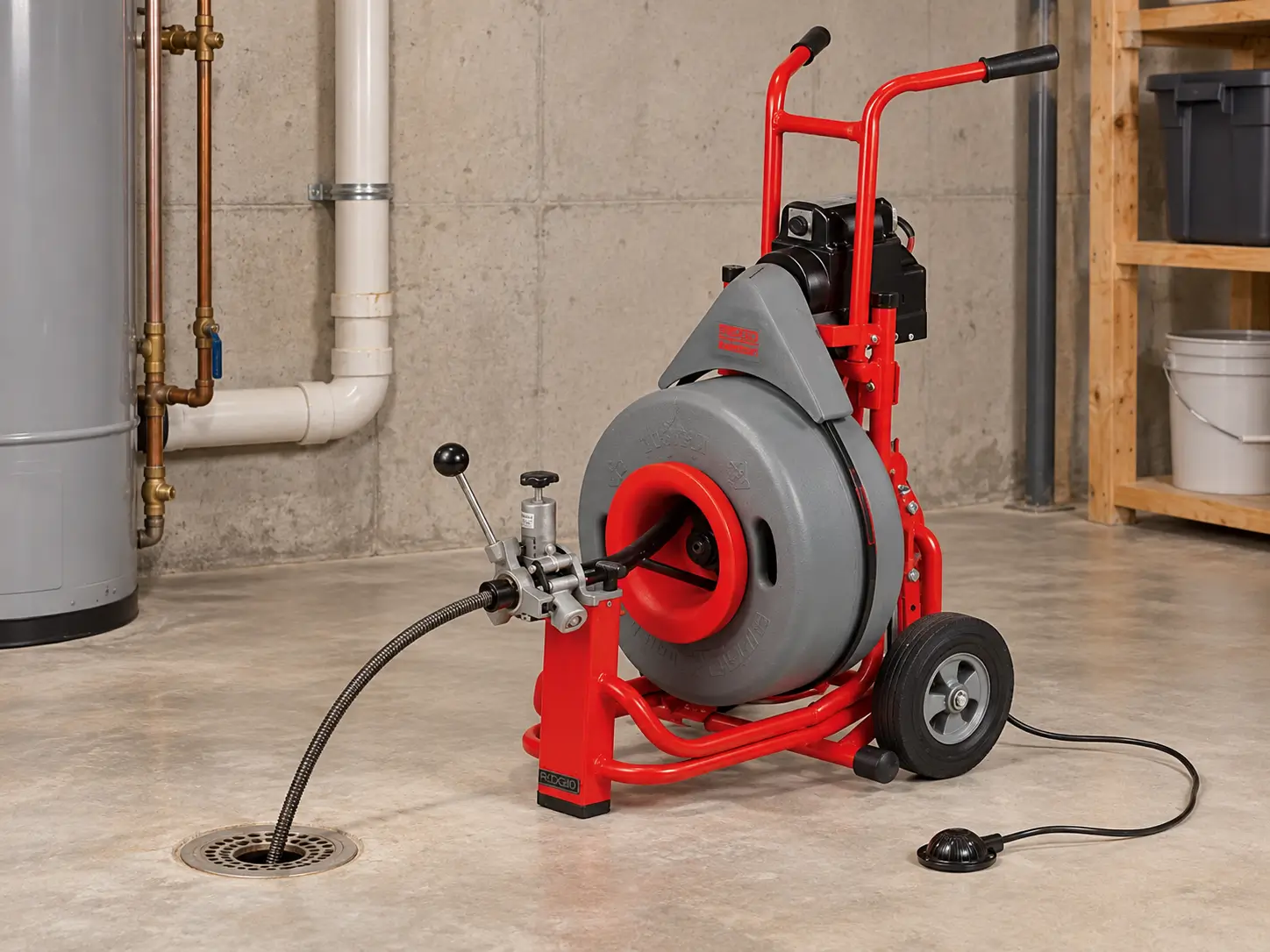
Drain Cleaning
Address buildup or blockages in drains serving sinks, tubs, and other fixtures. The service focuses on the affected drain and the reported symptoms.
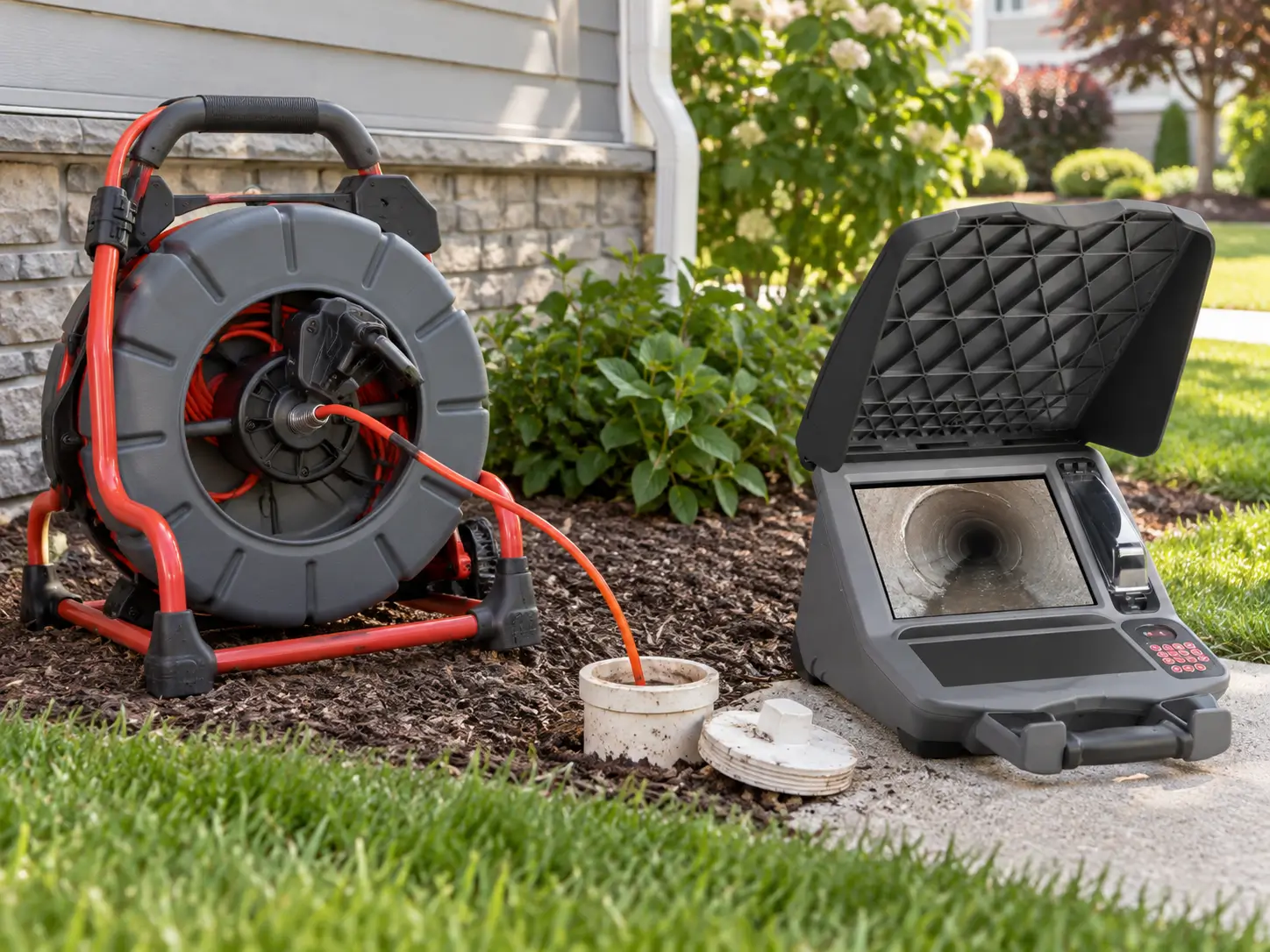
Pre-Purchase Sewer Inspection
Get a visual assessment of accessible portions of the sewer line before buying a property. The findings can help inform your due diligence.
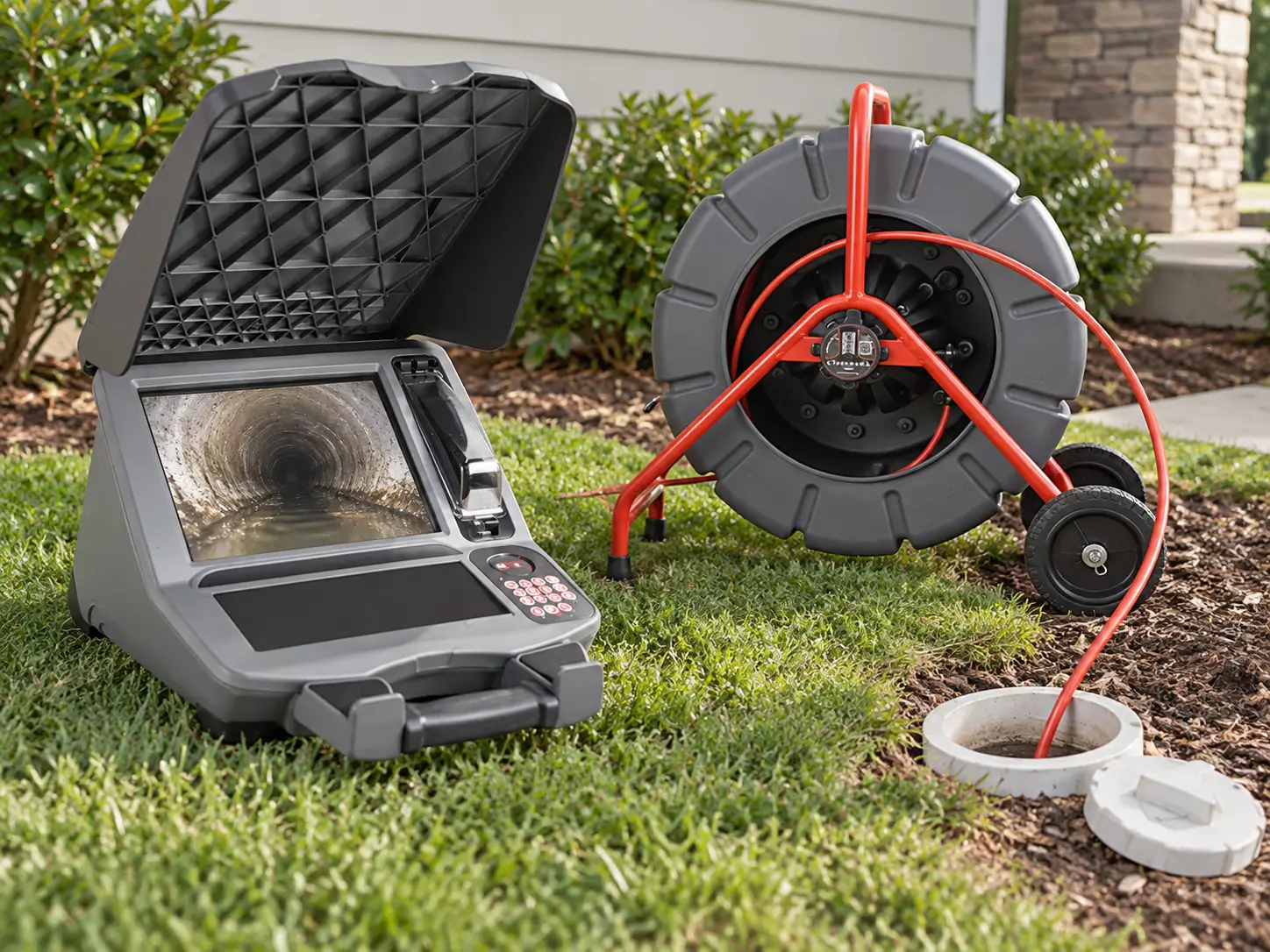
Recurring Sewer Backup Diagnosis
Investigate recurring backups and document conditions observed during the inspection. Findings can help clarify what may be contributing to the problem.
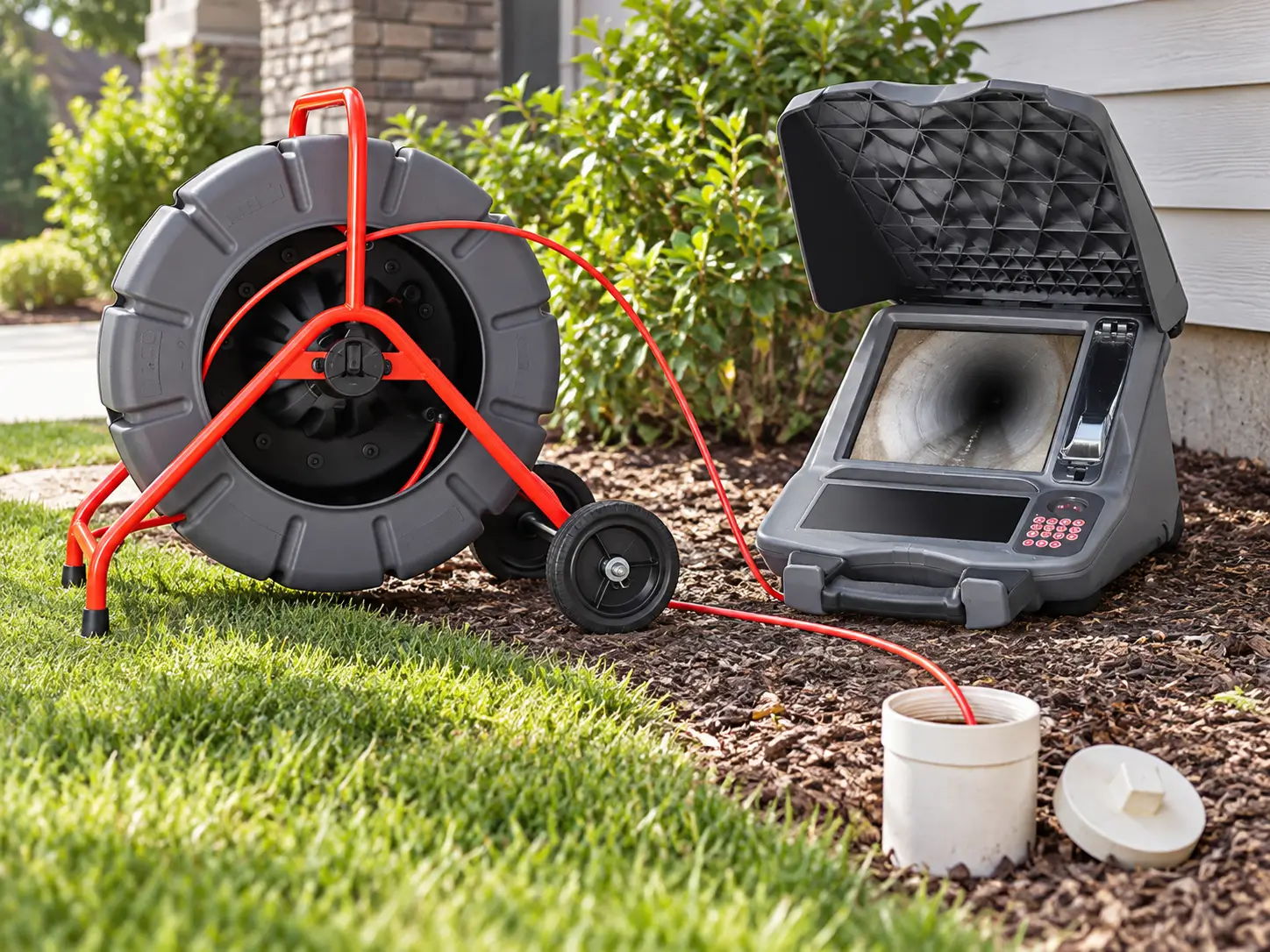
Preventative Sewer Maintenance
Arrange sewer inspection or cleaning based on the line’s condition and service needs. Recommendations should be guided by observed evidence.
How we work
The inspection is the product
Finding out what is happening in the line is the job, not a step toward selling a repair.
You see the evidence
Conditions found in the line are documented so you can look at them yourself.
Sewer and drain specialists
Sewer inspection, diagnostics, locating, and cleaning, rather than general plumbing.
The next step stays your decision
If the line needs work beyond cleaning, you decide what to do about it and who does it.
Other St. Louis area locations
Featured service locations
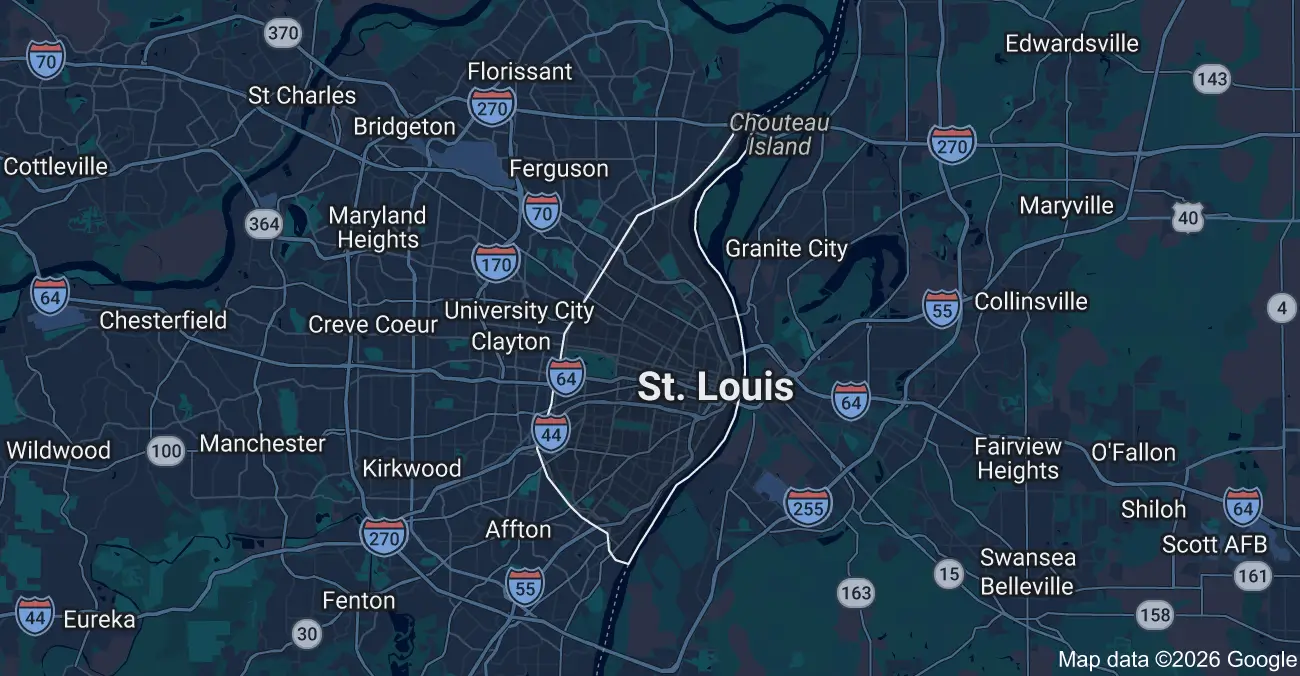
St. Louis City, MO
MSD runs the public sewer for the whole city, and the lateral from your building to that main is the owner’s to maintain.
ZIP codes: 63101, 63102, 63103, 63104, 63106, 63107, 63108, 63109, 63110, 63111, 63112, 63113, 63115, 63116, 63118, 63120, 63139, 63147
Explore St. Louis City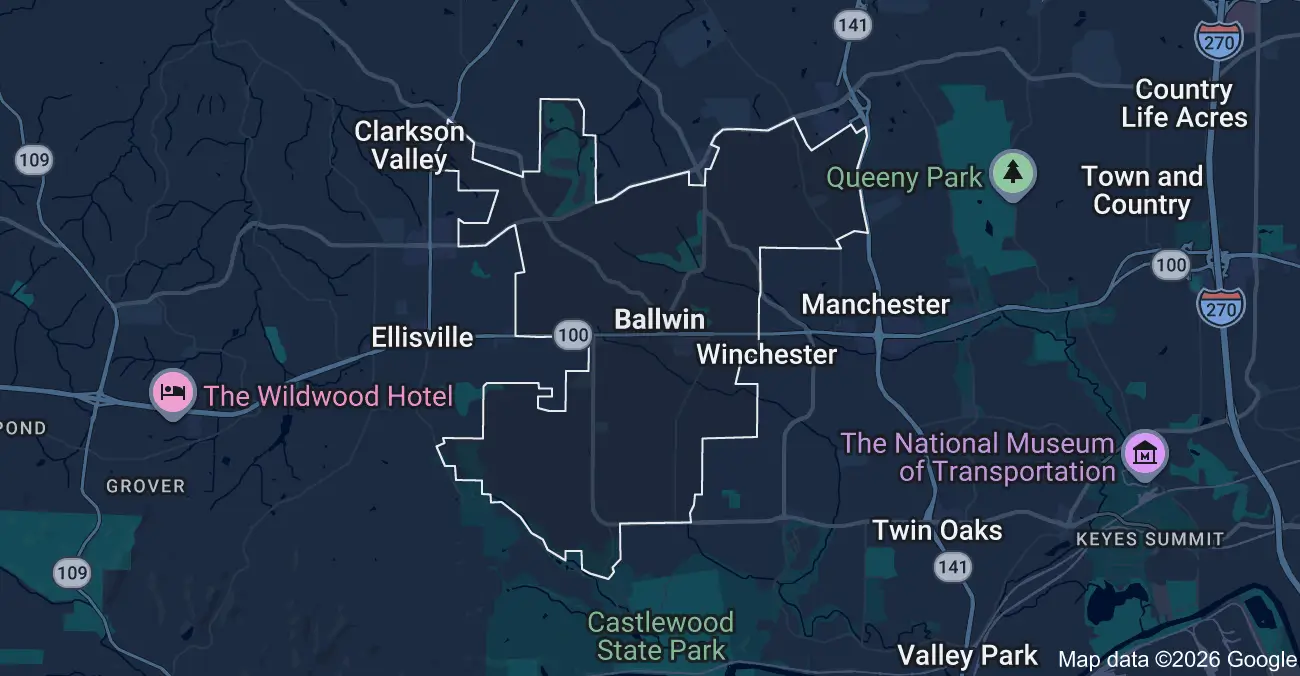
Ballwin, MO
Ballwin runs its own lateral repair program, which starts at the outside wall of the house. A camera inspection shows where along the line a defect sits.
ZIP codes: 63011, 63021
Explore Ballwin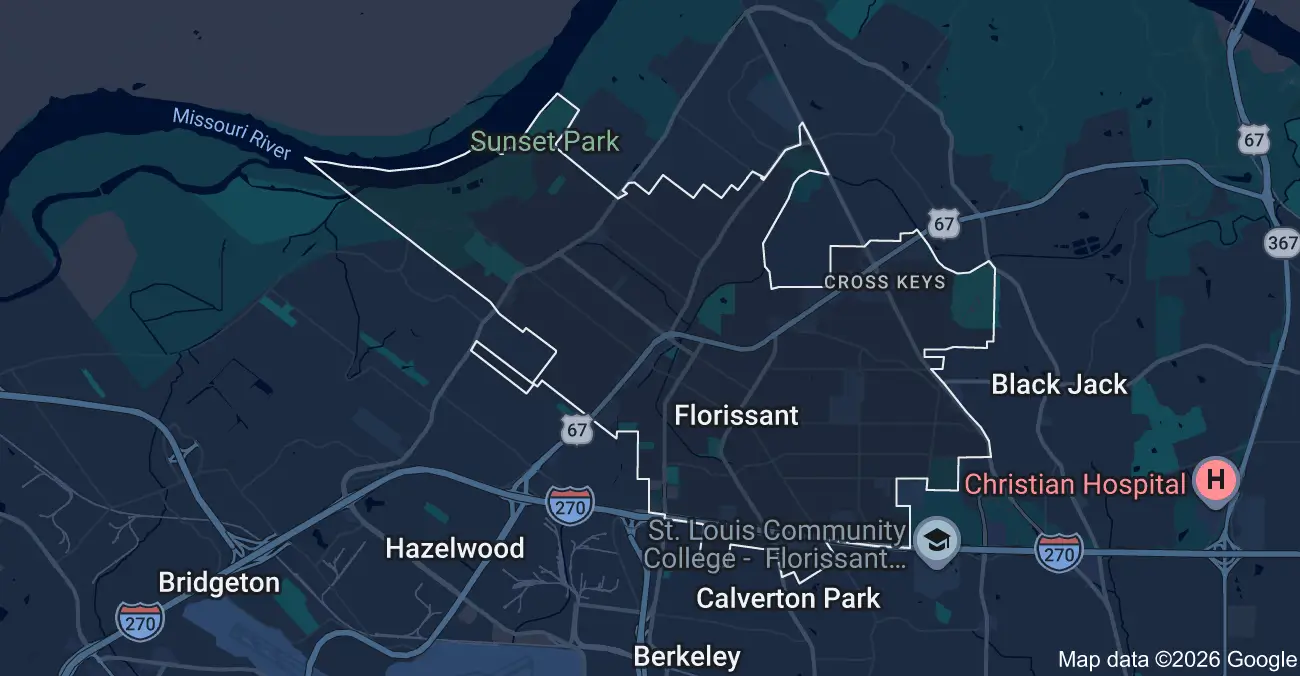
Florissant, MO
Florissant’s City lateral program stops five feet from the foundation, so where along the line a defect sits matters.
ZIP codes: 63031, 63033
Explore Florissant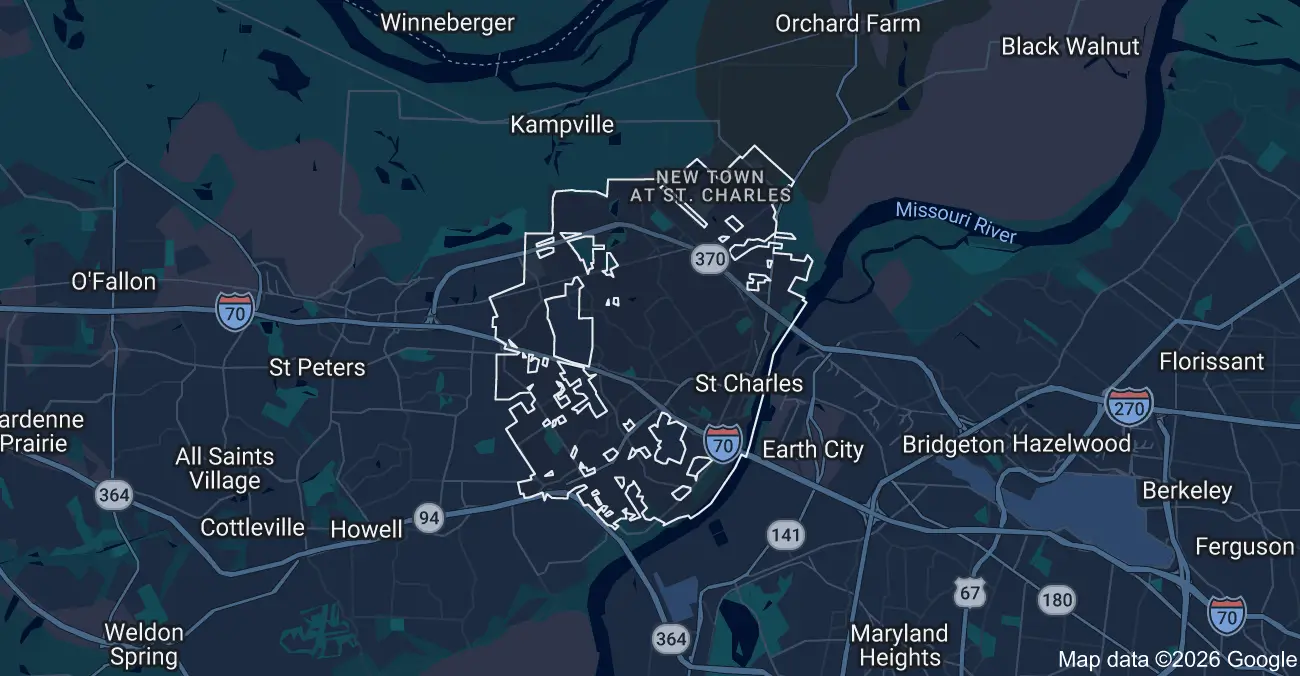
St. Charles, MO
St. Charles runs its own sewer system through City Public Works, outside the area MSD defines as its service area.
ZIP codes: 63301, 63303
Explore St. Charles
Do not see your community listed?
These featured locations do not represent the full limit of our greater St. Louis service area. Tell us where the property is located and what is happening with the sewer line, and we will confirm whether service is currently available before you schedule.
What our customers say
4.9 out of 5from 595 Google reviews · as of
Common questions about Sewer Camera Inspection in Chesterfield
In Chesterfield
Who is responsible for a sewer lateral in Chesterfield?
MSD states that the lateral line and its connection to the public sewer are private property, so the property owner is responsible for maintaining and repairing them. Chesterfield’s City program can pay qualifying repair costs under its own eligibility and defect rules, but it is a cost program, not a change in who owns the lateral.
Does Chesterfield have a sewer lateral repair program?
Yes. The City runs a Residential Sanitary Sewer Lateral Repair Program funded by a $28 annual fee on eligible residential real-estate tax bills, collected by St. Louis County. The City says it took effect January 1, 2001.
Which Chesterfield homes can qualify for the lateral repair program?
The policy covers owner-owned single-family homes, duplexes, condominium buildings and multifamily buildings with up to six dwelling units. Commercial and industrial properties and larger buildings are excluded, and owners who are delinquent on their tax bill cannot participate.
How much can Chesterfield’s lateral program pay?
The City’s policy allows 100% of authorized costs up to $15,000 for a qualifying defective lateral. Costs above that are the owner’s, and street pavement and sidewalk restoration in the right-of-way is not counted toward the limit. These terms come from the City’s March 2026 policy, so confirm current terms and funding with Public Works.
Does Chesterfield’s program cover a clogged line or tree roots?
Not automatically. The City requires the owner to have the line cabled first and does not reimburse that step. Roots growing through pipe bells and joints are treated as routine maintenance when removing them lets the line work, while a severe blockage that cannot be cabled out can meet the City’s definition of a defective lateral.
What does a Chesterfield owner submit to apply?
The owner, not a tenant, submits the application with a $200 non-refundable fee, written proof dated within 6 months that a licensed plumber or drainlayer could not open the line, and a paid real-estate-tax receipt. The City’s form also asks for a hold harmless agreement and the paid cabling bill.
What should I do if sewage backs up in my Chesterfield building?
MSD tells customers with a building backup to call 314-768-6260 so it can inspect and determine whether the situation qualifies for its limited assistance program. MSD treats raw sewage inside or outside a home, missing manhole covers and flooded streets as urgent reports.
Is a sewer inspection required before buying a Chesterfield home?
We found no residential point-of-sale or transfer sewer-lateral inspection requirement in the City’s published materials we reviewed, so this reads as none found rather than a confirmed absence. Chesterfield’s occupancy and re-occupancy materials address businesses. A buyer can still choose to inspect before closing.
Do you repair or replace sewer lines?
No. We inspect, locate, diagnose and clean. That independence is the point: our recommendations are not built around selling a repair.
How it works
What is a sewer camera inspection?
How does a sewer camera inspection work?
Where does the camera go in?
Can a sewer camera find a clog?
Should the line be cleaned before the camera goes in?
What it can and can’t show
What can a sewer camera inspection show?
What can’t a sewer camera inspection show?
Can a sewer camera tell how deep the pipe is?
No. A camera shows what is inside the pipe, not how deep it sits or where it runs in your yard. It also does not measure pipe slope. Sewer line locating can estimate a position from the surface, and a locate is an estimate, not a survey.
Can a sewer camera see tree roots?
Can a sewer camera see a leak?
Will the camera show a belly or sag in my line?
What does standing water in the line mean?
Why might the camera not reach the whole line?
Is it right for my situation?
Do I need a camera inspection if my drains are slow or gurgling?
Should I get a sewer scope before buying a house?
How often should I have a sewer camera inspection?
Why shouldn’t "flushable" wipes go in the toilet?
Records, locating, and next steps
Will I get the video and written findings?
Can you mark where a point is in my yard?
What should I keep after the inspection?
What should I do if the inspection finds a problem?
Scope and service areas
How much does it cost, and how long does it take?
Sources
- MSD Project Clear: Lateral line (updated August 20, 2025)
- MSD Project Clear: Sewer backups (updated December 18, 2019; confirm the phone number with MSD)
- MSD Project Clear: Building cleanup guide questions (updated August 20, 2025)
- MSD Project Clear: Conway Meadows Sanitary Relief project (undated)
- U.S. Census Bureau: American Community Survey 2019-2023 5-year estimates (Chesterfield city housing age; owner-approved, primary table check pending)
- MSD Project Clear: Service area (February 10, 2020)
- City of Chesterfield: Residential Sanitary Sewer Lateral Repair Program
- City of Chesterfield: Sewer Lateral Policy & Procedures (dated March 2026)
- City of Chesterfield: Sewer lateral program application (Rev. May 31, 2024)
- City of Chesterfield: Who To Call (undated)
- City of Chesterfield: Occupancy permits (January 1, 2025)
- City of Chesterfield: Re-occupancy materials (undated)
Last reviewed: October 1, 2026. Official guidance can change, so confirm details with MSD or the City for your address.
Schedule an inspection
Request service
Step 1 of 4