
San Diego
Sewer Camera Inspection in San Diego
In San Diego, the City says the owner maintains the sewer lateral all the way to its connection with the City sewer main, even where that connection is in the street, an easement or a canyon, and we did not find a City program that helps owners pay for lateral work. A camera inspection records what is inside that line, on video, with written findings, before you clean it, buy the home, or approve work.
Your responsibility runs to the City main, wherever that is
The City’s Public Utilities Department says the property owner is responsible for maintaining the sewer lateral from the property all the way to its connection with the City sewer main. That connection can be in the street, beyond the property line, in an easement or in a canyon, so the City says responsibility does not stop at the lot line or the curb.
A camera shows what is inside the pipe, not where the pipe or the connection sits. You receive the inspection video and written findings, and the footage records where along the line a condition sits, measured from where the camera entered. For where a lateral connects, the City says Development Services can help and offers a maps and records review (619-446-5300, the City’s number). The City also says it has no diagrams showing where private sewer lines run on the property, which is a question for line locating, a separate service.
No City help with lateral costs found, so evidence comes first
We did not find an active City program that gives homeowners a grant, reimbursement or other financial help with lateral repair, replacement, cleaning or inspection, in the Public Utilities sewer pages, the sewer construction page, the maps and records page, Information Bulletin 166 or Council Policy 400-10. That is “none found in the pages we reviewed”, not a statement that no help exists, so confirm with Public Utilities at 619-515-3500 (the City’s number). The City says its program for City crews to install sewer laterals is currently suspended.
Plan on arranging inspection, cleaning and any repair yourself. The camera is what you bring to those decisions: whether the line shows a blockage or a defect, where along it, and how that compares with a repair recommendation. Permits are a separate question. The City requires a Right-of-Way Permit for work in the public right-of-way or a sewer easement, and we did not find a City page on whether work confined to private property needs one, so ask Development Services (619-446-5242, the City’s number). A camera inspection does not tell you which approvals apply. The Sewer Pros inspects and documents; it does not perform repairs or replacements.
Buyers are in the same position. The City says that in addition to a home inspection, it is a good idea to get a licensed-plumber report on the condition of the home’s lateral connection. That is City guidance, not a requirement, and we found no City sale-time sewer-lateral rule; state-level rules are outside this page.
A break beyond the property line: the City’s process, and the footage
When a licensed plumber finds a break or collapse beyond the property line, the City directs the plumber to call what it calls its Sewer Emergency Line, 619-515-3525 (the City’s number, not ours), and to file a Plumber’s Report. The City says it will investigate within 24 hours. We did not find a current City statement of who pays for repairs beyond the property line, so we make none.
A dated recording shows what the camera found before that process starts, and where along the line. It does not establish where a property line is, and it cannot show anything below the waterline, so a line that is blocked and not draining may need cleaning before the camera can see it. For a break beyond the property line, the City’s own process governs.
A cleanout flush is not an inspection
The City names roots and cooking grease as leading causes of spills from both public sewers and private laterals. Council Policy 400-10 says the owner is responsible for periodic clearing of roots and other foreign matter from the lateral, and for a lateral with a cleanout the City recommends flushing it with a high-pressure hose at least once a year. A flush does not show what is inside the pipe. A camera does, in the section it reaches.
The City’s pages we reviewed do not publish a pipe material or an installation era, so the only way to know what a lateral is made of and how it is holding up is to look at it. The City also requires a special agreement, an Encroachment Maintenance Removal Agreement, for certain nonstandard laterals, including those that connect in a sewer easement, have inadequate slope or unusual depth, or run near trees or a driveway. That is a City design and permit rule, not a finding about any one property, and a camera does not measure slope or depth. A visibly clear line is not proof that the whole line, or the ground around it, is in good condition.
When to call
Recurring clogs
Clogs that keep returning may warrant a look at the accessible line instead of clearing each one as a separate event.
Slow-draining sinks, tubs, or toilets
Slow drains can have several causes. A camera can document what is visible in the accessible line.
After a sewage backup
After a backup, a camera may help document what is visible. If the line is blocked and not draining, cleaning may need to come first.
The lateral is yours up to the main
The City says the owner maintains the lateral all the way to the connection with the City main, even in a street, easement or canyon. We found no City program that helps owners pay, so evidence before spending matters.
What's included
Inspection video
When a camera is used, you receive the inspection video.
Written findings
Written findings are included.
Visible conditions noted
The findings note the conditions that are visible inside the line.
Parts not viewed, stated
Any part of the line that could not be viewed is noted, so the record says what it does not cover.
Live view at the monitor
The technician watches the monitor and pauses at visible features or conditions.
An identified entry point
The technician identifies an accessible entry point, commonly an exterior cleanout.
What happens on site
Access
The technician identifies an accessible entry point, commonly an exterior cleanout.
Camera entry
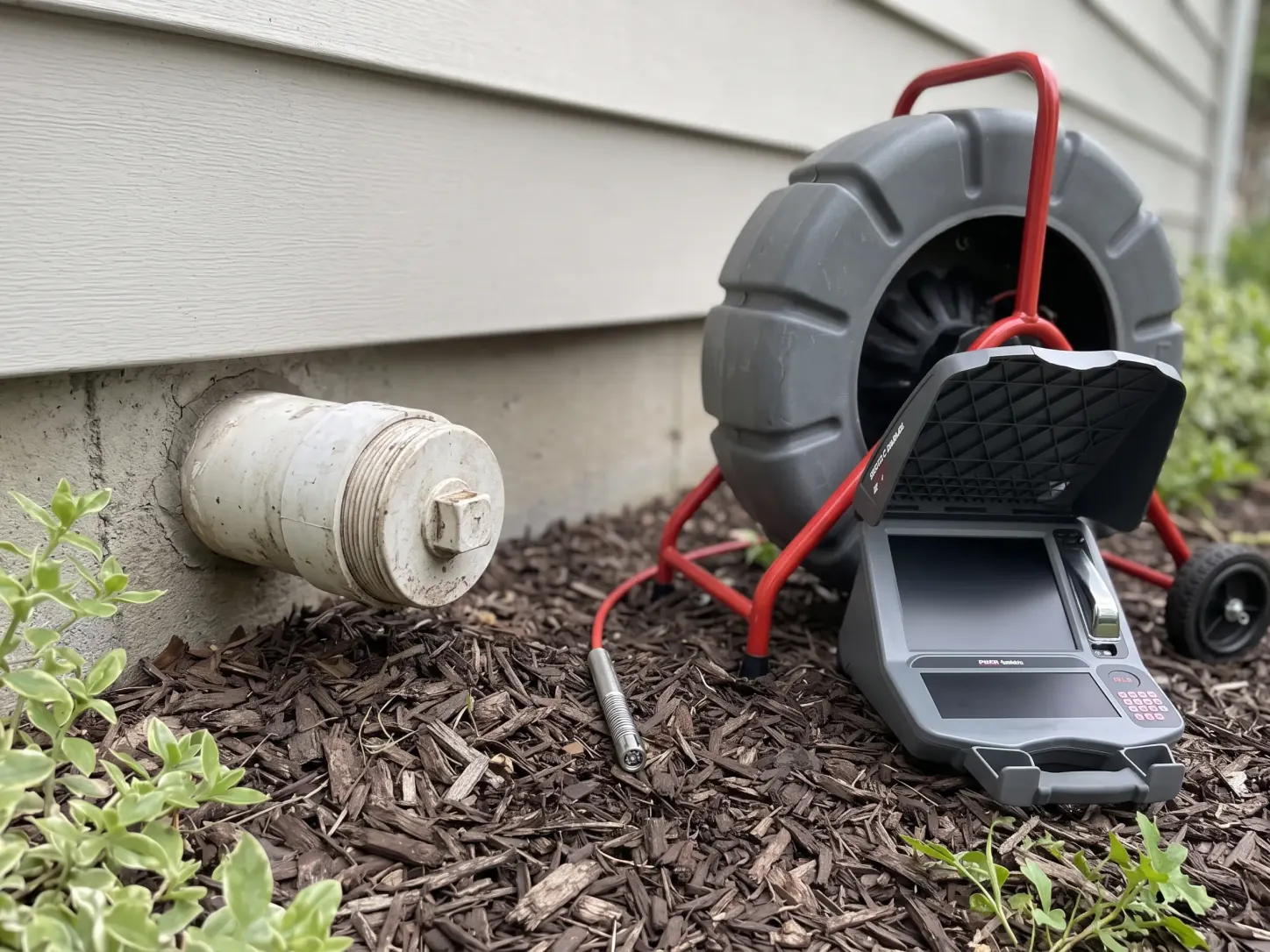
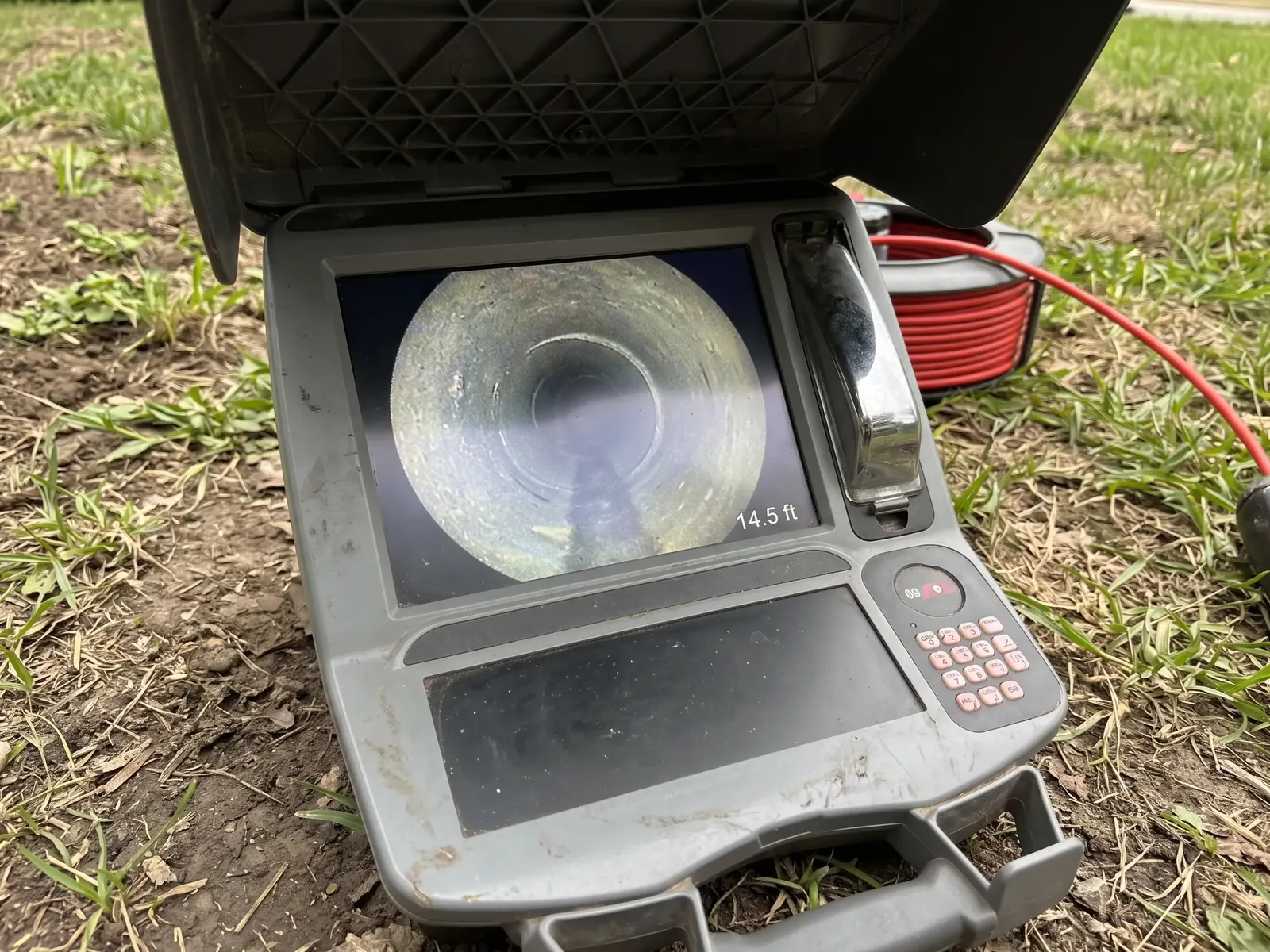
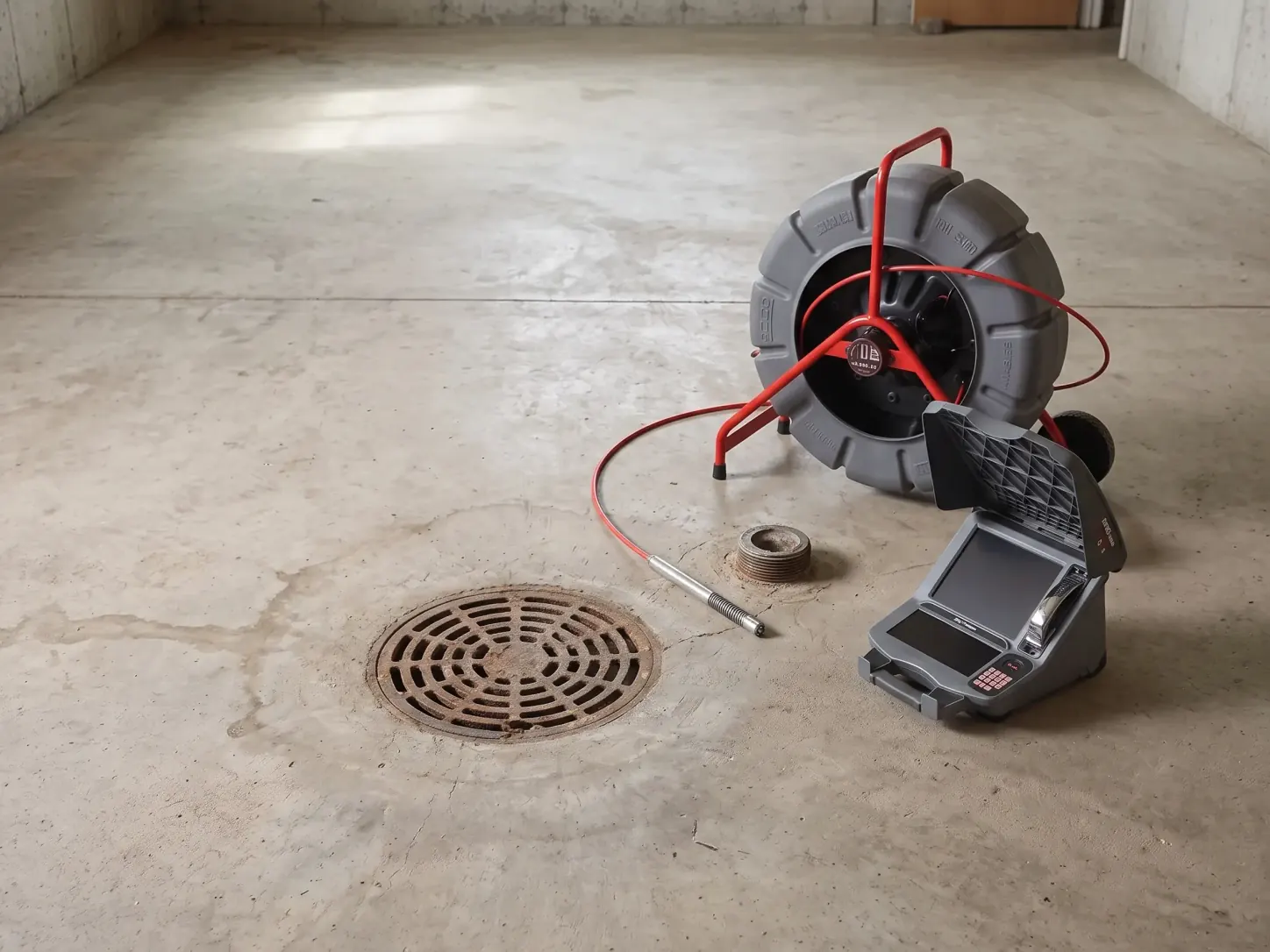
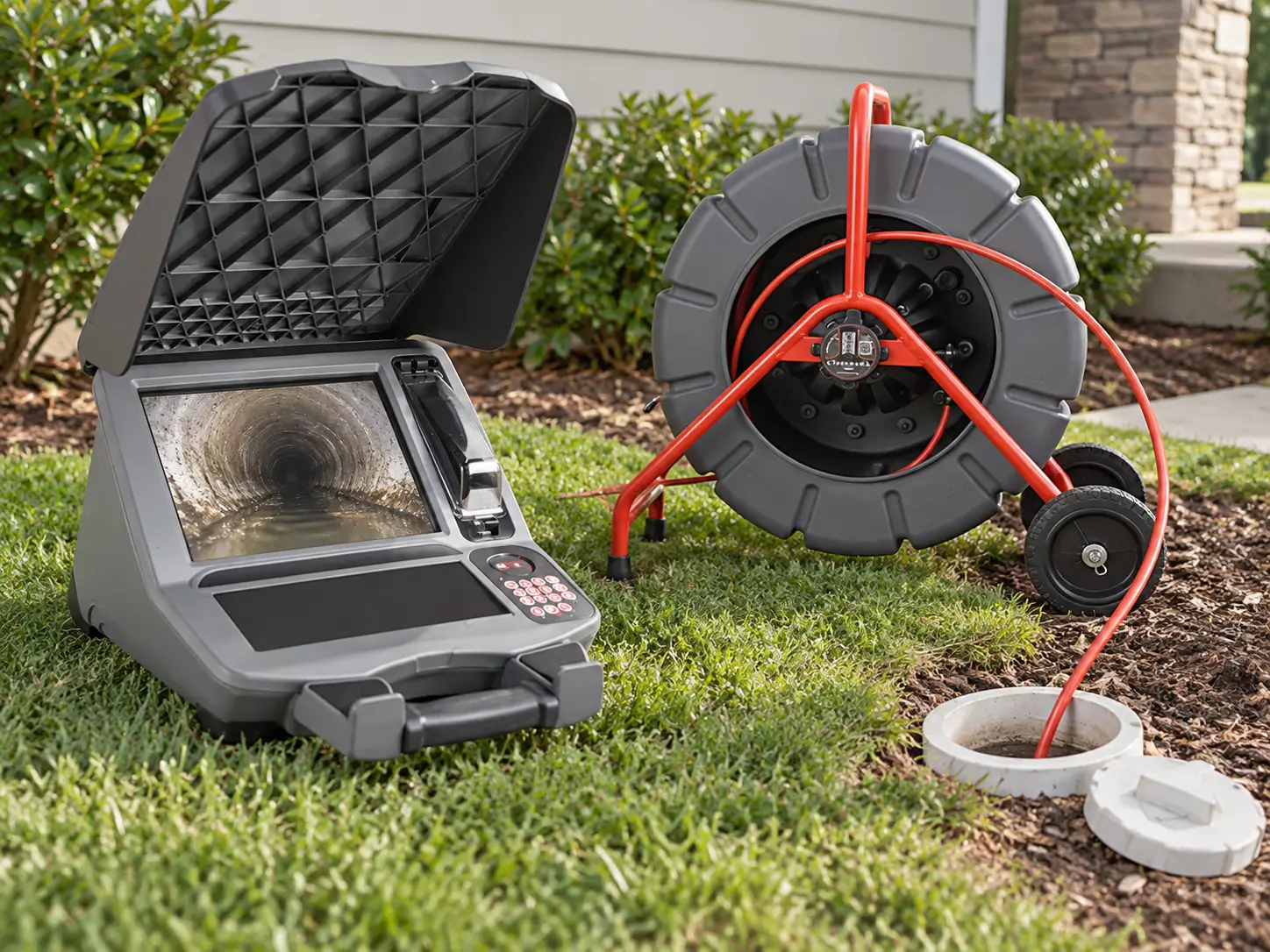
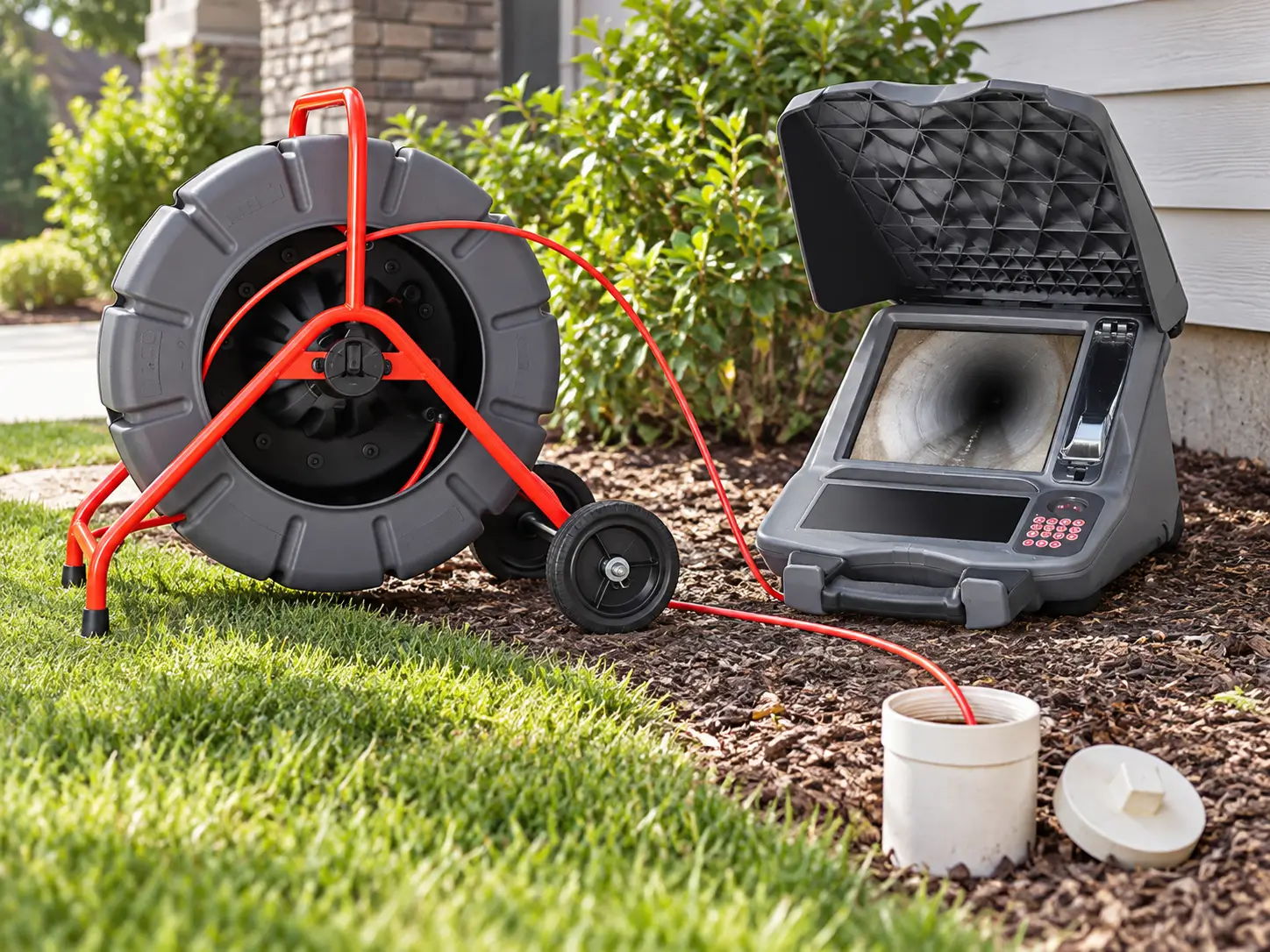
A camera on a flexible push cable is inserted and advanced through the accessible line. Our equipment includes the SeeSnake CS12x and the SeeSnake Standard Camera Reel with TruSense.
Live viewing
The technician watches the monitor and pauses at visible features or conditions.
Recording
When a camera is used, you receive the inspection video.
Documentation
Visible conditions are noted, along with any part of the line that could not be viewed.
Sewer Inspection, Diagnostics & Cleaning Services
The Sewer Pros provides sewer camera inspections, sewer diagnostics, sewer cleaning, hydro jetting, sewer line locating, and drain cleaning for residential properties. We document the conditions we observe so property owners, homebuyers, and property managers can understand the issue and consider appropriate next steps.
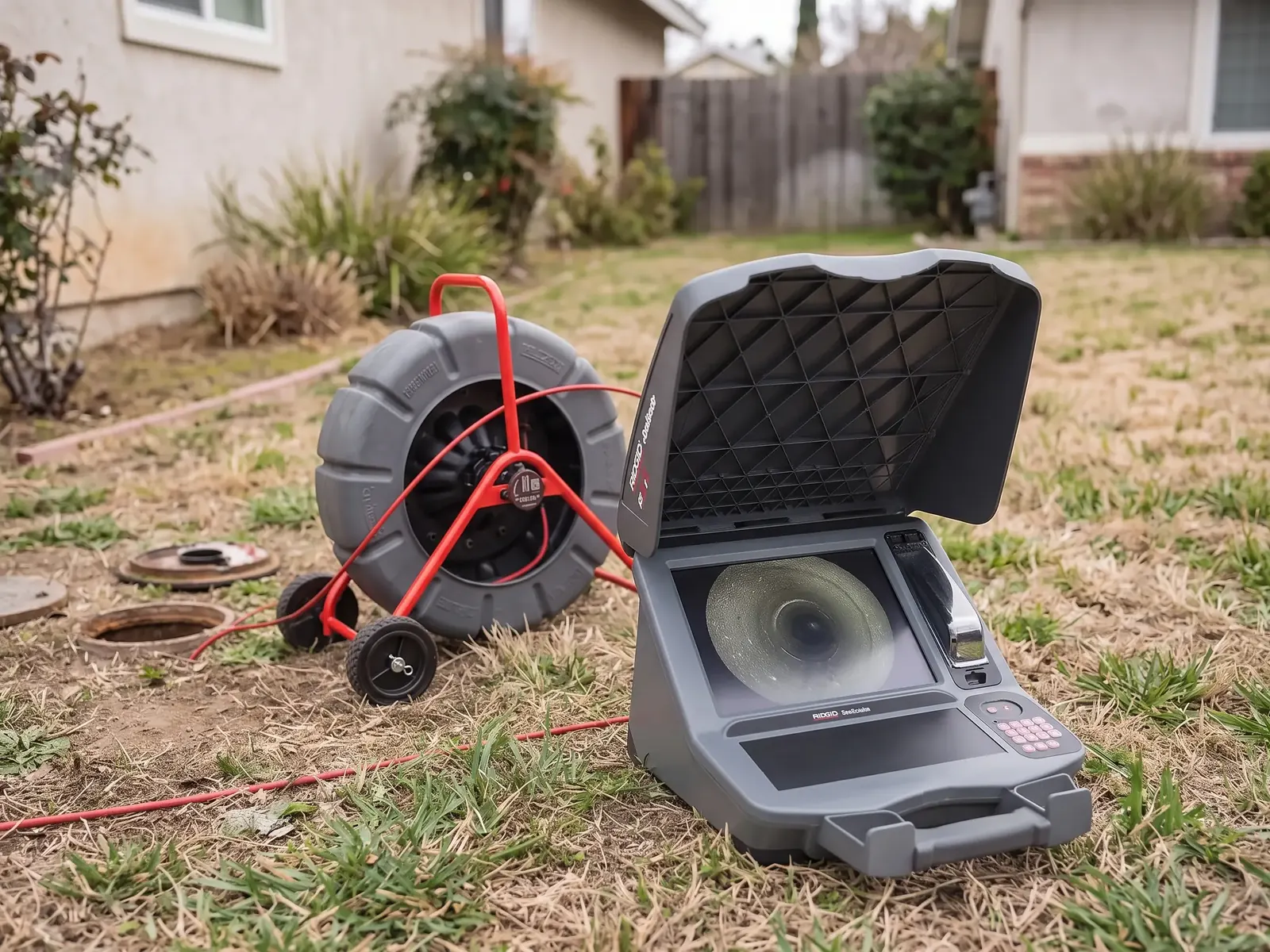
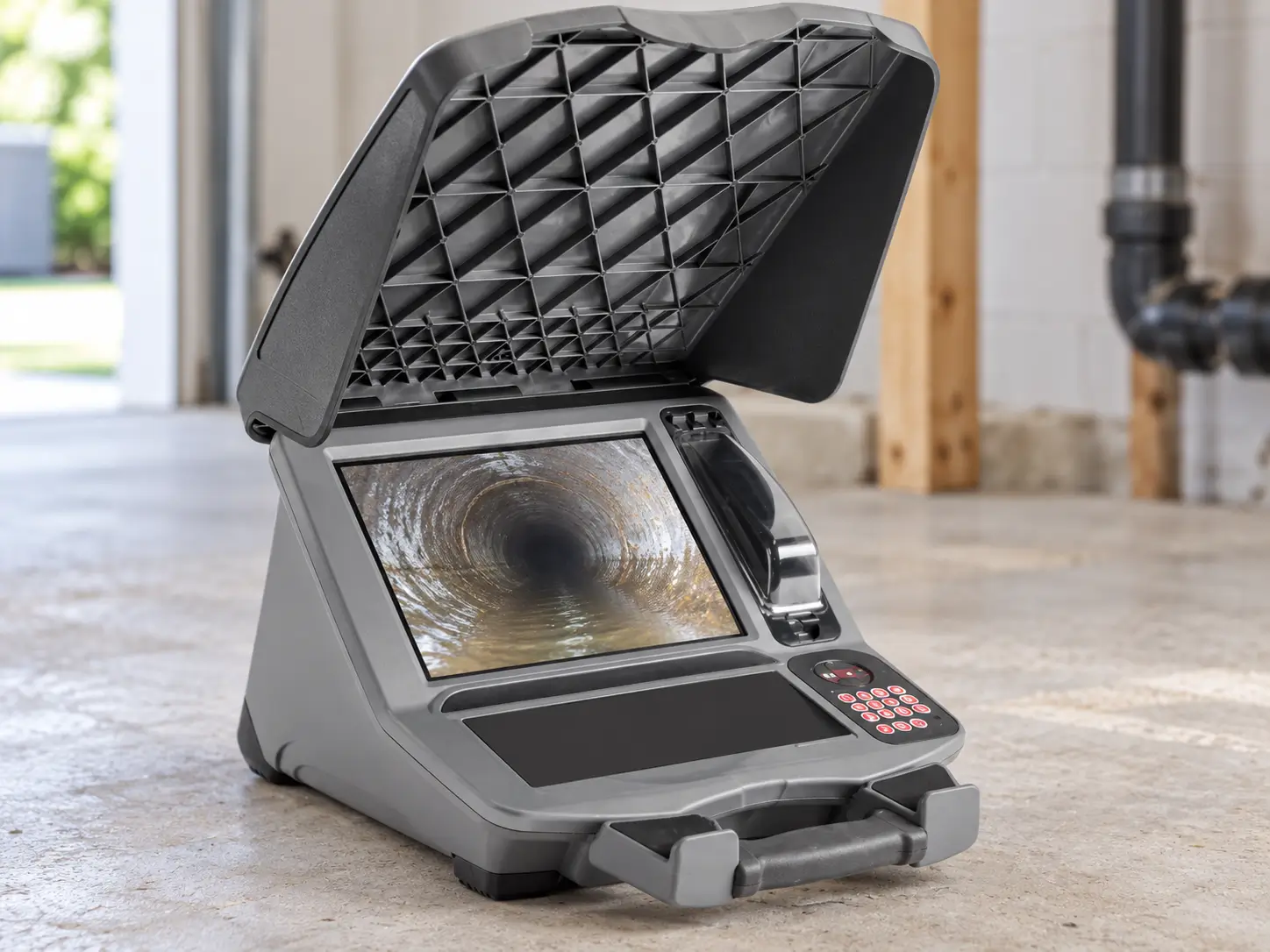
Sewer Camera Inspection
A camera inspection of the accessible sewer line, documenting what is visible. It can help identify observed conditions and support an informed next-step decision.
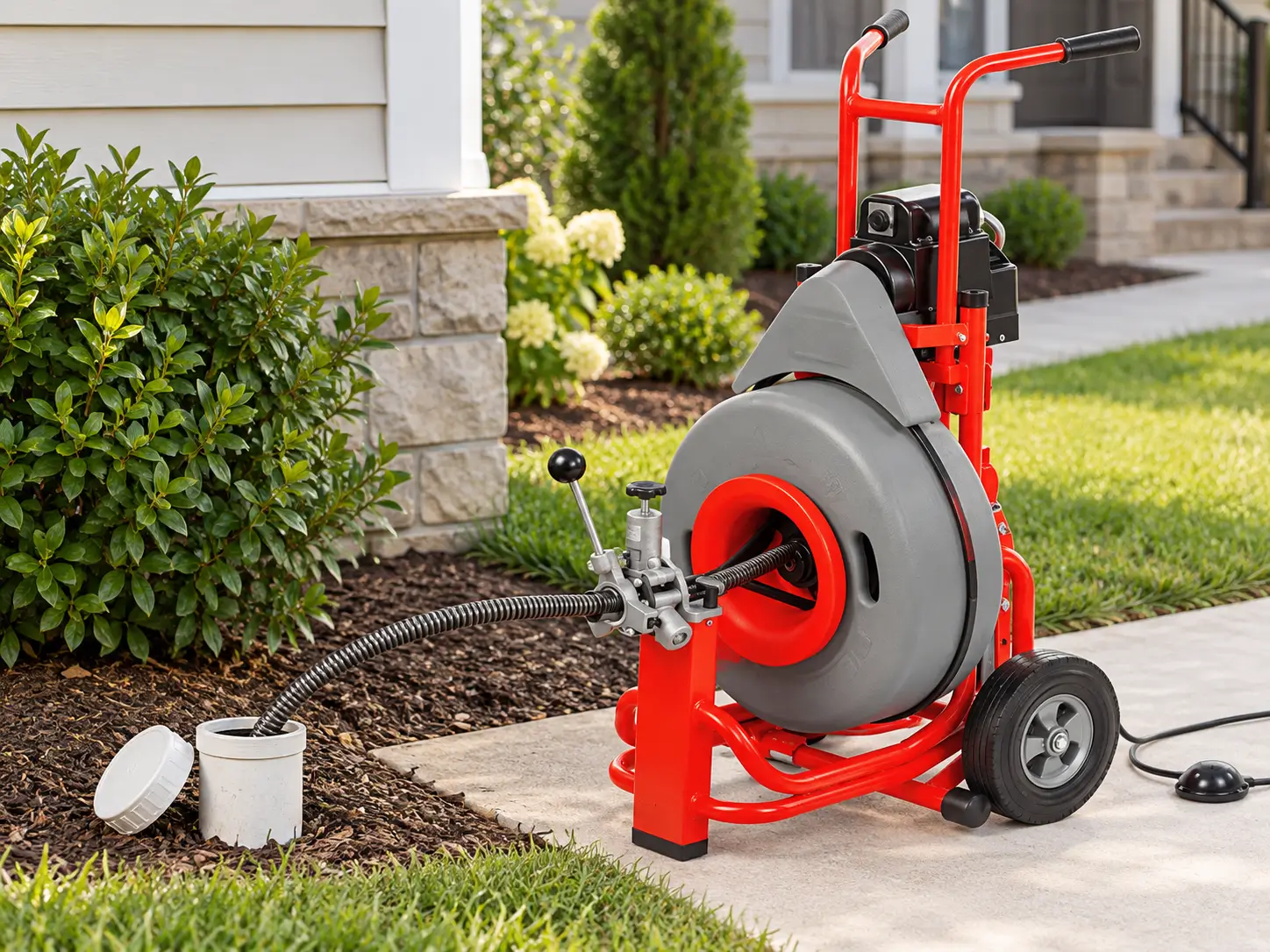
Sewer Cleaning
Remove buildup and obstructions from sewer lines when cleaning is appropriate. A camera inspection can help document line conditions before or after cleaning.
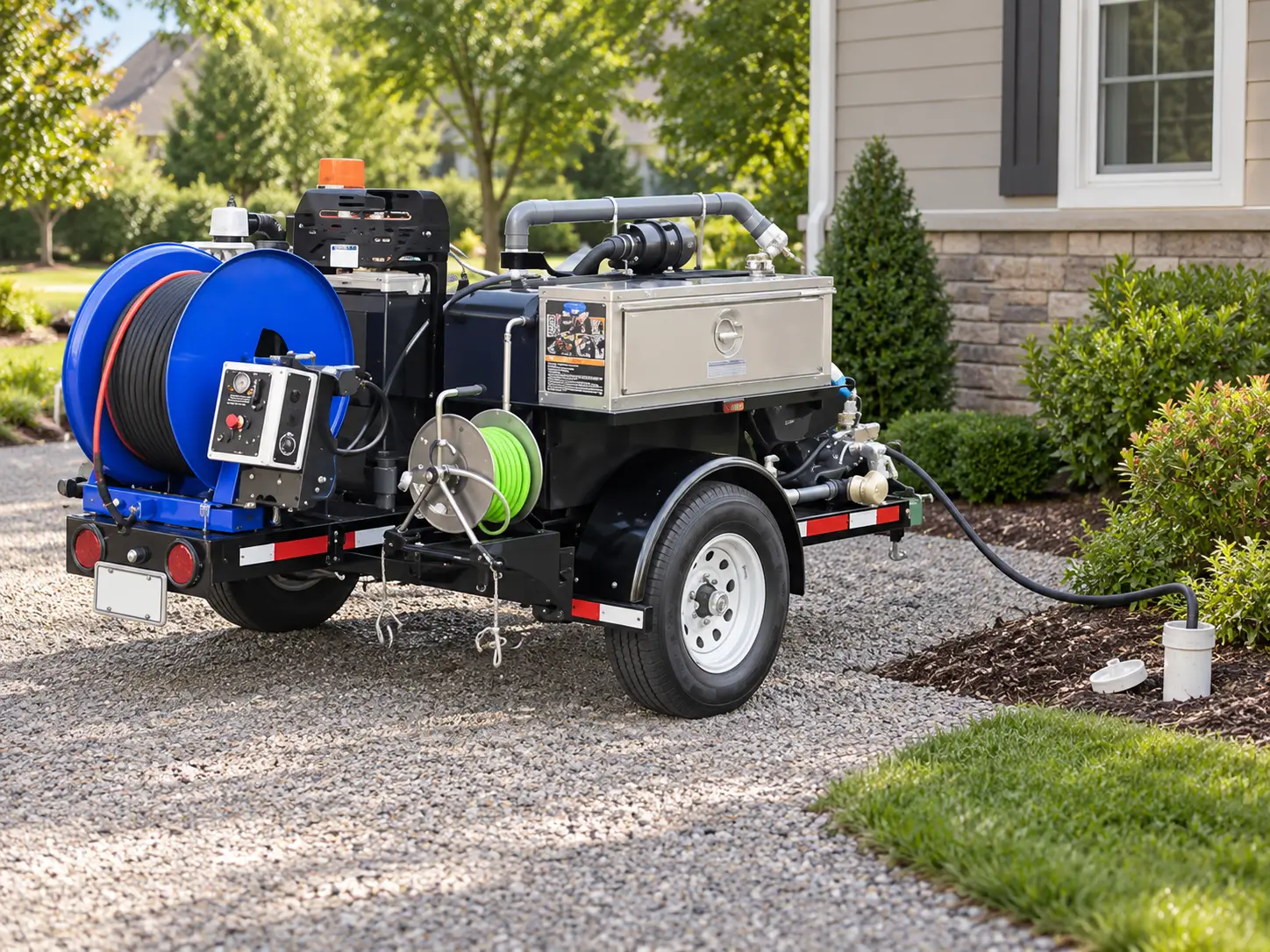
Hydro Jetting
Use high-pressure water to clean eligible sewer lines. Whether jetting is appropriate depends on the line’s observed condition.
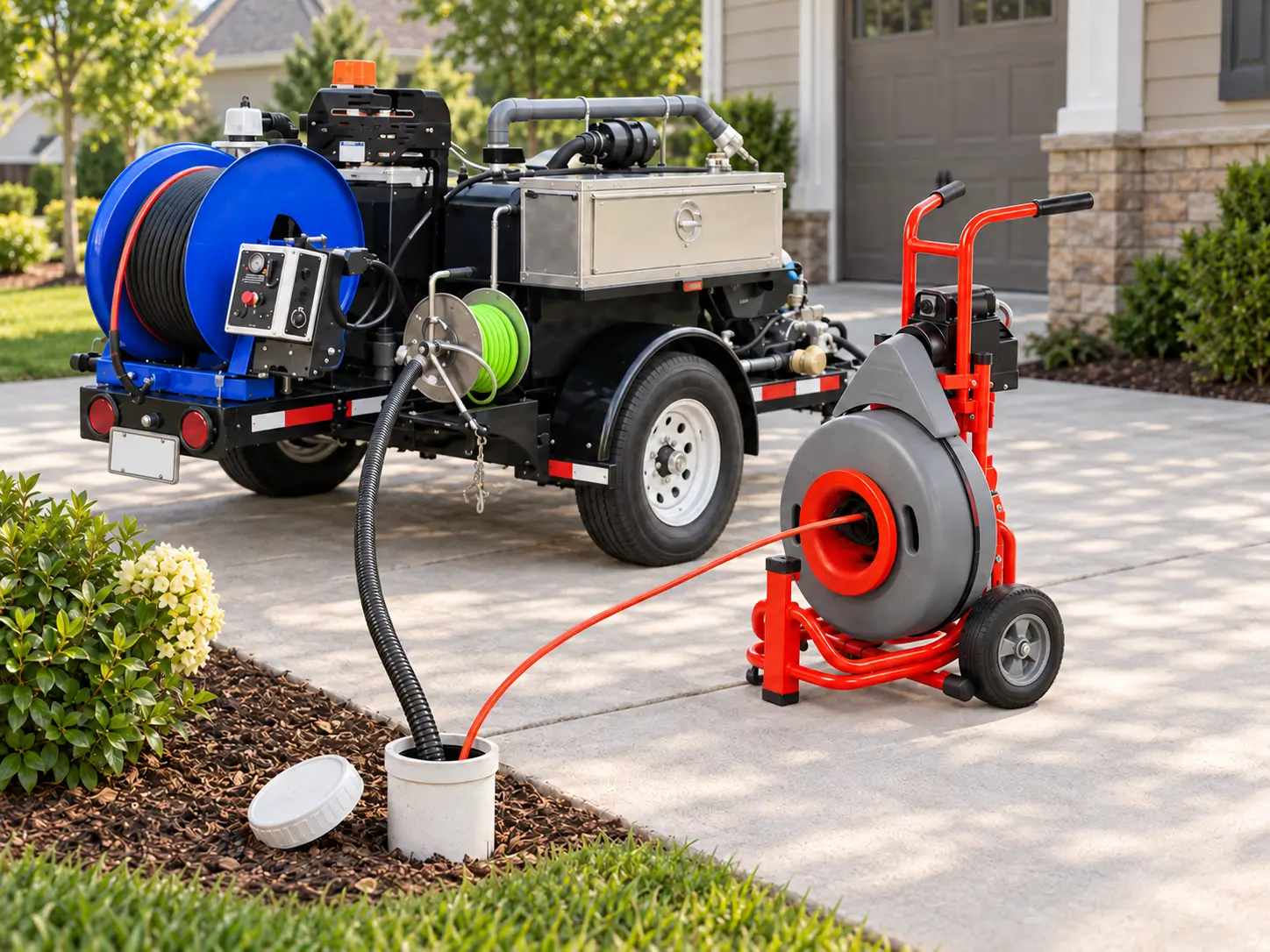
Sewer Cleaning & Camera Inspection
Combine cleaning with visual documentation of the line. See what was observed and whether cleaning changed the conditions visible by camera.
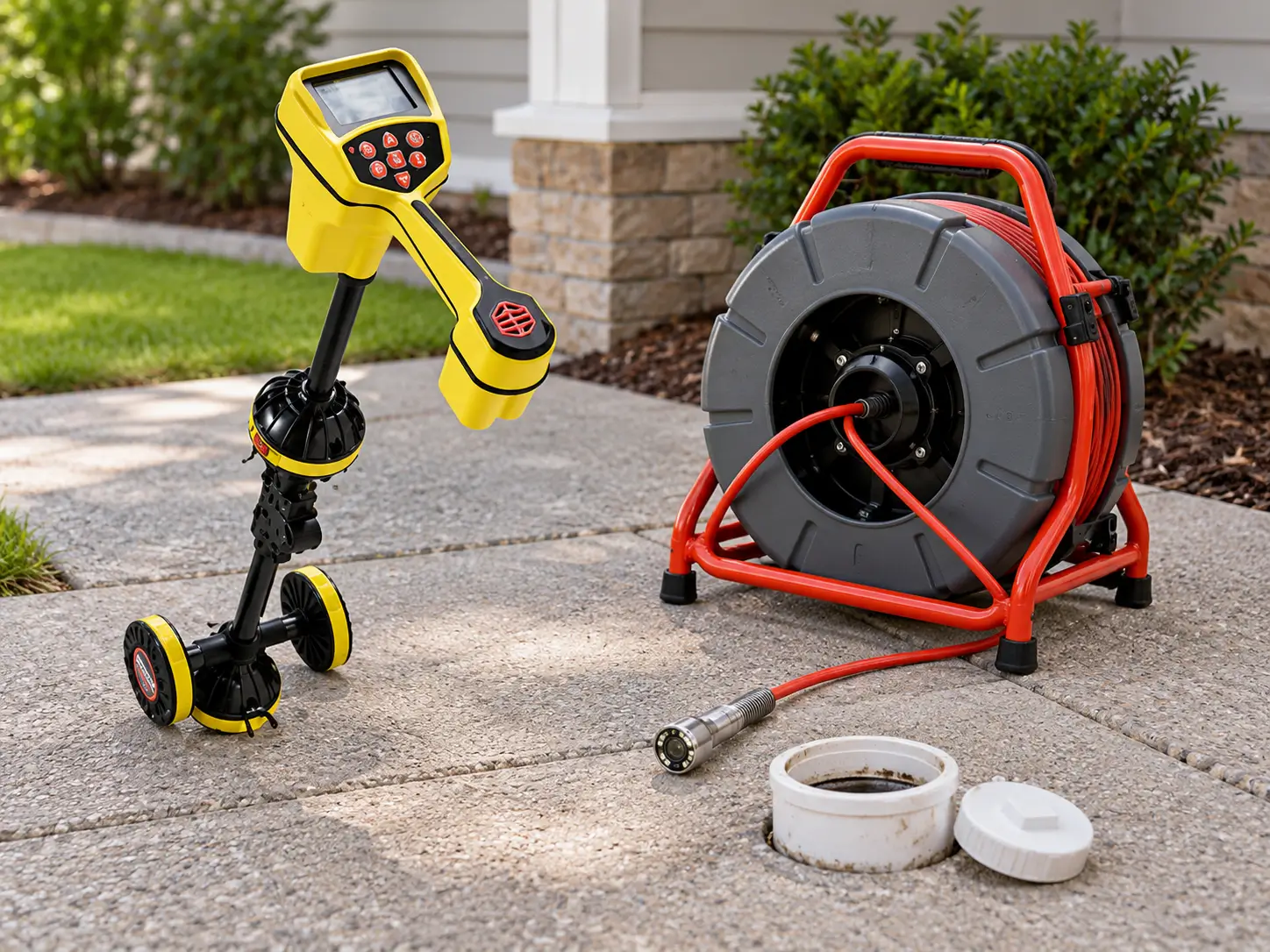
Sewer Line Locating
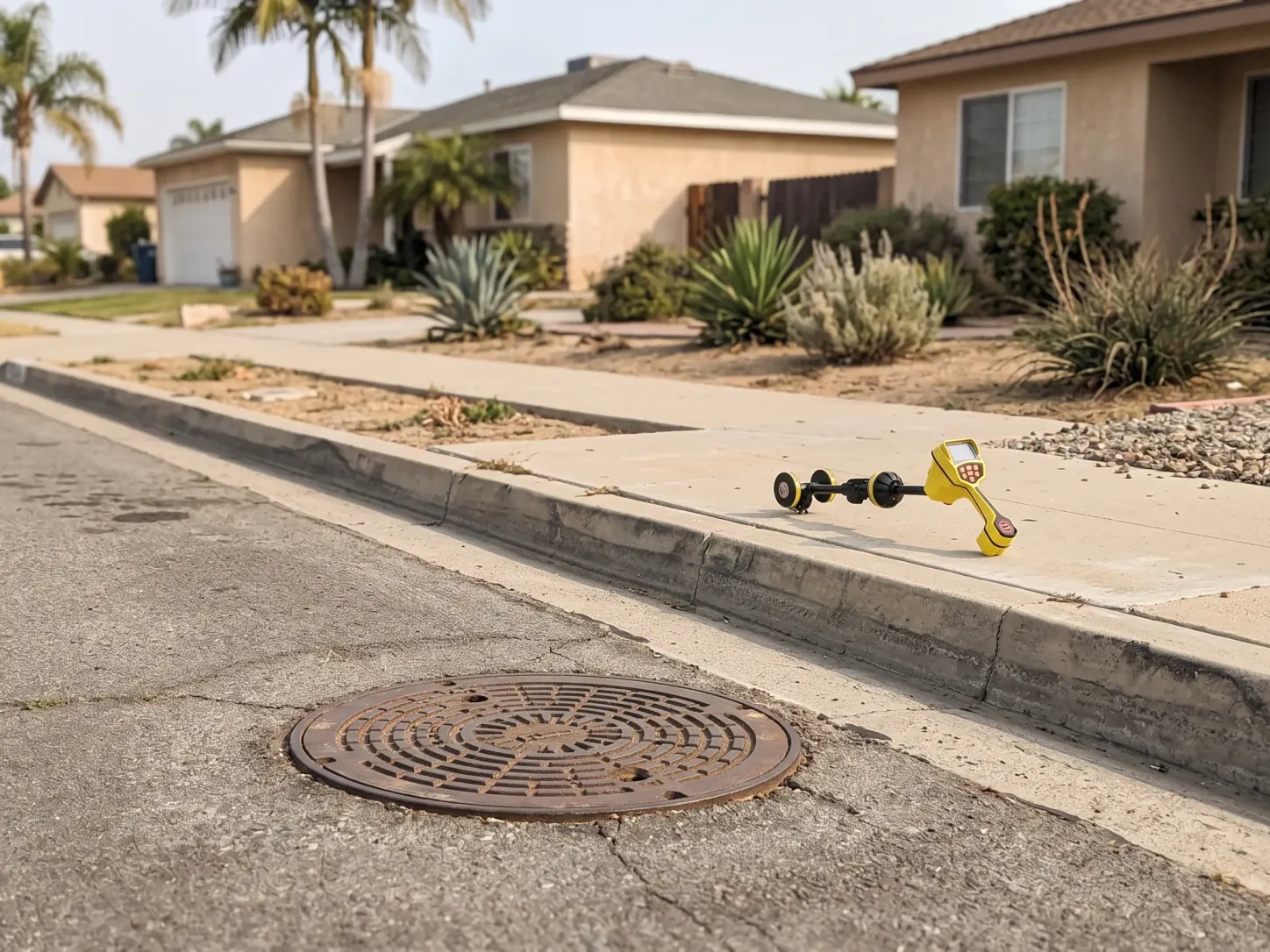
Help identify the route of an accessible sewer line and locate a specific area when conditions allow. Useful when planning further evaluation or work.
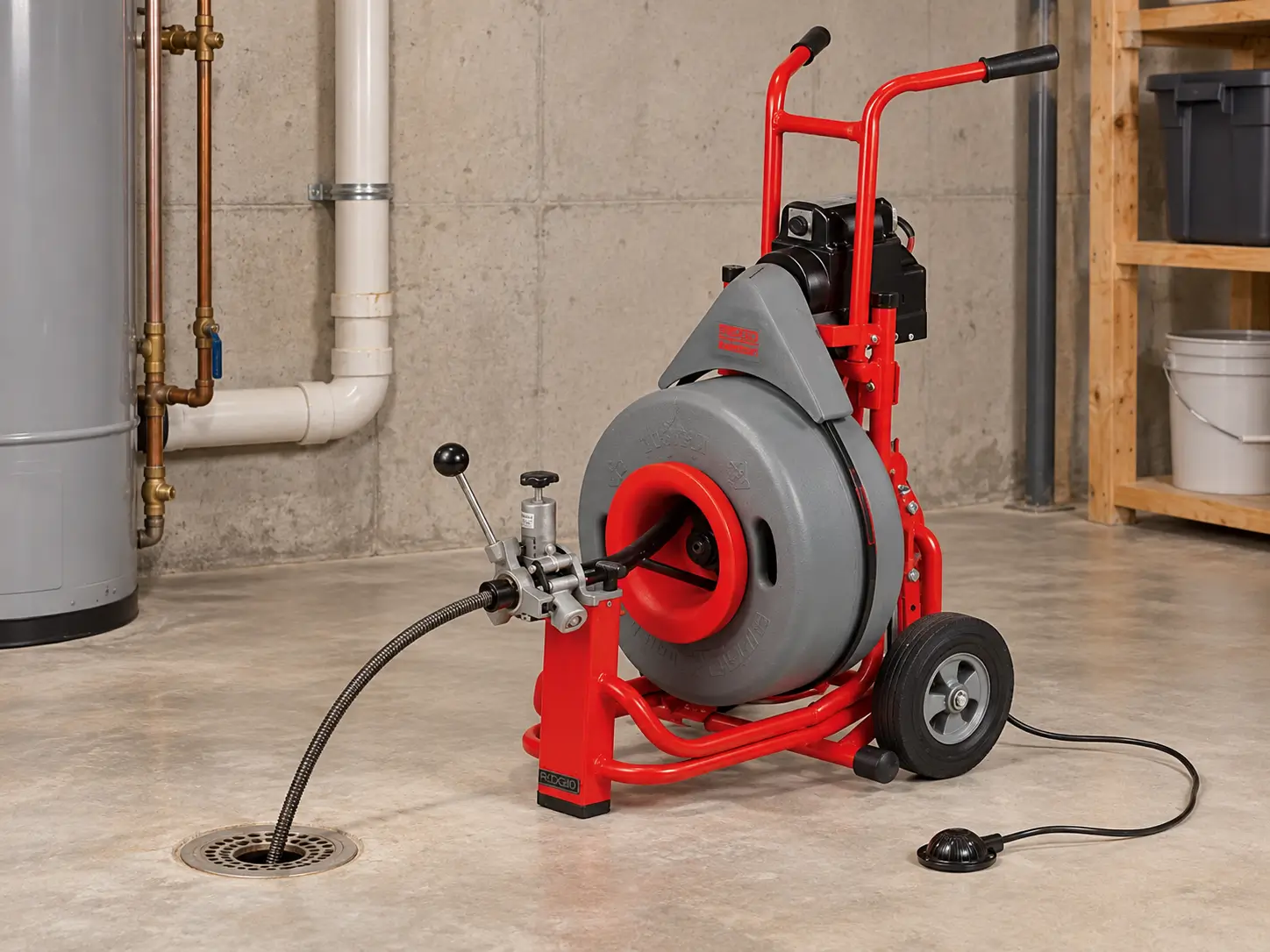
Drain Cleaning
Address buildup or blockages in drains serving sinks, tubs, and other fixtures. The service focuses on the affected drain and the reported symptoms.
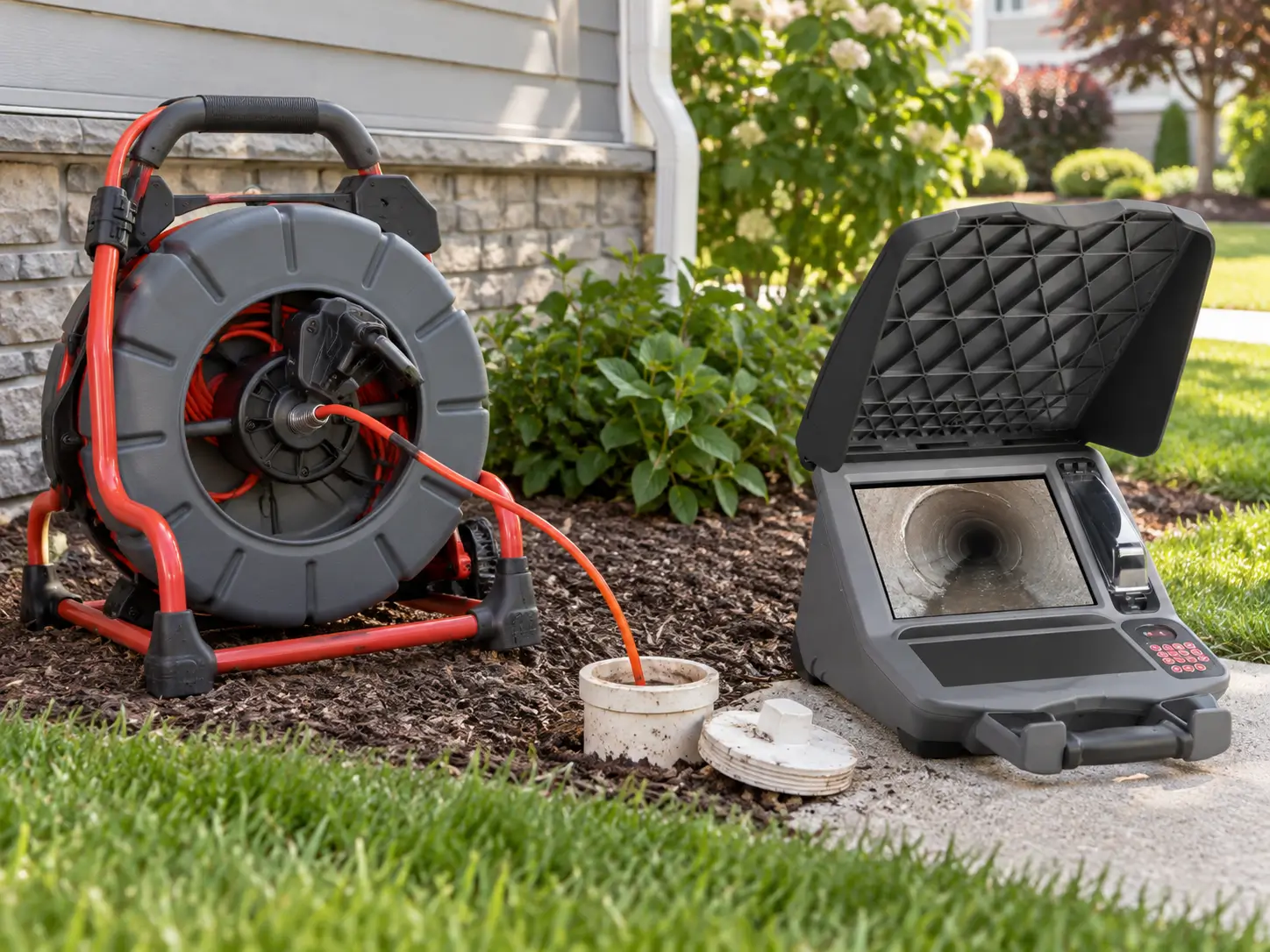
Pre-Purchase Sewer Inspection
Get a visual assessment of accessible portions of the sewer line before buying a property. The findings can help inform your due diligence.
Recurring Sewer Backup Diagnosis
Investigate recurring backups and document conditions observed during the inspection. Findings can help clarify what may be contributing to the problem.
Preventative Sewer Maintenance
Arrange sewer inspection or cleaning based on the line’s condition and service needs. Recommendations should be guided by observed evidence.
How we work
The inspection is the product
Finding out what is happening in the line is the job, not a step toward selling a repair.
You see the evidence
Conditions found in the line are documented so you can look at them yourself.
Sewer and drain specialists
Sewer inspection, diagnostics, locating, and cleaning, rather than general plumbing.
The next step stays your decision
If the line needs work beyond cleaning, you decide what to do about it and who does it.
Other San Diego area locations
Featured service locations
San Marcos, CA
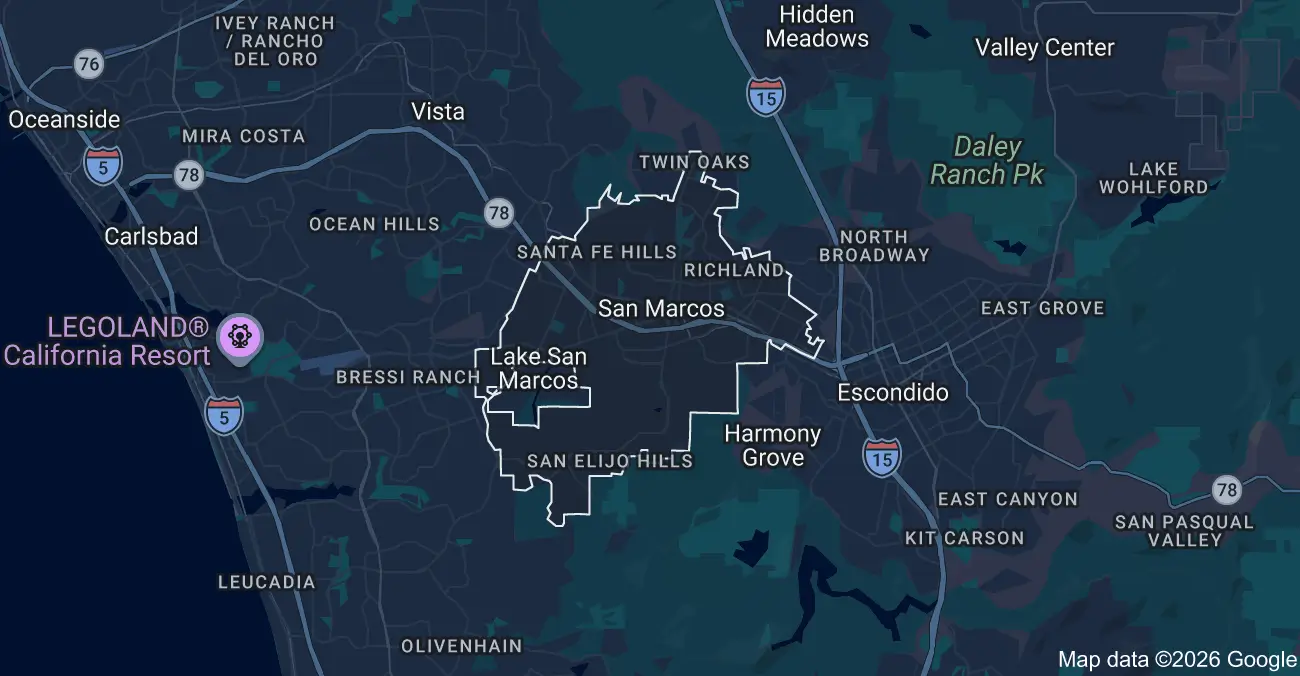
Explore sewer inspection and cleaning services for homes, buyers, and property managers in San Marcos.
Explore San Marcos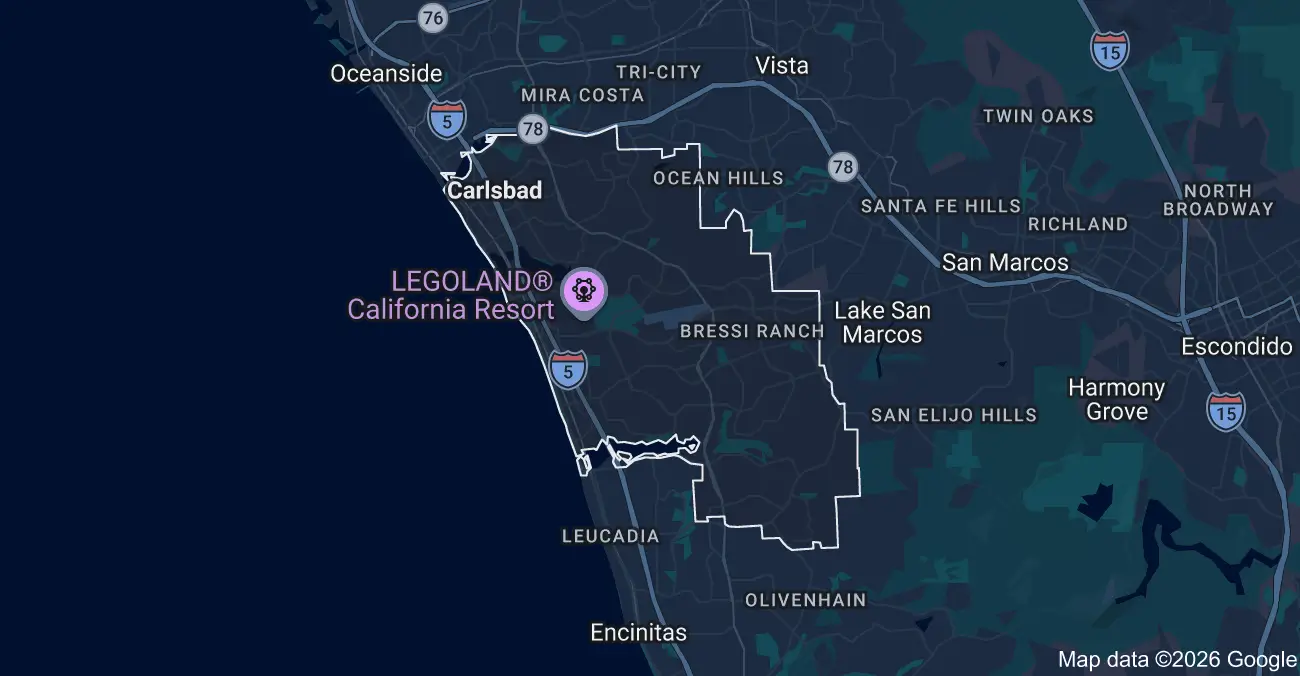
Carlsbad, CA
Find evidence-first sewer camera inspection, cleaning, and diagnostic services for properties in Carlsbad.
Explore Carlsbad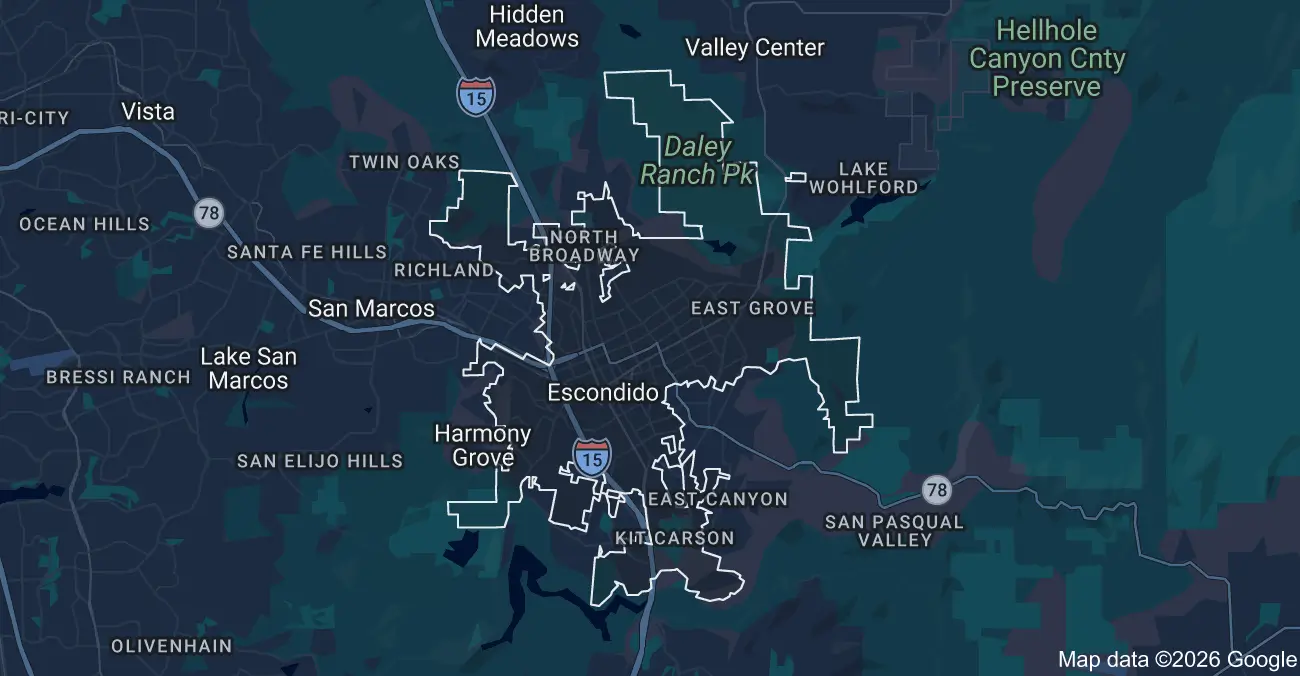
Escondido, CA
Review sewer inspection, cleaning, hydro jetting, and locating services available for properties in Escondido.
Explore Escondido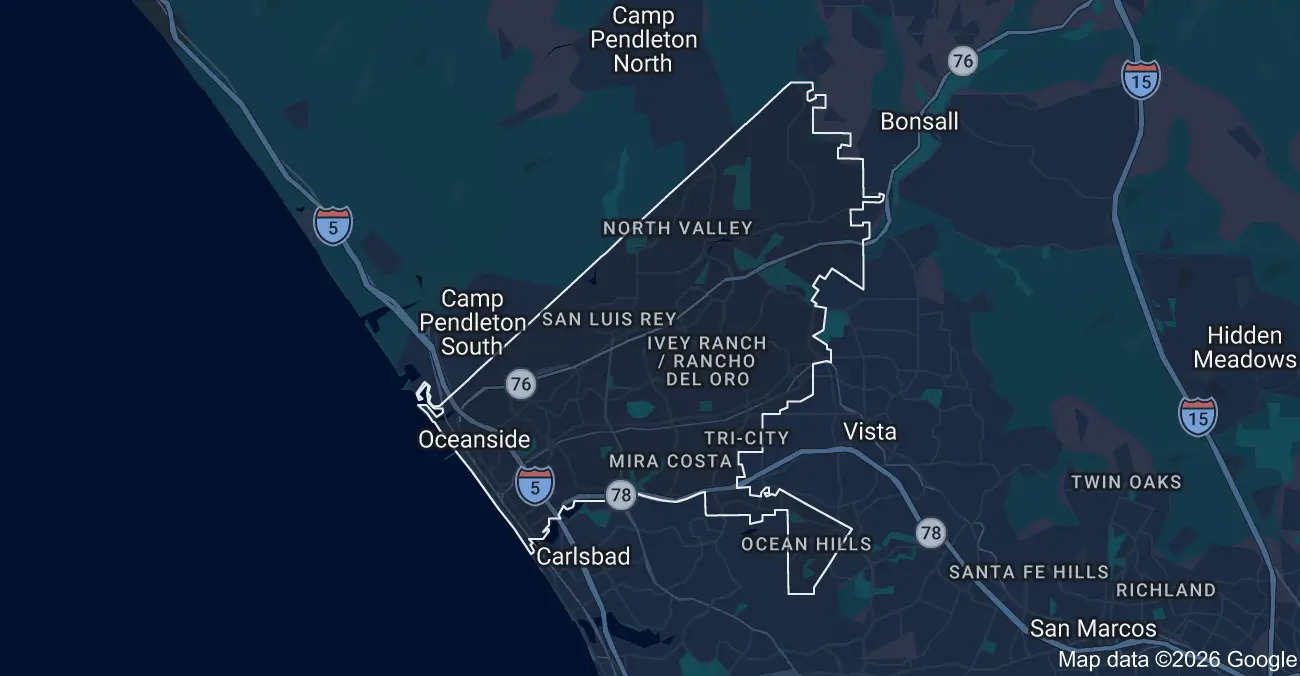
Oceanside, CA
Explore sewer camera inspection and cleaning services for residential properties in Oceanside.
Explore Oceanside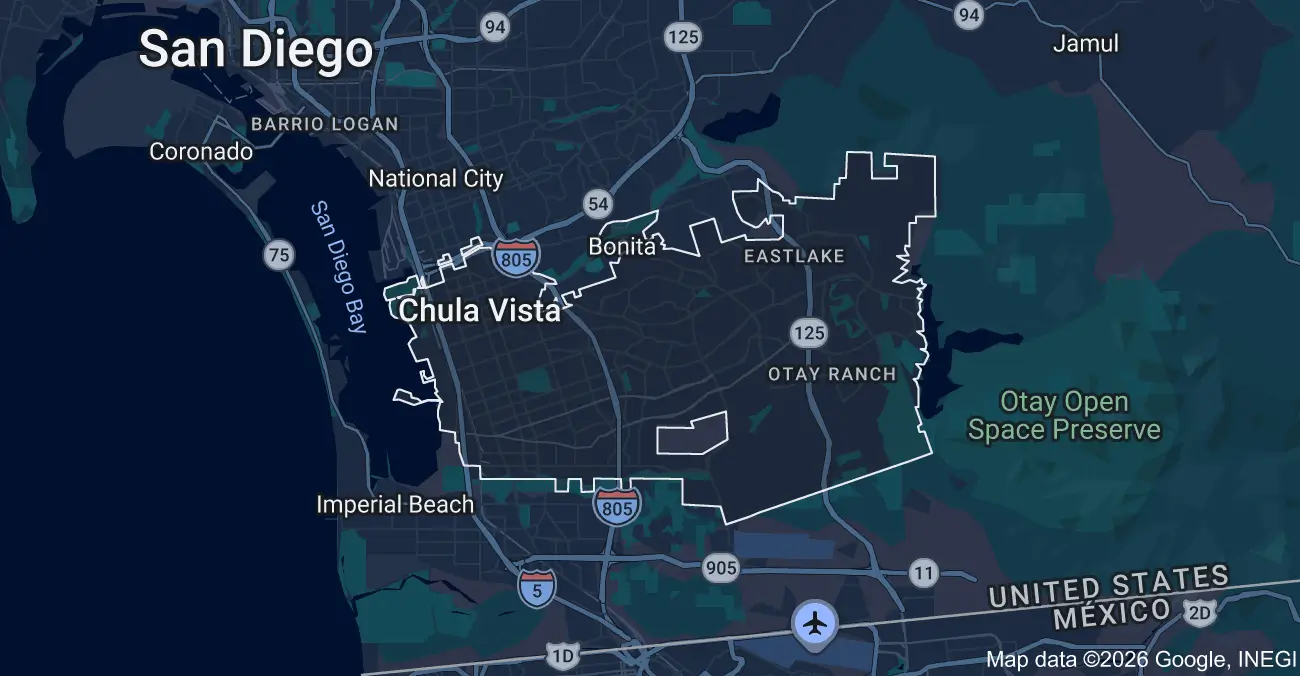
Chula Vista, CA
Find sewer inspection, diagnostic, locating, and cleaning services available for properties in Chula Vista.
Explore Chula Vista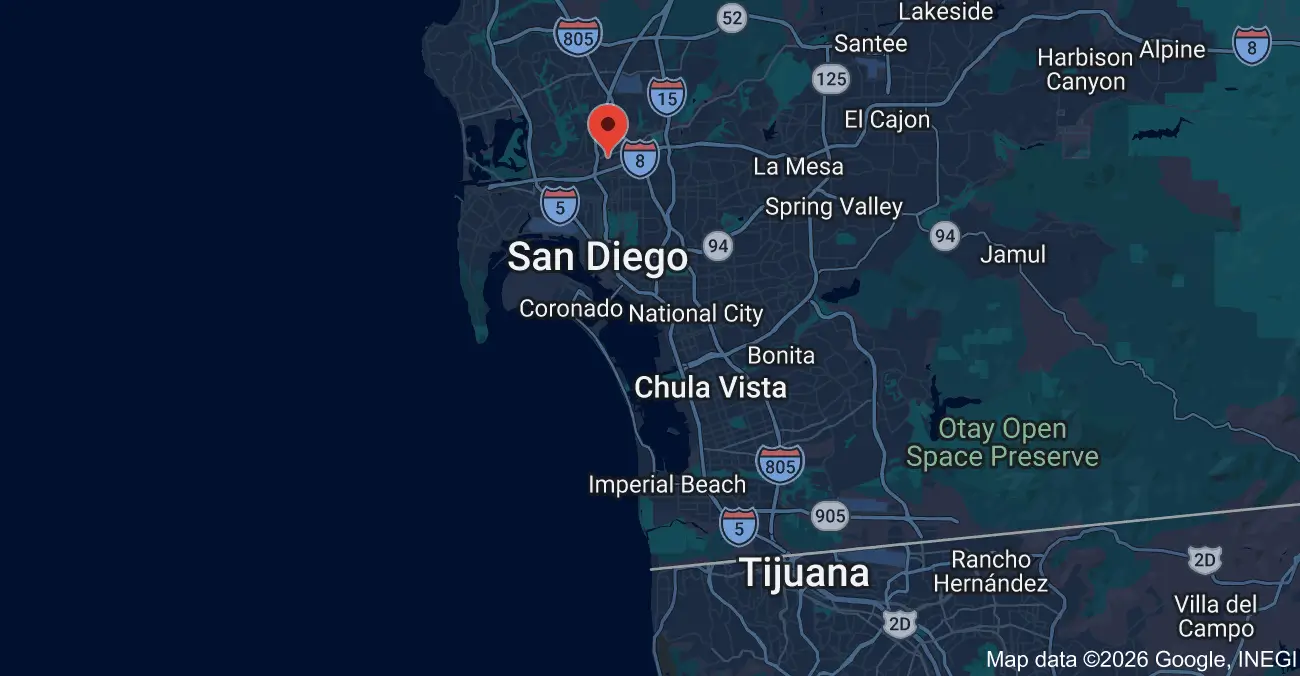
Mission Valley, San Diego
Explore sewer inspection and cleaning services for homes and multifamily buildings in Mission Valley.
Explore Mission Valley
Do not see your community listed?
These featured locations do not represent the full limit of our greater San Diego service area. Tell us where the property is located and what is happening with the sewer line, and we will confirm whether service is currently available before you schedule.
What our customers say
4.9 out of 5from 595 Google reviews · as of
Common questions about Sewer Camera Inspection in San Diego
In San Diego
Who is responsible for a sewer lateral in the City of San Diego?
The City says the property owner is responsible for maintaining the sewer lateral from the property all the way to its connection with the City sewer main. That connection can be in the street, past the property line, in an easement or in a canyon, so responsibility should not be assumed to stop at the curb or lot line. Council Policy 400-10 also says the owner is responsible for periodic clearing of roots and other foreign matter from the lateral. Sources: City Public Utilities sewer plumbing page; City maps and records page; City Council Policy 400-10.
What number do I call for a sewer spill or sewer odor in San Diego?
The City asks you to call 619-515-3525 immediately if you see, smell or suspect a sewer spill or bad sewer odor, or if a sewer manhole looks vandalized. The number belongs to the City Public Utilities Department. The City’s pages we reviewed do not label it as a 24-hour line, so we do not either. Sources: City Public Utilities customer support page; City sewer spill reduction page.
What happens if a plumber finds a break or collapse beyond the property line?
The City directs a licensed plumber who finds a break or collapse beyond the property line to call the Sewer Emergency Line at 619-515-3525 and file a Plumber’s Report. The City says it will investigate within 24 hours. We did not find a current City statement of who pays for repairs beyond the property line, so confirm that with Public Utilities. Source: City Public Utilities sewer plumbing page.
Does the City of San Diego offer help with homeowner lateral costs?
We did not find an active City program that gives homeowners a grant, reimbursement or other help with lateral costs on the City pages we reviewed. The City does say its program for City crews to install sewer laterals is currently suspended, and it points applicants to a public-improvement permit and a Class A licensed contractor. Confirm current terms with Public Utilities. Sources: City Public Utilities sewer construction page; City sewer plumbing page.
Is a permit required for sewer lateral work, and who can do the work?
A Right-of-Way Permit is required for work in the public right-of-way or a water or sewer easement, with an inspection after trenching and before connection and a final inspection afterward. The City says sewer lateral connections can be made by a licensed contractor. The Municipal Code says a person may not construct or alter a public sewer, lateral sewer or house connection that discharges to City public sewers without City approval of the plans. We did not find a City page on whether work entirely on private property needs a permit, so ask Development Services. Sources: City Information Bulletin 166; City sewer construction page; City Municipal Code, Chapter 6, Article 4.
Should I check the sewer lateral before buying a San Diego home?
The City says that in addition to a home inspection, it is a good idea for a prospective buyer to get a licensed-plumber report on the condition of the home’s lateral connection. That is City guidance, not a mandatory inspection, and we did not find a City point-of-sale sewer-lateral rule in the materials we reviewed. A camera inspection records the visible condition of the line before you close. Source: City Public Utilities sewer plumbing page.
Can the City tell me where my lateral connects to the main?
The City says Development Services can help identify where a property’s sewer lateral connects and offers a review of sewer maps and records. Call 619-446-5300 for a records appointment, or 619-446-5200 to request copies of as-built plans. The City also says it does not have diagrams showing where private sewer lines run on the property, so a locating service or inspection fills that gap. Sources: City Public Utilities sewer plumbing page; City maps and records page.
What is an EMRA for a San Diego sewer lateral?
An EMRA is an Encroachment Maintenance Removal Agreement. The City requires one for certain nonstandard laterals, including laterals that connect in a sewer easement and other configurations involving alignment, slope, depth, trees, driveway clearance or cleanout placement. It is a City design and permit requirement, not a finding about any one property. Source: City Development Services Information Bulletin 166 (March 2026).
Do you repair or replace sewer lines?
No. We inspect, locate, diagnose and clean. That independence is the point: our recommendations are not built around selling a repair.
How it works
What is a sewer camera inspection?
How does a sewer camera inspection work?
Where does the camera go in?
Can a sewer camera find a clog?
Should the line be cleaned before the camera goes in?
What it can and can’t show
What can a sewer camera inspection show?
What can’t a sewer camera inspection show?
Can a sewer camera tell how deep the pipe is?
No. A camera shows what is inside the pipe, not how deep it sits or where it runs in your yard. It also does not measure pipe slope. Sewer line locating can estimate a position from the surface, and a locate is an estimate, not a survey.
Can a sewer camera see tree roots?
Can a sewer camera see a leak?
Will the camera show a belly or sag in my line?
What does standing water in the line mean?
Why might the camera not reach the whole line?
Is it right for my situation?
Do I need a camera inspection if my drains are slow or gurgling?
Should I get a sewer scope before buying a house?
How often should I have a sewer camera inspection?
Why shouldn’t "flushable" wipes go in the toilet?
Records, locating, and next steps
Will I get the video and written findings?
Can you mark where a point is in my yard?
What should I keep after the inspection?
What should I do if the inspection finds a problem?
Scope and service areas
How much does it cost, and how long does it take?
Sources
- City of San Diego Public Utilities: Sewer plumbing and lateral responsibility (undated)
- City of San Diego Public Utilities: Customer support (undated)
- City of San Diego Public Utilities: Sewer spill reduction (undated)
- City of San Diego Public Utilities: Sewer construction and development (undated; states the crew lateral-installation program is currently suspended)
- City of San Diego: Maps and records (undated)
- City of San Diego Development Services: Information Bulletin 166 (March 2026)
- City of San Diego: Council Policy 400-10 (undated)
- City of San Diego Municipal Code, Chapter 6, Article 4, Division 4 (undated)
- City of San Diego Independent Budget Analyst: Public Utilities FY2027-2031 five-year financial outlook review (January 2026)
Last reviewed: October 3, 2026. Official guidance can change, so confirm details with the City for your address.
Schedule an inspection
Request service
Step 1 of 4